Pinacoteca de São Paulo
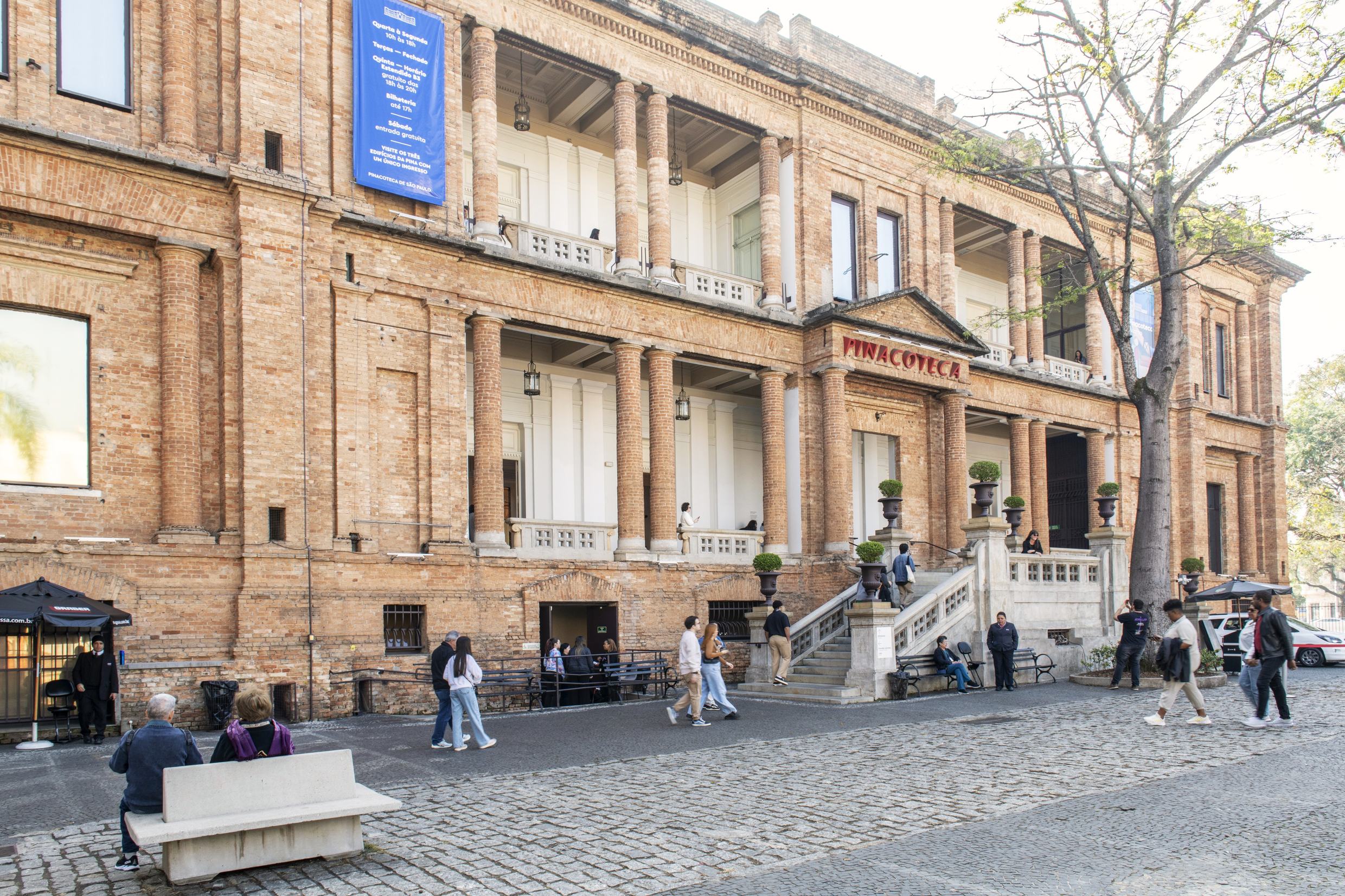
The institution's main areas are: Brazilian Modernism & Contemporary art.
About the Pinacoteca de São Paulo
Founded in 1905, the Pinacoteca de São Paulo has evolved into a dynamic institution where historical and contemporary artistic practices are presented in constant dialogue. Today, the museum continues to expand and rethink its collection by addressing historical gaps and broadening the narratives of Brazilian art through the work of women artists, Afro-Brazilian and Indigenous artists, artists whose practices engage with questions of gender and identity, and artists from regions of Brazil that have long been underrepresented. Pinacoteca´s enduring commitment to the art of its own time has shaped one of Brazil's most significant collections of Brazilian art, comprising approximately 13,000 works from the nineteenth century to the present.
Today, the Pinacoteca is one museum across three buildings—Pina Luz, Pina Estação and Pina Contemporânea—forming a cultural complex that brings together historical heritage, contemporary architecture and public spaces. The museum presents around eighteen exhibitions each year, featuring Brazilian and international artists, alongside long-term collection displays, research, publications, educational initiatives, travelling exhibitions, and an extensive public programme.
Committed to expanding the ways Brazilian art is understood and experienced, the Pinacoteca sees the museum as a space for dialogue, critical reflection and cultural exchange. Through its collections, exhibitions, research, education and international collaborations, it continues to strengthen its role as one of Latin America's leading art museums and an active participant in the global museum community.
Connect with the Director, Curatorial, and Collection staff by browsing CIMAM’s Membership Directory in the Members Only section.
Useful links:
We aim to contribute to a more plural understanding of art and its role in society
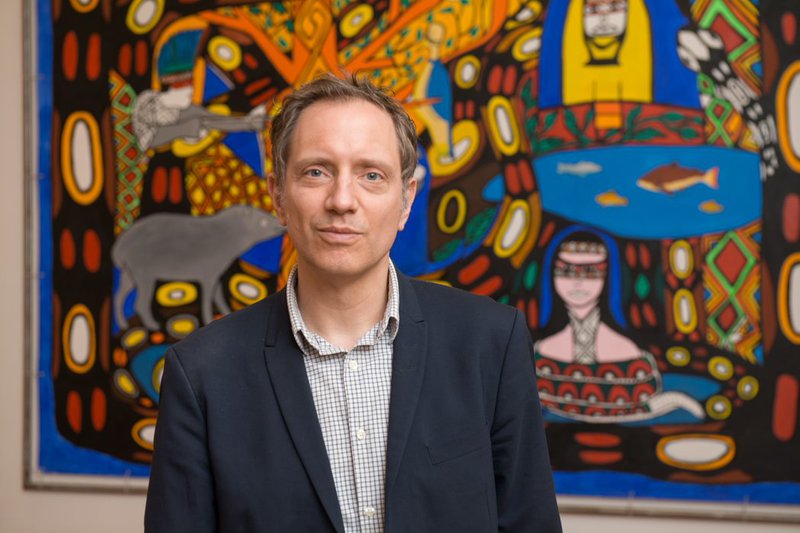
Interview with Jochen Volz, Director of Pinacoteca de São Paulo
Can you provide a brief description of the mission and vision of the Pinacoteca de São Paulo?
The Pinacoteca de São Paulo is committed to preserving, researching, and presenting Brazilian art in dialogue with the cultures of the world. As a public museum, we seek to create meaningful encounters between art and society by fostering critical thinking, multiple perspectives, and broad access to culture.
Our vision is to be an inclusive, dynamic, and internationally connected institution, where historical and contemporary artistic practices engage in dialogue and where diverse audiences can reflect on the complexities of our past, present and future. Through exhibitions, research, education and public programmes, we aim to contribute to a more plural understanding of art and its role in society.
What makes your museum's collection unique, and how does it contribute to the cultural landscape?
The Pinacoteca holds the most significant collection of Brazilian art, spanning from the nineteenth century to the present. What makes it unique, however, is that since its founding in 1905 the museum has consistently collected the art of its own time. In this sense, the Pinacoteca has been engaging with contemporary artistic production for more than 120 years, creating an extraordinary continuity between historical and living practices.
In recent years, we have also worked to broaden and rethink the collection by addressing historical gaps and expanding its narratives. This has included strengthening the representation of women artists, Afro-Brazilian and Indigenous artists, as well as artists from regions of Brazil that have traditionally been underrepresented in institutional collections.
As a result, the collection is not only a record of Brazilian art history but also a living resource that reflects the country's cultural diversity and ongoing social transformations. It enables us to present Brazilian art as a dynamic and evolving field, while fostering dialogue with global artistic and cultural contexts.
How does your museum participate in educational initiatives, and what programs does it offer to enhance the public's understanding of art?
Education has been at the core of the Pinacoteca's mission since 1911 and remains one of the museum's defining commitments. We understand education not as a complementary activity, but as an essential way of connecting people with art, encouraging critical thinking, dialogue, and multiple forms of learning.
Over the years, the museum has developed a broad range of educational initiatives for diverse audiences. These include programmes for schools and teachers, accessibility initiatives for people with disabilities, activities for families, young people and older adults, community partnerships, professional training, and public programmes that foster dialogue around exhibitions and the collection.
Our educational work is grounded in the belief that museums are spaces for exchange rather than one-way transmission of knowledge. By creating opportunities for participation, conversation, and shared interpretation, we seek to make art more accessible while recognising the diverse experiences and perspectives that every visitor brings to the museum.
Could you share information about any ongoing research initiatives or collaborations that your museum is currently involved in?
Research at the Pinacoteca is closely connected to our commitment to rethinking the narratives that museums produce and share. Rather than treating the collection as a fixed historical record, we see it as an evolving field of inquiry that benefits from multiple perspectives and forms of knowledge.
One important example is our ongoing work on the interpretation of works related to Indigenous art and cultures. Instead of relying exclusively on traditional art historical approaches, the museum has been developing this research in collaboration with Indigenous artists, researchers, and knowledge holders. This process has informed the revision of collection texts and interpretative materials, allowing different voices and perspectives to shape how these works are presented to the public.
More broadly, the Pinacoteca understands research as a collaborative practice that connects curatorial work, conservation, education, and public engagement. Through partnerships with scholars, artists, cultural practitioners, and communities, we seek to produce knowledge that is both academically rigorous and socially relevant.
How does your institution prioritize sustainability in its operations and practices?
At the Pinacoteca, sustainability is understood as a long-term institutional commitment that encompasses environmental responsibility, social inclusion, and the preservation of cultural heritage. Rather than treating sustainability as a separate area of work, we seek to integrate it into the museum's everyday operations and decision-making.
In recent years, we have strengthened initiatives to reduce the environmental impact of our activities, improve the efficiency of our buildings, and incorporate more sustainable practices into exhibition design, facilities management, and resource use. At the same time, we understand that sustainability also depends on creating lasting relationships with our communities through education, accessibility, and public engagement.
Ultimately, the sustainability of a museum is inseparable from its public role. By caring for our collections, investing in research and education, fostering diverse perspectives, and ensuring that the museum remains relevant to future generations, we seek to contribute to a more sustainable cultural ecosystem.
In what ways does your museum actively engage with and contribute to the local community through its programs?
Community engagement is central to the Pinacoteca's role as a public museum. Alongside its exhibitions, the museum offers an extensive public programme that includes talks, performances, workshops, screenings, festivals, and other activities designed to create opportunities for dialogue, participation, and shared learning.
A key aspect of this work is our long-standing collaboration with a wide network of local organisations, NGOs, schools, cultural initiatives, and social institutions, particularly those based in the neighbourhoods surrounding the museum. These partnerships are built on mutual exchange and enable us to develop programmes that respond to the interests, knowledge, and experiences of different communities, while expanding access to art and culture.
Rather than seeing the museum as a destination to be visited, we seek to build lasting relationships with the people and communities around us. We believe that a museum fulfills its public mission when it becomes an active participant in the social and cultural life of its city, learning from its communities as much as it contributes to them.
Can you suggest a song to be included in CIMAM's Spotify playlist?
https://open.spotify.com/track/1W3WAyCanvXJLPNcNvou9c?si=_KK0Q3qwQ2ysP6oDW5sKtQ&utm_source=whatsapp