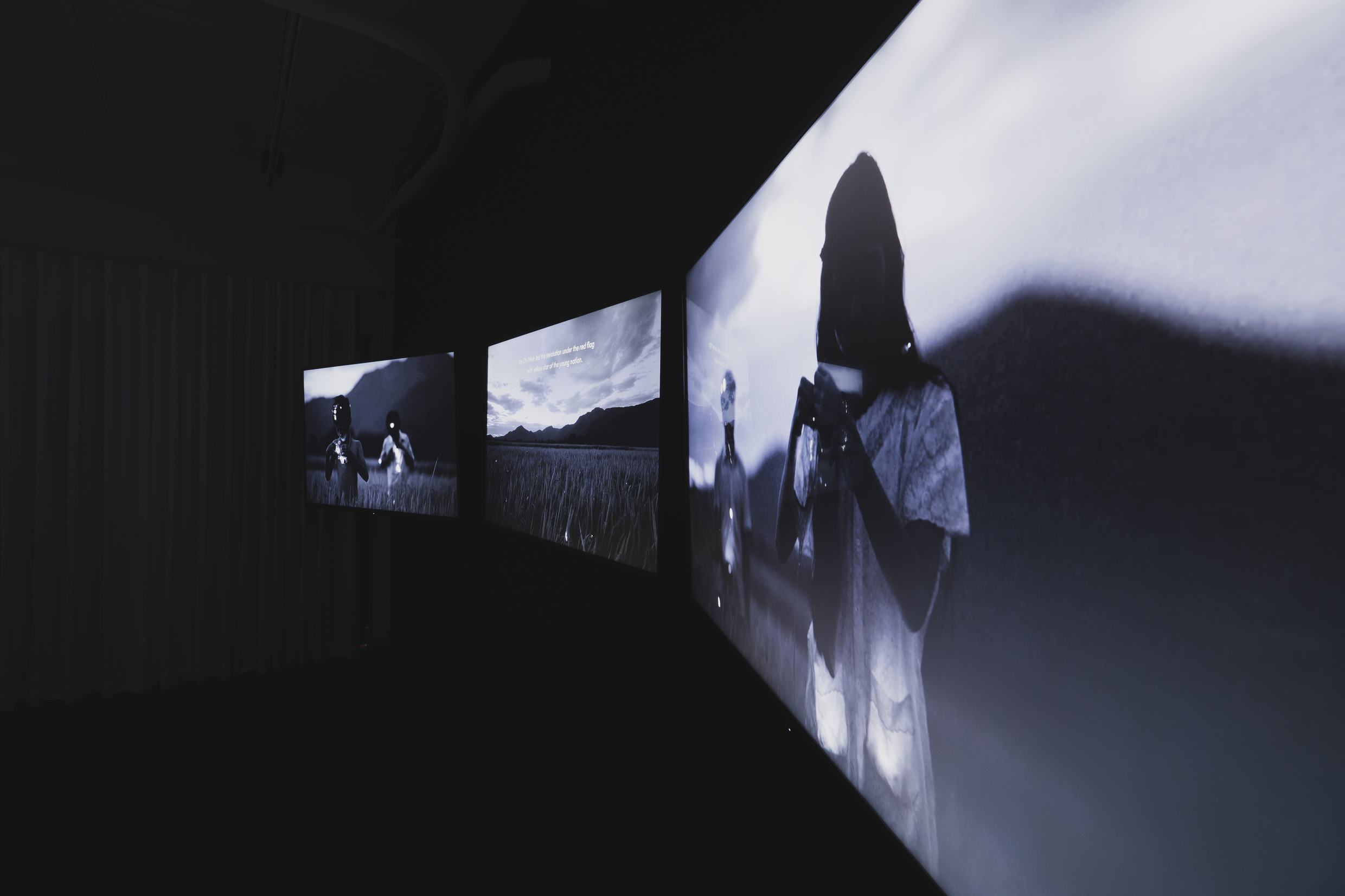
"The question is no longer simply about growth, but about sustainability."
Interview with Bill Nguyen, Director of the Nguyễn Art Foundation in Ho Chi Minh City, Vietnam. Nguyễn Art Foundation became a Patron of CIMAM in 2023.
Eight years after the creation of Nguyễn Art Foundation, how do you see the evolution of Vietnam’s contemporary art scene, and what role has the foundation played within it?
Quynh Nguyen founded Nguyễn Art Foundation (NAF) in 2018 in close dialogue with two figures who profoundly shaped the foundation’s early vision: the late artist Dinh Q. Le, founder of San Art, one of Vietnam’s most important independent art spaces, and Tran Thanh Ha, founder of Mot+++, an experimental artist-led organization.
At the time, Vietnam’s contemporary art scene was experiencing a particularly dynamic and transitional moment. Independent organizations such as San Art, Nha San Collective, Galerie Quynh, and The Factory Contemporary Arts Centre had already spent years building critical infrastructure almost entirely outside state support. Simultaneously, the private business sector was beginning to think beyond the conventional frameworks of market validation and consumption, asking more urgent questions around what it really means to support contemporary and build cultural infrastructure.
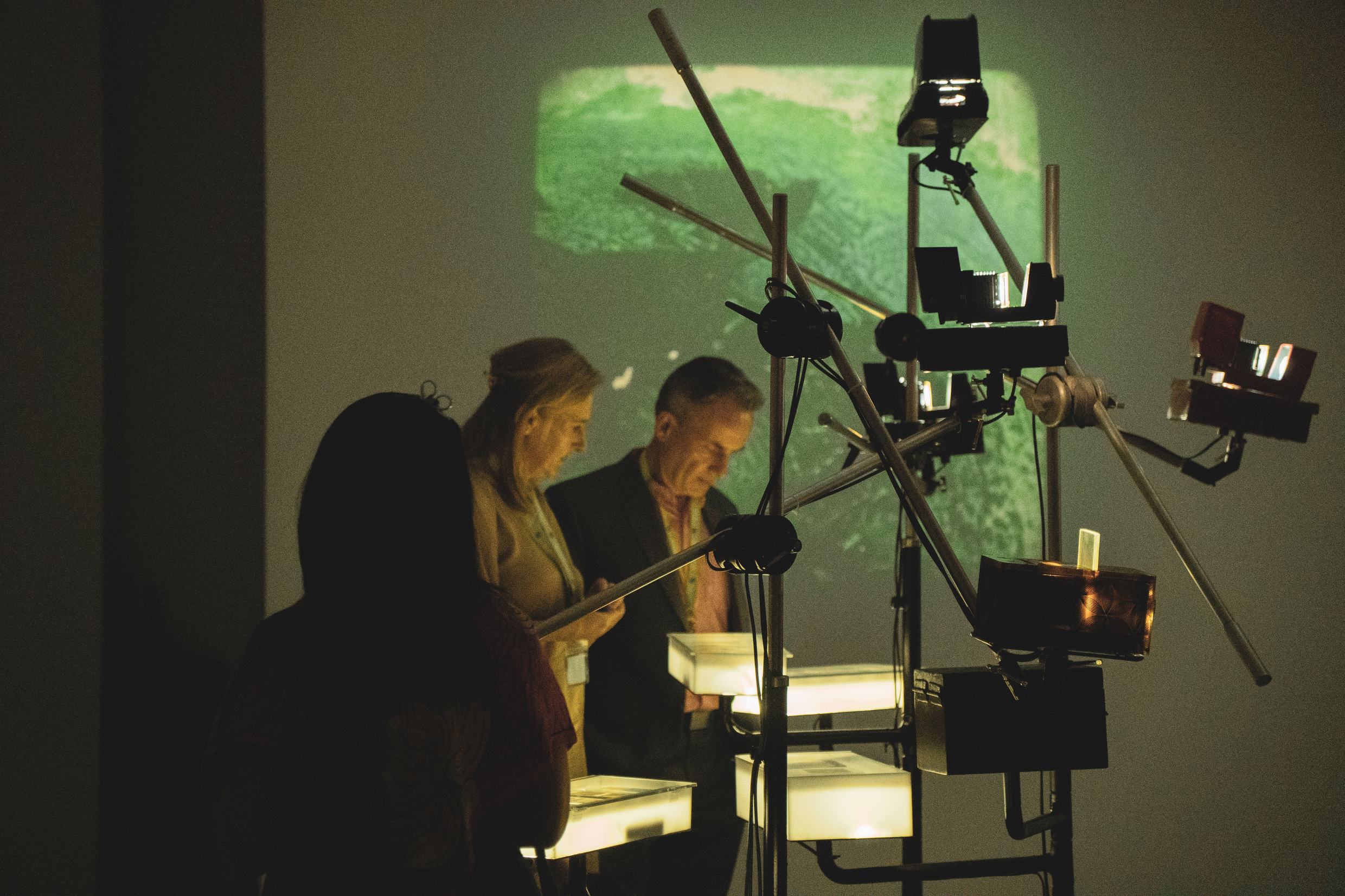
NAF emerged within this fragile but fertile ecosystem, as part of a new generation of organizations committed to supporting and sustaining the development of our local art scene. In the beginning, the mission behind the collection felt both modest and urgent: to preserve artworks and histories that were at genuine risk of disappearing due to limited institutional support, weak archival structures, and the absence of long-term collecting frameworks for contemporary art.
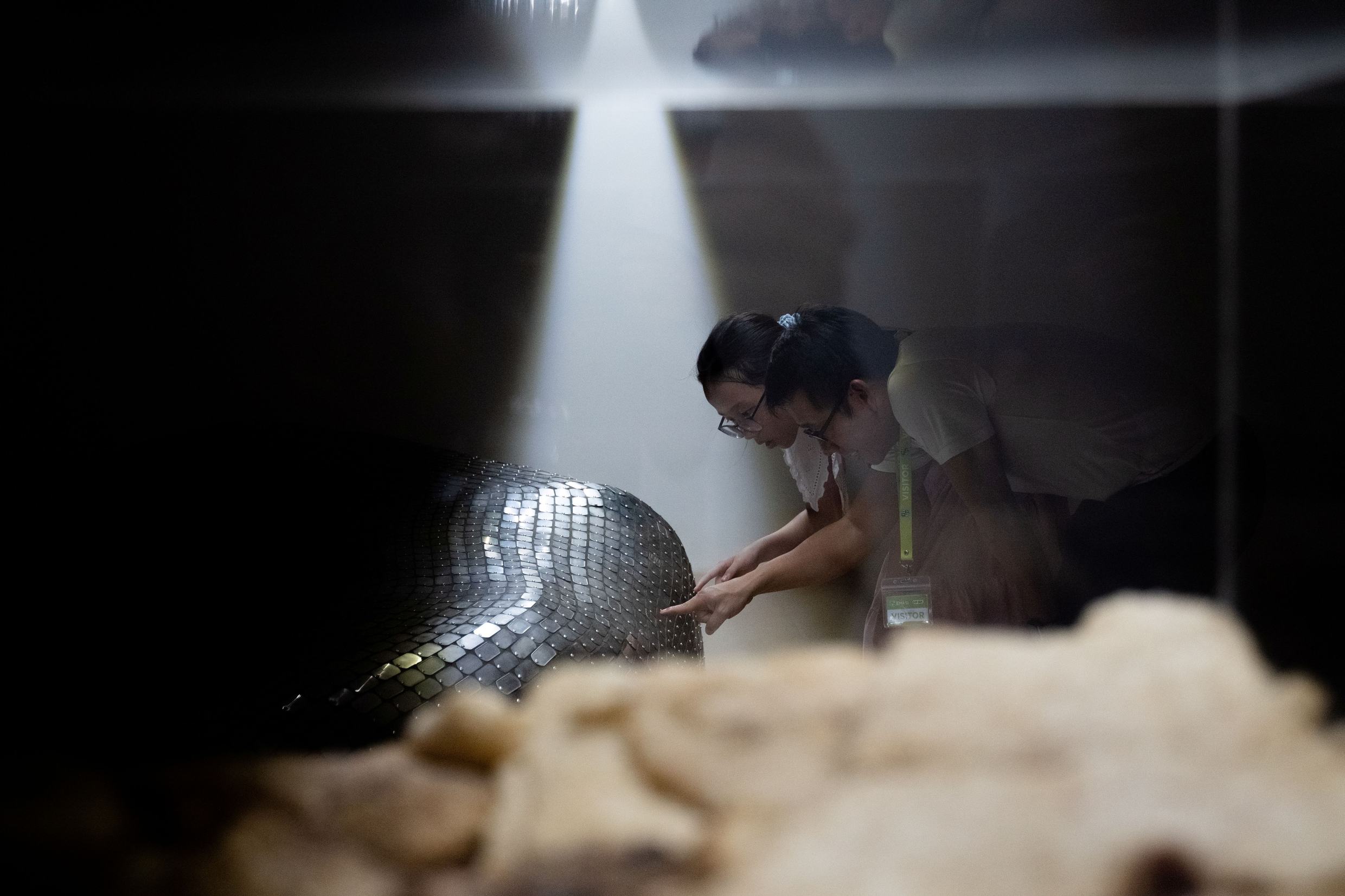
Eight years later, the landscape has undeniably expanded. There are now more collectors, independent initiatives, and international collaborations supporting contemporary art in Vietnam. But the ecosystem also remains deeply precarious. Many organizations continue operating under conditions of exhaustion, financial instability, and infrastructural fragility. So for us, the question is no longer simply about growth, but about sustainability: how to build structures capable of supporting critical artistic practices over time without flattening their complexity or instrumentalizing them.
In this sense, I believe NAF’s role has gradually evolved from simply a collecting body towards participating in the longer collective work of preservation, education, and cultural memory-making, always asking questions and challenging ideas about what cultural stewardship could mean in Vietnam today.
Education is deeply embedded in the foundation’s identity. How has this shaped the way NAF approaches exhibitions and public engagement?
The Nguyen family has always believed that art and culture are not supplementary to education, but fundamental to how people learn to perceive, question, and relate to the world. That conviction has shaped the mission and structure of both the foundation and the family’s educational investments from the beginning.
Today, NAF manages several exhibition spaces in and beyond Saigon, located inside educational environments ranging from pre-school to high school campuses. This immediately transforms the conditions under which contemporary art is encountered, for the art is inevitably a part of and in close dialogue with the students’ everyday spatial and emotional environment.
For us, this creates both opportunities and responsibilities. It forces us to rethink exhibition-making beyond spectacle or short-term engagement. How do you exhibit politically, emotionally, or historically complex works within environments shaped by young audiences? How do you create forms of public engagement rooted in curiosity rather than intimidation? How can exhibitions function as long-term pedagogical experiences rather than temporary consumption? Such questions have fundamentally shaped our institutional approach.
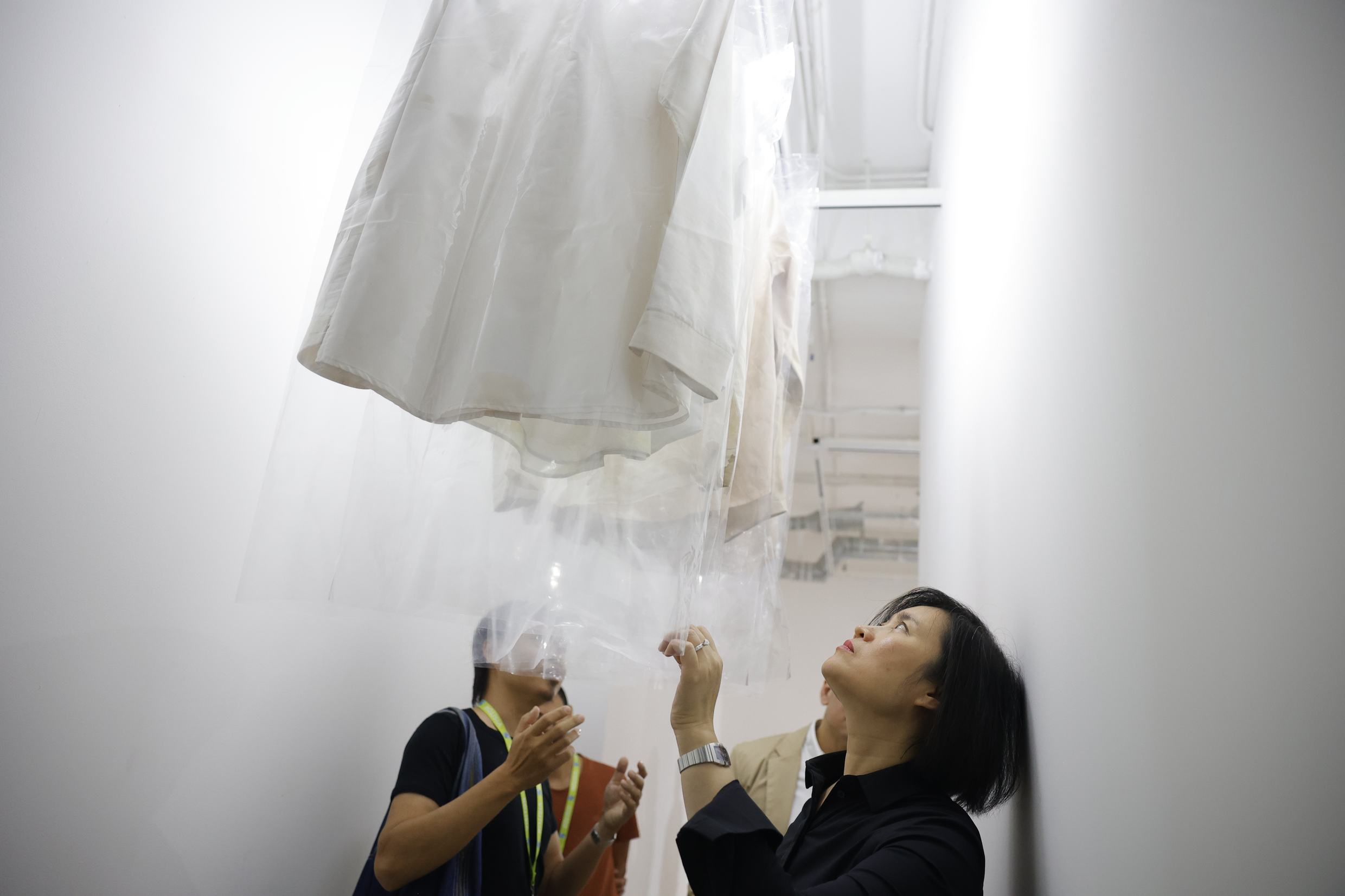
NAF operates as what we often describe a “branching support structure”: a fluid model where the foundation simultaneously functions as collector, producer, educator, mediator, researcher, publisher, and infrastructure-builder. However, at the centre of all this remains education, not in the narrow didactic sense, but as an ongoing commitment to learning, listening, and building cultural literacy collectively.
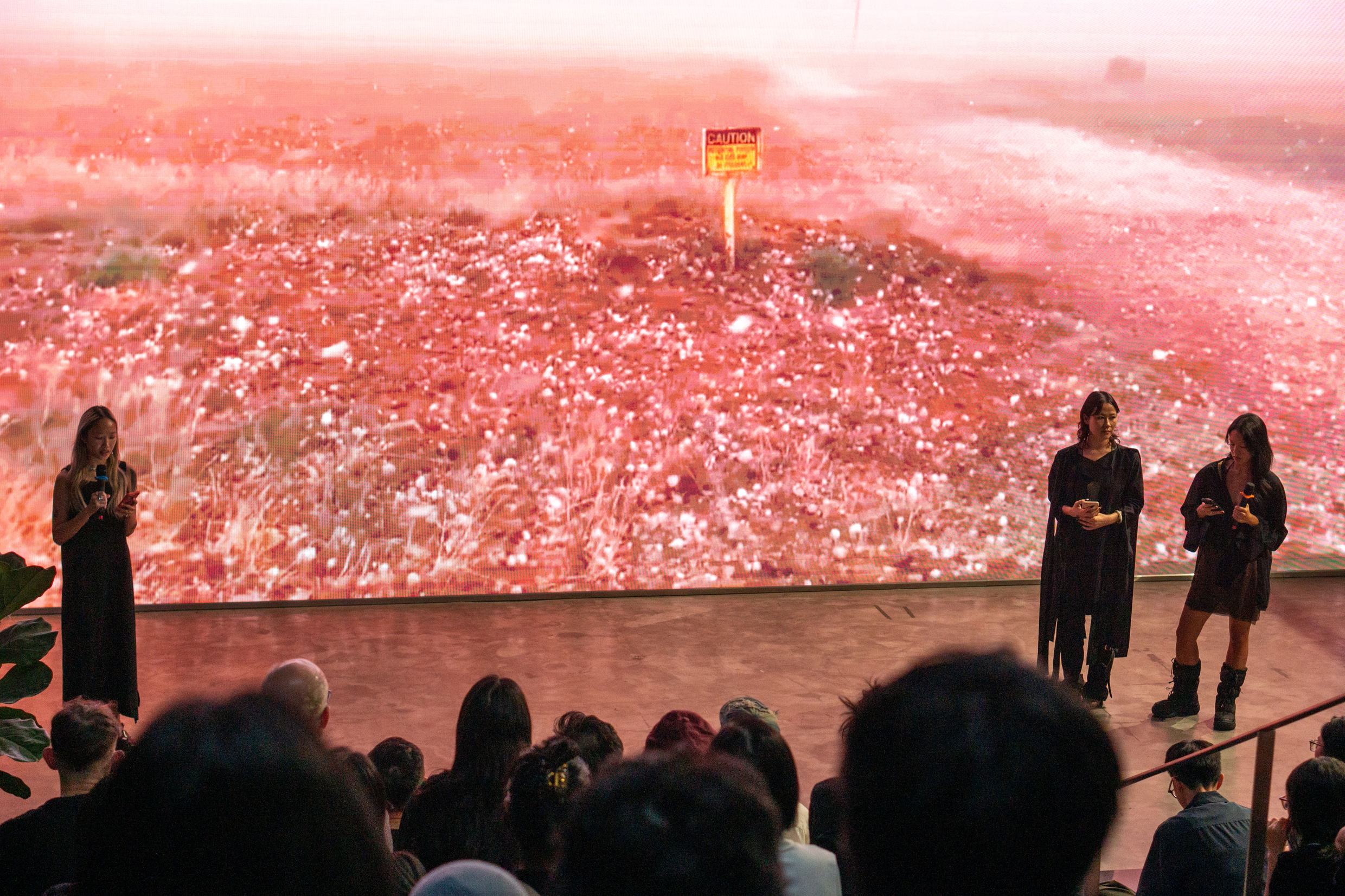
Supporting artists has been central to the foundation’s work. Could you share some of the initiatives NAF has developed for emerging artists and practitioners?
Between 2018 and 2021, together with San Art and Mot+++, we launched and operated the A. Farm residency programme, providing artists from Vietnam and across the region with a space to live, work, and think collectively outside the pressures of immediate production. Intentionally resisting hyper-professionalised residency models, A. Farm instead focused on flexibility and non-hierarchy, operating through shared labour, informal conversations, and evolving forms of mutual support. Over time, the programme expanded through new partnerships and funded opportunities, and by 2025, it has supported more than 70 artists from Vietnam and abroad.
Quynh is also behind another initiative called Đương Đại Việt (Contemporary Vietnam), which brings together collectors through informal gatherings focused on dialogue, reflection, and responsibility. Supporting artists also means supporting the wider ecology around them. And since collecting contemporary art in Vietnam remains relatively young, we felt it was important to cultivate conversations around what it means to collect ethically and critically within a rapidly changing society.
How has the foundation’s approach to collecting evolved over time?
When I joined the foundation in 2022, Quynh and I began reflecting more critically on the kind of collection she wanted to build as a long-term cultural legacy, and equally importantly, on the kind of institution NAF hoped to become.
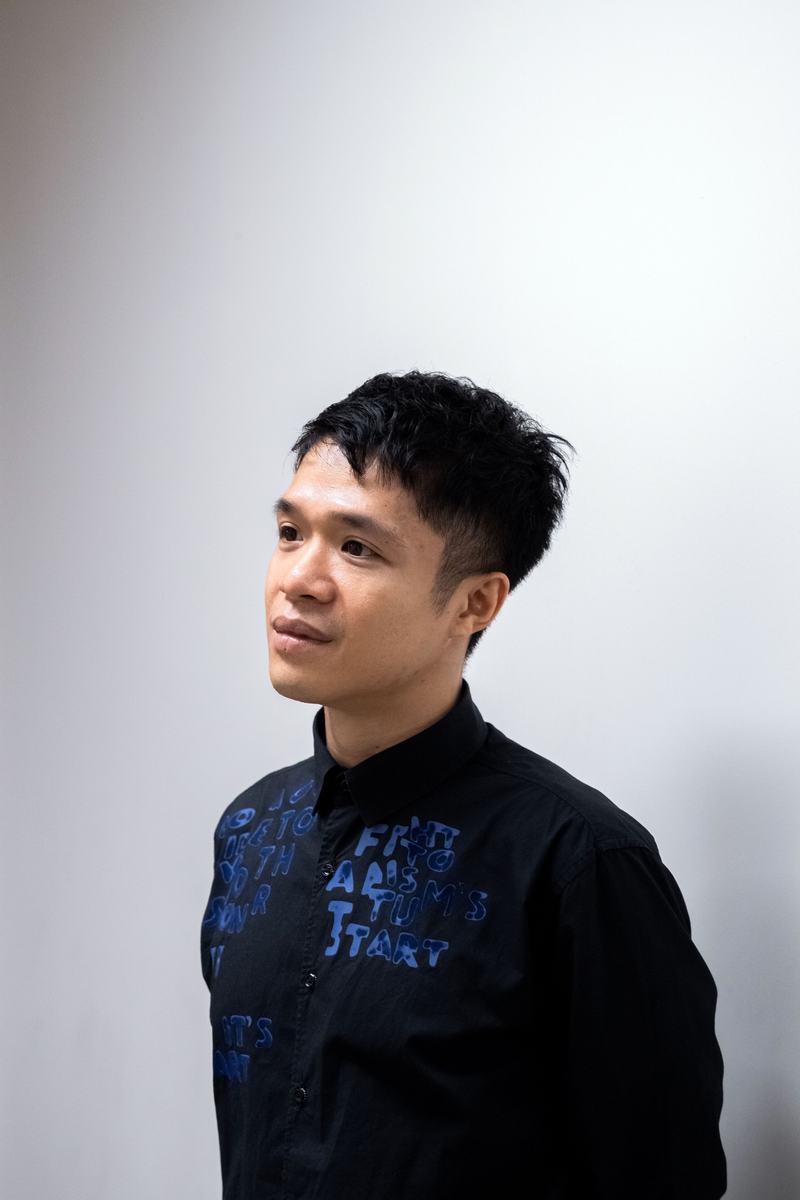
From that point onwards, the collection became less concerned with representation in a broad sense and more interested in urgency, complexity, and historical resonance. We began focusing more consciously on works that engage difficult or unresolved histories of war, displacement, labour, migration, and the psychological consequences of modernization across Vietnam and the wider region.
We also became increasingly drawn to practices that resist easy commodification: performance, conceptual gestures, ephemeral projects, and archival practices. These are often the forms least protected within contexts where institutional support remains fragile, yet they are also among the most important artistic contributions of the last several decades.
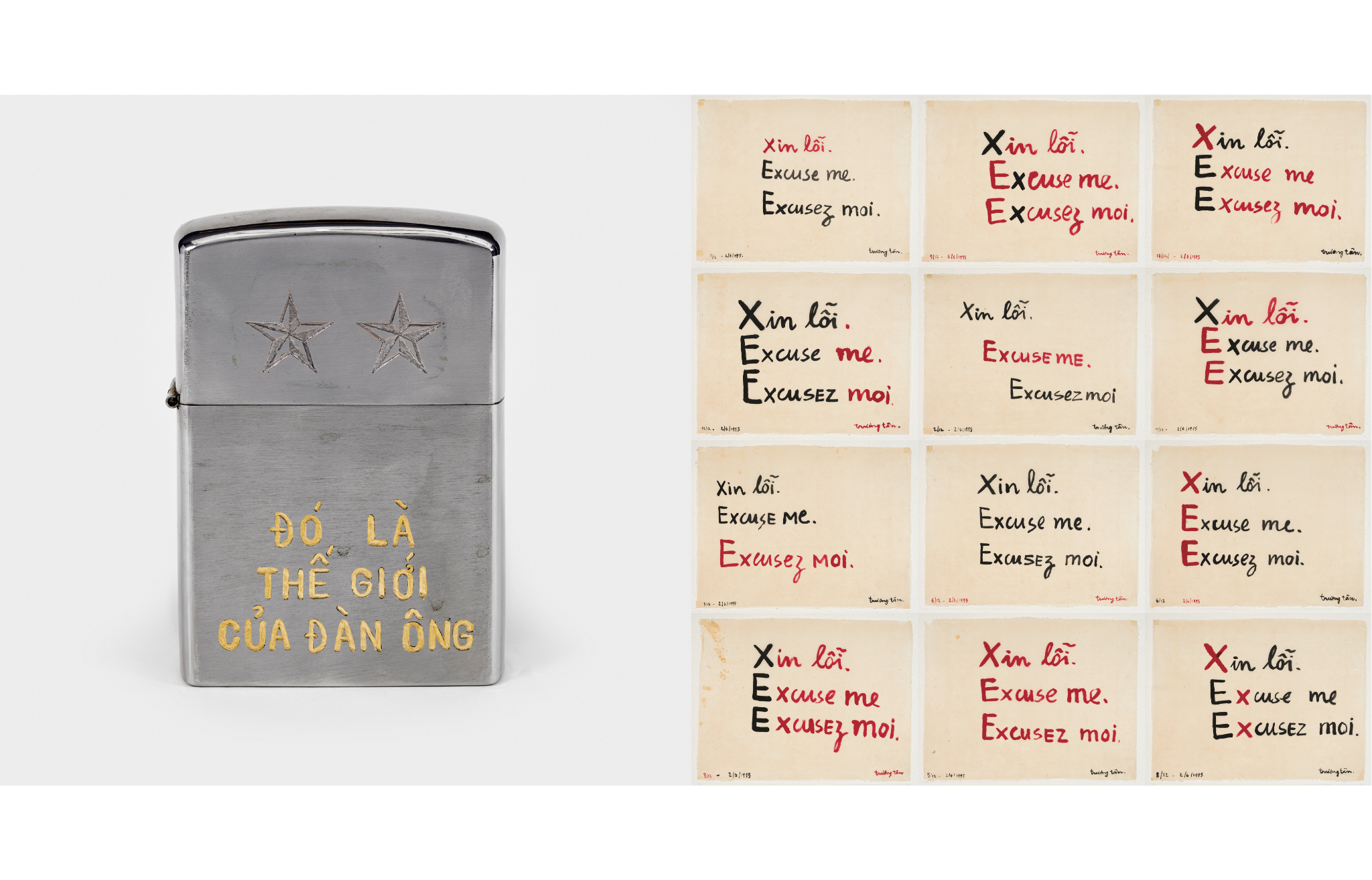
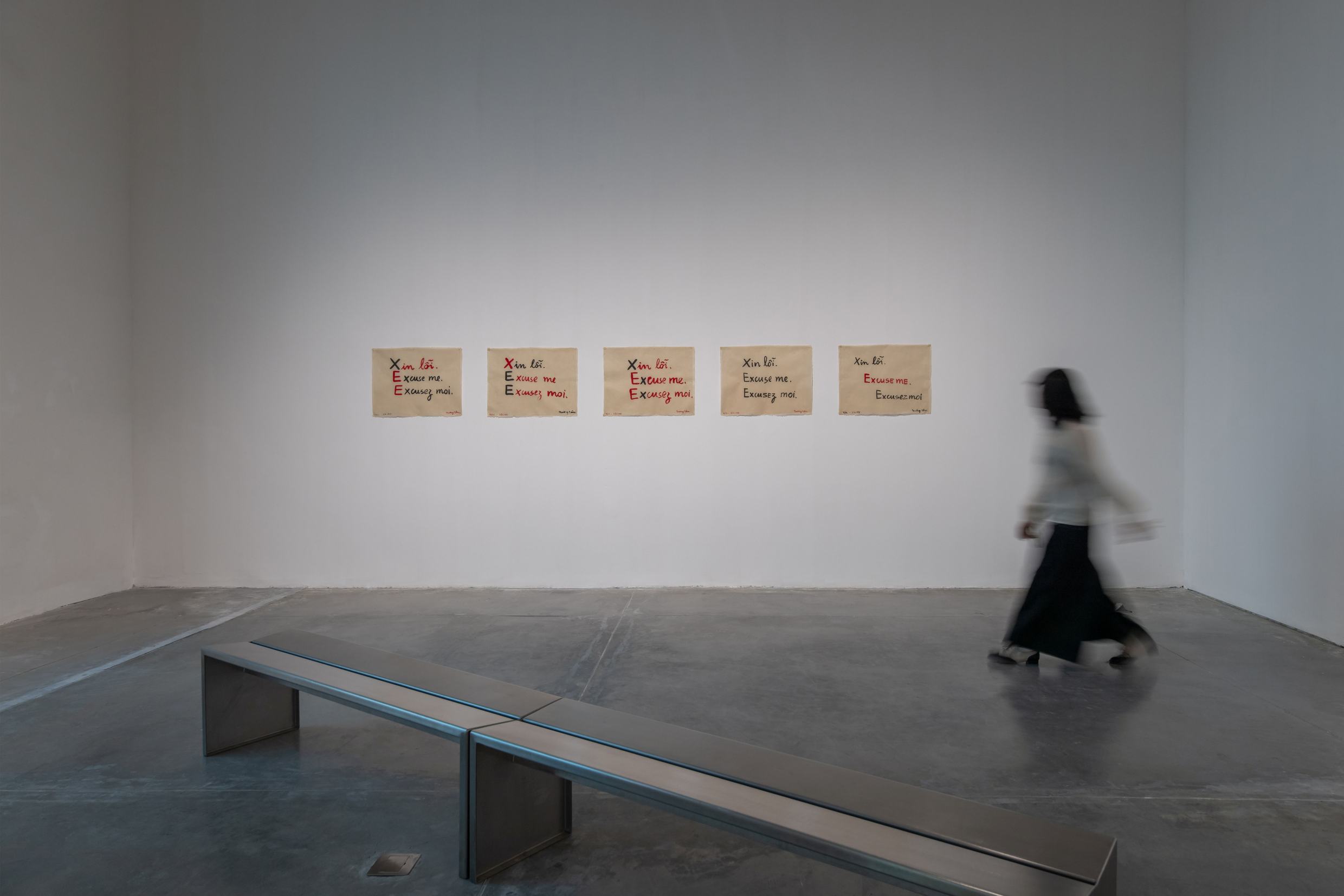
Left image: An-My Le Đó Là Thế Giới Của Đàn Ông (2021) Vintage lighter, 16.5 x 10.8 x 3.8 cm. Courtesy of Nguyễn Art Foundation collection
Right image: Truong Tan Xin loi (1995) Ink on dó paper 53 x 70 cm. Courtesy of Nguyễn Art Foundation collection
Collecting, for us, has therefore become more about creating future conditions for access, interpretation, and re-reading. Rather than a static accumulation of objects, we envision the collection as a living educational and research structure. I think artists recognize this commitment of ours, and perhaps that is one reason why the foundation continues to receive such trust and generosity from practitioners across generations.
The Studio Visits / Artist Interviews series has become an important part of the foundation’s public platform. Why did you decide to expand it beyond artists themselves?
The series initially began as a way for us to spend time with artists and learn directly from their practices. But over time, we realized that audiences were responding not only to the artists and artworks themselves, but also to the invisible histories, relationships, and struggles surrounding them.
In 2024, we decided to expand the series to include curators, organizers, and independent cultural practitioners who have played critical roles in building spaces, sustaining communities, and shaping Vietnam’s alternative art histories over the last two decades. This felt particularly important because so much of our country’s contemporary art history remains under-documented, fragmented, or transmitted informally through personal and oral memory.
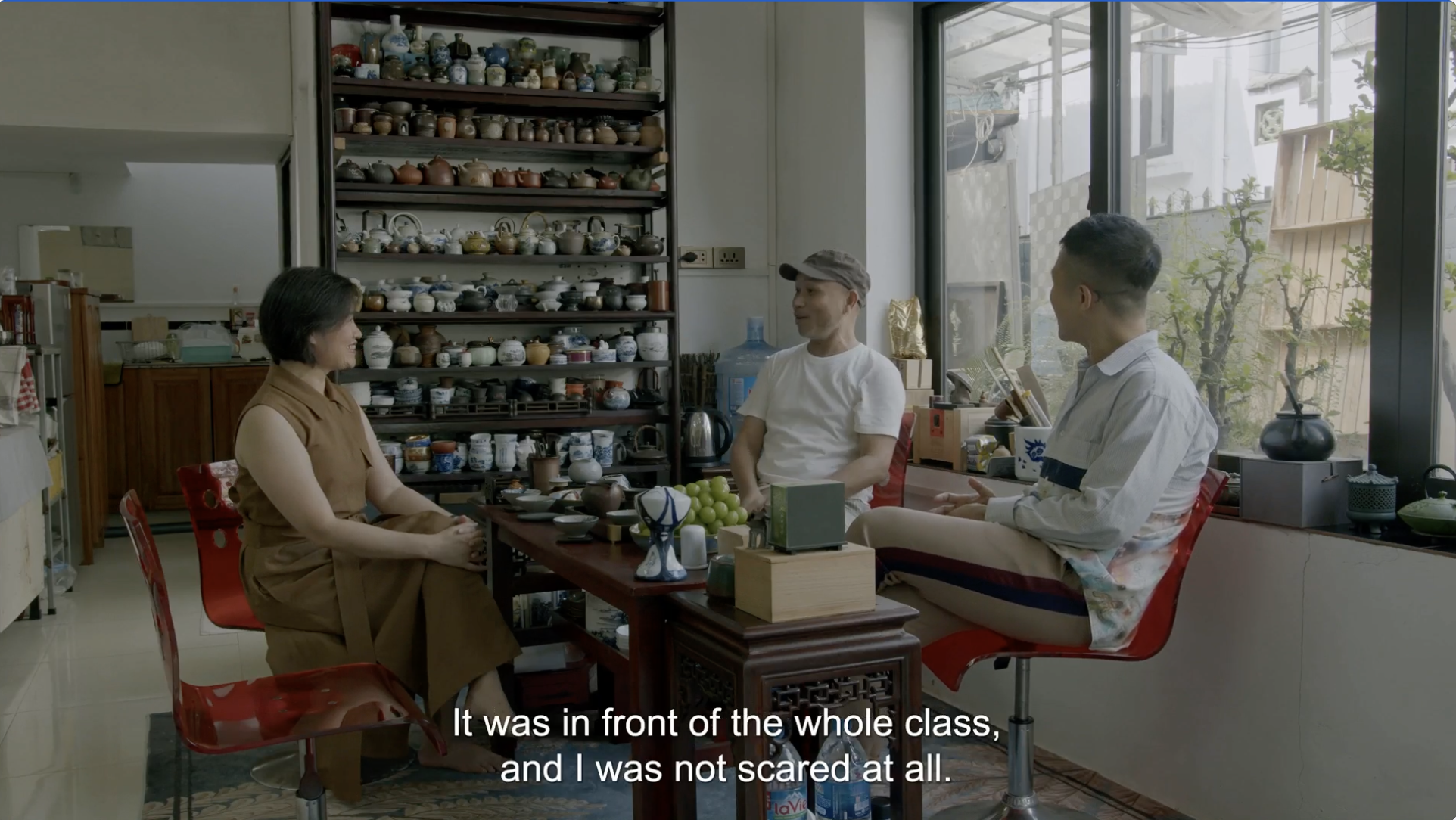
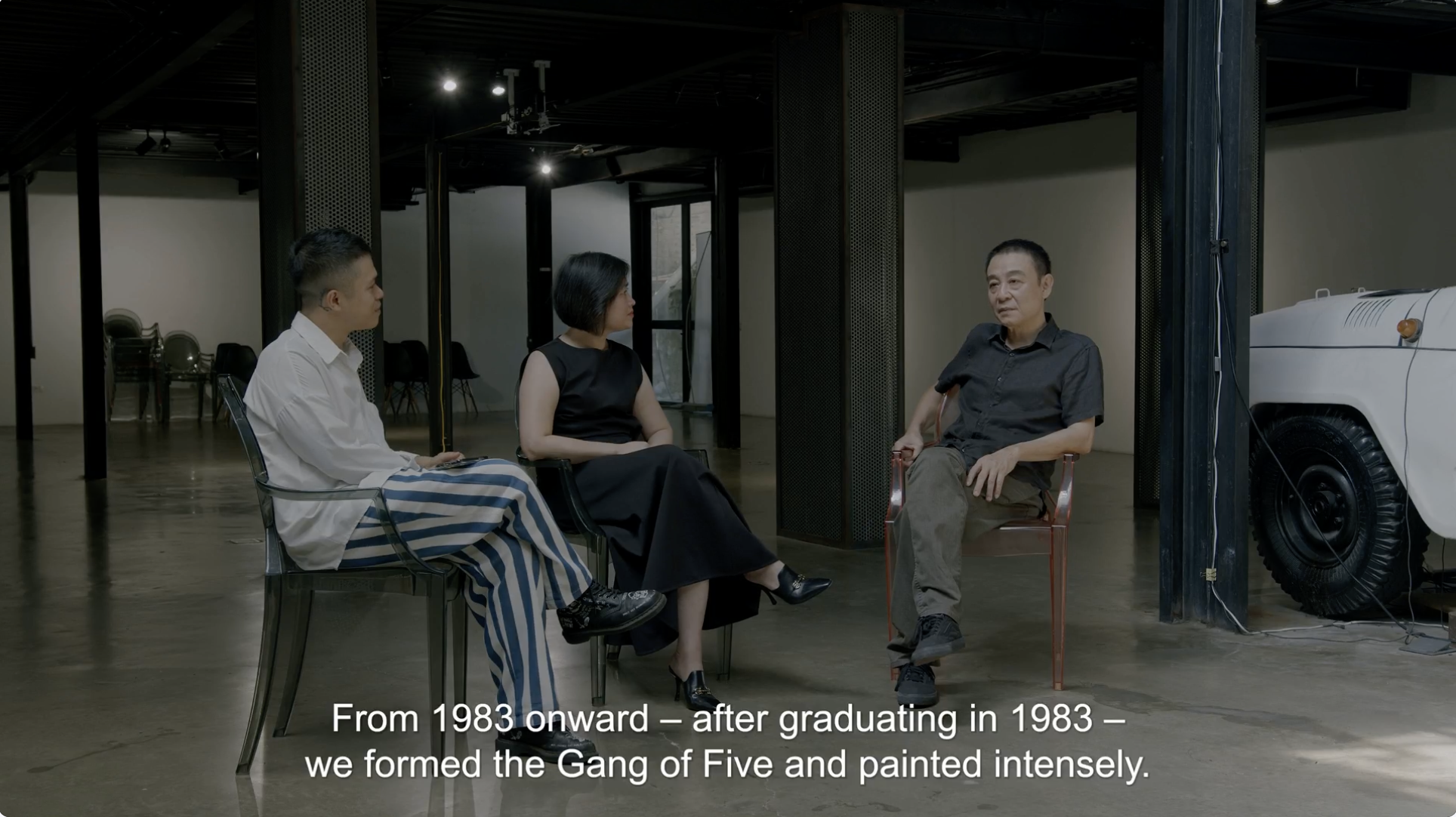
What remains urgent for us, however, is not just nostalgia, but continuity. How do younger generations understand the infrastructures that made contemporary art possible in Vietnam in the first place? What kinds of labour, compromise, resistance, and imagination were required to sustain these spaces? What can we – as art audiences – do to contribute? These are some of the questions we hope to engage our public as we attempt to preserve forms of knowledge that might otherwise disappear.
Access all the interview videos
How is the foundation working to connect Vietnamese contemporary art with international audiences and networks?
We try to approach opportunities of international exchange with criticality and reciprocity, rather than simply aspirationally. Historically, Vietnam’s contemporary art has often been framed through external institutional narratives, where visibility is still heavily mediated by global centers of validation. We are thus interested in creating exchanges that allow for more complexity, nuance, and agency – first at home, then abroad.
Among the initiatives we support is Nổ Cái Bùm, a travelling contemporary art week that intentionally decentralizes artistic activity beyond Hanoi and Ho Chi Minh City. In the past, we have also collaborated with organizations such as Gasworks and Delfina Foundation to support residencies and longer-term dialogue between artists and curators.
Publishing has become another important area of focus. In 2026, we will launch Signs and Signals from Vietnam: Essays on Contemporary Art, the first English-language volume dedicated to Vietnamese contemporary art, published by NUS Press in Singapore. What feels important about this project is not only the publication itself, but the fact that serious critical writing on Vietnamese contemporary art remains surprisingly limited despite the richness and complexity of the scene.
Signs and Signals from Vietnam book
Through these initiatives, we hope to ensure that Vietnamese artists and cultural practitioners not only receive the attention they deserve, but are also able to participate in shaping broader contemporary discourse on their own intellectual and historical terms.
Why did the foundation decide to rethink its exhibition model and launch the open call Within and Beyond: a Taxonomy in Exhibition Making?
Our newest long-term project Within and Beyond: a Taxonomy in Exhibition Making emerged from a period of serious reflection around exhaustion, sustainability, and the limits of hyper-productivity within the arts ecosystem.
Within & Beyond: A Taxonomy in Exhibition-making
Like many independent organisations in Vietnam, we often found ourselves constantly operating across multiple fronts: producing exhibitions, facilitating educational programmes, mediating partnerships, supporting artists emotionally and financially, and responding to infrastructural gaps that should ideally be carried by larger institutional systems.
At a certain point, we realized that sustainability could not simply mean survival. So from 2025 onwards, we decided to fundamentally rethink our institutional model, precisely to create conditions for reflection and learning, and to fall in love again with what we love to do. One of the key changes is that, beginning in mid 2026, NAF will shift towards one year-long exhibition and learning programme annually. Time is what will allow us to think more deeply about how exhibitions unfold over time: how audiences return, how learning accumulates, and how relationships between artworks, space, and publics evolve gradually rather than instantaneously.
Within and Beyond: a Taxonomy in Exhibition Making emerged directly from this shift as an exhibition-making and training programme directly targeting young art professionals. The programme, however, is less about producing finished curators and more about collectively rethinking what exhibition-making could become within our local context. Through mentorship, research, collaborative learning, and hands-on experience, we hope to support younger practitioners while also questioning inherited institutional models.
In many ways, the initiative is an experiment on self-reflexivity. It asks how institutions like ours can remain porous, adaptive, and alive without reproducing the same extractive rhythms that so many cultural workers are already struggling against.