The Vancouver Art Gallery
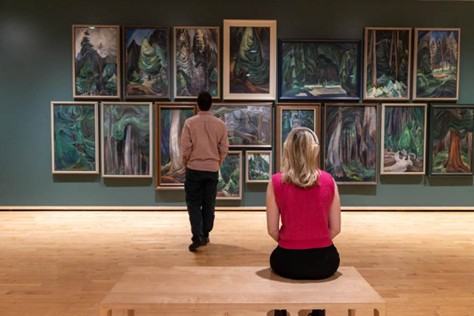
Founded in 1931 on the ancestral and unceded territories of the xʷməθkʷəy̓əm (Musqueam), Sḵwx̱wú7mesh (Squamish) and səlilwətaɬ (Tsleil-Waututh) Nations, the Vancouver Art Gallery is one of North America’s leading visual arts institutions and the largest art museum in Western Canada. Located in downtown Vancouver, the Gallery presents a dynamic program of both historical and contemporary exhibitions, with a strong emphasis on modern and contemporary art practices. The Gallery’s permanent collection comprises more than 13,000 works, spanning historical to contemporary art, with strengths in Canadian art, including the most significant collections of works by Emily Carr. The institution is also recognized for its leadership in presenting and collecting works by Indigenous artists and for its focus on art from the Asia Pacific region through its Centre for Global Asias. Across its exhibitions and programming, the Gallery explores the broader role of visual culture, design and architecture in shaping society. Through exhibitions, public programs and research initiatives, the Vancouver Art Gallery fosters critical dialogue and offers audiences meaningful engagement with both modern and contemporary art in a global context.
Name of the director of the institution: Sirish Rao and Eva Respini
Name of the practice, initiative or program nominated: The Art of Wellbeing Lab
Name and position of the professional who leads the practice: Sirish Rao, Co-CEO
Describe the practice, program, or project, what innovative approach is proposed, and in which core museum activities it applies: conservation, education, collection, exhibition programs, publications, research, accessibility, communication, governance, and sustainability.
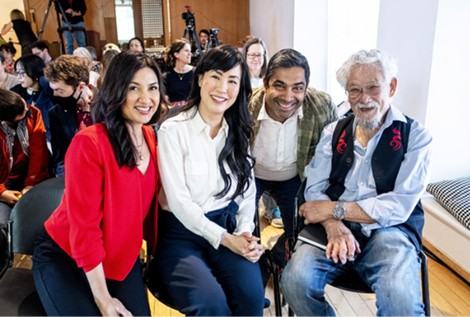
Art plays a vital role in advancing individual and collective wellbeing. Decades of research in psychology, public health and art therapy demonstrate a strong link between artistic engagement and improved mental, emotional and physical outcomes. Yet despite growing recognition of art as a powerful healing modality, the infrastructure needed to connect these benefits to those who need them most remains limited. In response, the Vancouver Art Gallery launched the Art of Wellbeing Lab, a cross-sector initiative that positions the museum as an active agent of care. With a mission to seek remedies against despair and potions for joy, the Lab mobilizes an ecosystem of artists, health practitioners, researchers, and Indigenous Elders and healers to create accessible pathways to wellbeing through art.
Conceived as a welcoming, inclusive space, the Lab bridges cultural practice and public health by fostering reflection, connection and resilience. At its core is a pioneering partnership with the BC Parks Foundation’s PaRx program, Canada’s national nature prescription initiative. Through this collaboration, healthcare providers can prescribe visits to the Vancouver Art Gallery as part of patient care, offering free admission and guided resources that link art, nature and healing. Featuring exhibitions such as That Green Ideal: Emily Carr and the Idea of Nature, the prescription offers an art experience, and also links visitors to outdoor experiences in provincial parks. This initiative represents the first collaboration of its kind globally between a nature prescription program and an art museum.
The Art of Wellbeing Lab operates across core museum functions: expanding education through participatory, community-led programming; reimagining exhibitions as restorative spaces; advancing accessibility by removing financial barriers; and contributing to evidence-informed research on wellbeing. By embedding social prescribing within institutional practice, the Lab offers a scalable, sustainable model for how museums can meaningfully support wellbeing and resilience amid contemporary social challenges.
Explain in one sentence why you think the project you nominate is outstanding and could serve as an example for the entire community of modern and contemporary art museums.
The Art of Wellbeing Lab stands out as a groundbreaking, scalable initiative that redefines the role of the museum in the 21st century by directly addressing public health challenges and creating measurable social impact through the transformative power of art.
Explain why this practice or program is relevant and sustainable in creating meaningful and lasting connections with people, communities, and the museum context with a medium to long-term vision.
The Art of Wellbeing Lab is both relevant and sustainable because it is rooted in long-term, cross-sector partnerships that connect the museum with healthcare, community and social service networks. Built in collaboration with organizations (BC Parks Foundation, United Way BC and leading medical associations), the initiative embeds art within established social prescribing pathways, ensuring ongoing referrals and sustained engagement with diverse and underserved populations. Its integration of community connectors, programming for all ages and backgrounds and knowledge-sharing tools supports scalability and replication beyond the Gallery. By aligning with broader public health priorities around social connection, mental wellbeing and access to nature, the program creates lasting relationships between individuals and the museum, positioning it as a vital, enduring resource within the wider ecosystem of care. In essence, we see our initiative as part of a larger movement.
What are the outcomes of the practice you are most proud of?
Over the past year, the Art of Wellbeing Lab has demonstrated meaningful impact by directly improving access to art for those who need it most. Programs like our Art of Wellbeing for Seniors promote healthy aging in seniors through art-making activities and physical movement in response to art.
Through our partnership with BC Parks Foundation’s PaRx program, we have dozens of doctors prescribing visits to the Gallery for their patients, where they receive free, supported visits that foster connection and wellbeing. A significant outcome was the extension of this initiative in response to the tragic deaths at the Lapu Lapu Day Festival in Vancouver in April 2025, where we provided access and gathering space to those affected, as part of a collective healing process.
The program has gained national recognition, receiving a 2025 Social Prescribing Changemaker Award from the Canadian Institute for Social Prescribing, underscoring its leadership and innovation.
How has the nominated practice changed your methods and ways of working?
The Art of Wellbeing Lab has fundamentally shifted our approach from program delivery to co-creation, embedding community voice, care and cross-sector collaboration at the centre of our work. Through partnerships with organizations such as the BC Parks Foundation and networks of physicians, we now work in closer alignment with public health priorities, integrating social prescribing pathways into our programming and expanding how audiences access the Gallery. This has required new methods of listening, including ongoing dialogue with community partners, Indigenous knowledge holders and participants, as well as the introduction of community connectors to support equitable engagement. Internally, it has fostered greater collaboration across curatorial, public program and communications teams, reframing exhibitions as spaces for healing, connection and wellbeing. Ultimately, The Art of Wellbeing Lab positions the museum not only as a cultural space, but as a vital connector in the ecosystem of community health and belonging.