Pinacoteca do Ceará
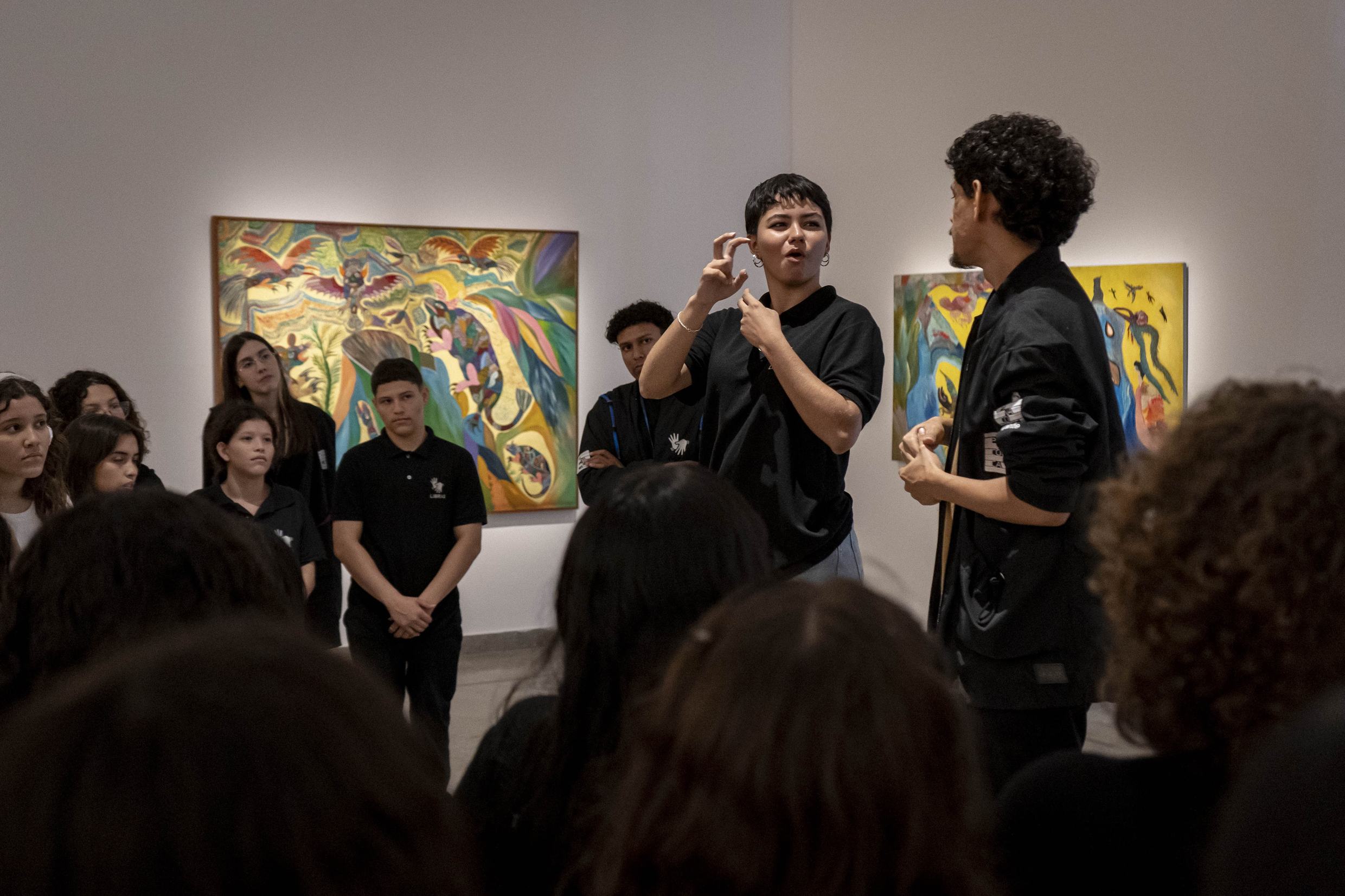
The Pinacoteca do Ceará is a premier museum dedicated to the preservation, research, and dissemination of modern and contemporary visual arts. Situated within the Estação das Artes cultural complex, it serves as a vital hub for artistic creation and audience development, bridging historical memory with the vibrancy of the present.
The museum’s profile centers on valuing Brazilian art, with a specific focus on the Ceará and Northeastern regions, while maintaining a dialogue with national and international works. Its diverse collection spans traditional media—such as painting and sculpture—to contemporary experimentations like photography, printmaking, performance, and installations. This breadth offers visitors a comprehensive panorama of artistic evolution from the 20th century to today.
Beyond its role as a repository, the Pinacoteca is a center for cultural activation. It develops robust educational, curatorial, and research initiatives that foster critical thinking and expand democratic access to the arts. By integrating conservation with dynamic public engagement, the institution reinforces its identity as a transformative space. It is not merely a place of observation, but a modern museum committed to the continuous development of its community and the celebration of artistic diversity.
Name of the director of the institution: Rian Fontenele
Name of the practice, initiative or program nominated: Accessibility Program
Name and position of the professional who leads the practice: Alana Oliveira, Accessibility Supervision
Describe the practice, program, or project, what innovative approach is proposed, and in which core museum activities it applies: conservation, education, collection, exhibition programs, publications, research, accessibility, communication, governance, and sustainability.
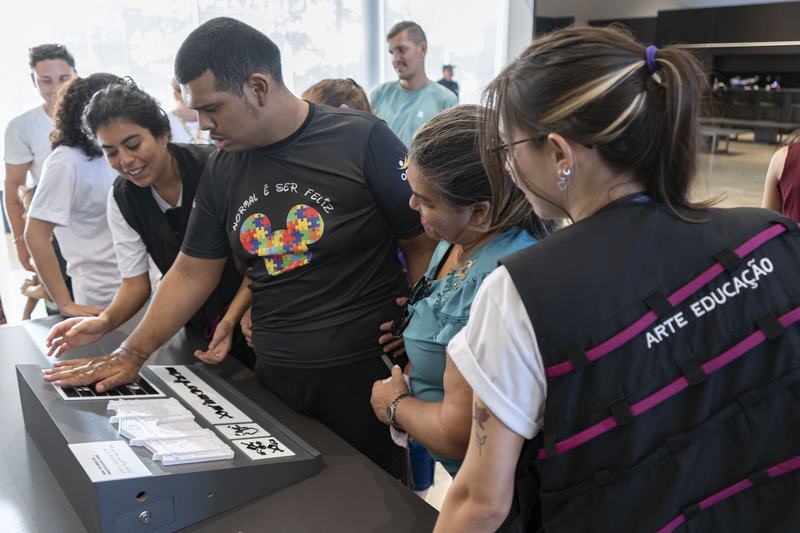
The Continuous and Integrated Accessibility Program represents a paradigm shift in museology by establishing accessibility as a core, structuring axis rather than a series of isolated accommodations. By weaving inclusion into the very fabric of institutional planning, execution, and evaluation, the program ensures that diversity is managed transversally across all departments—from management and curatorship to communication and mediation.
The hallmark of this initiative is its innovative systematization of workflows. Rather than responding to accessibility needs on a case-by-case basis, the museum has developed a proprietary methodology that prioritizes the protagonism of people with disabilities. This involves a continuous cycle of active listening, co-creation, and rigorous monitoring to ensure that every action remains relevant and effective.
Across the museum’s functional areas, the impact is comprehensive:
Education: Delivers accessible guided tours and inclusive workshops supported by continuous staff training.
Exhibitions & Collections: Integrates accessibility into the initial design phase, ensuring curatorial content is adapted through tactile elements and inclusive narratives.
Communication: Produces specialized audiovisual content in Brazilian Sign Language (Libras), alongside textual adaptations and accessible digital platforms.
Governance & Research: Focuses on data systematization and deep collaboration with organized collectives and associations, ensuring the institution remains accountable to the communities it serves.
By consolidating these permanent inclusive practices, the program transcends the traditional limitations of project-based funding or temporary initiatives. It fosters a sustainable institutional culture that enhances the museum’s social relevance and expands its reach. Ultimately, this integrated approach transforms the museum into a truly democratic space where the right to culture is guaranteed for all, positioning the institution as a global reference for structural and attitudinal accessibility in the arts.
Explain in one sentence why you think the project you nominate is outstanding and could serve as an example for the entire community of modern and contemporary art museums.
By embedding accessibility as a foundational pillar rather than an afterthought, this structural innovation transforms the museum’s strategic vision into a sustainable, global model for inclusive cultural experiences.
Explain why this practice or program is relevant and sustainable in creating meaningful and lasting connections with people, communities, and the museum context with a medium to long-term vision.
This practice is sustainable because it integrates accessibility into the museum's core structure rather than treating it as a one-off project. By operating transversally across communication, education, curatorship, and management, the program ensures continuity through organized planning and constant adaptation to diverse audience needs.
Stronger community ties are built through active listening and involving people with disabilities in the creative process, fostering genuine trust and belonging. Furthermore, continuous staff training and systematized methodologies make these practices replicable, reducing dependence on isolated efforts.
In the long term, this program consolidates an inclusive institutional culture and enhances service quality. By expanding its social impact and positioning the museum as a reference in accessibility, the institution builds lasting, meaningful relationships with all visitors. These structural changes ensure that inclusion remains a permanent, evolving pillar of the museum’s identity rather than a temporary initiative.
What are the outcomes of the practice you are most proud of?
The most significant results reflect structural transformations within the institution. A major highlight is the effective inclusion of deaf professionals through an expanded internship program, fostering genuine communication between deaf and hearing staff. Furthermore, hiring a person with a disability for a technical collections role demonstrates a commitment to inclusion that extends beyond public-facing services.
We have also consolidated accessible communication by translating public calls into Libras and integrating audio descriptions, tactile elements, and Braille into exhibitions, granting blind visitors greater autonomy. Strengthening ties with schools and associations has been equally vital, allowing many individuals with disabilities to experience the museum for the first time.
Ultimately, these actions do more than just expand access; they transform the museum into a more just, diverse, and inclusive environment. By prioritizing both structural changes and community relationships, we ensure the institution remains a welcoming space for all people.
How has the nominated practice changed your methods and ways of working?
The implementation of this practice has transformed our workflow, fostering a culture where accessibility is a shared responsibility. The presence of an accessibility supervisor has integrated departments and improved communication between professionals with and without disabilities.
Strategically, we have strengthened partnerships with specialized institutions and prioritize consulting people with disabilities to ensure the effectiveness of resources like tactile maps, audio descriptions, and Braille. Our digital presence reflects this commitment: Instagram features weekly schedules in Libras, while YouTube and our website include captions, sign language interpretation, and accessible press materials.
In just three years, our staff’s perspective on attitudinal accessibility has evolved, making everyday gestures more inclusive. Most impactfully, seeing children with disabilities experience a sense of joy and belonging during their first museum visit validates our efforts. We continue to work with intention to ensure our environment remains human, connected, and deeply transformative for all audiences.