Blanton Museum of Art
The Blanton Museum of Art at The University of Texas at Austin stands as a singular institution at the intersection of academia, educational engagement, and artistic innovation. As both a recognized university art museum in the nation — ranking first in visitor attendance — and the third most visited art museum in Texas, the Blanton occupies a distinctive dual role: serving a research university while anchoring the cultural life of one of America's most dynamic cities.
Housing over 22,000 works across 52,000 square feet of gallery space, the collection spans modern and contemporary American and Latin American art, Italian Renaissance and Baroque paintings, and an extensively utilized print study center. The museum organizes two to four major exhibitions annually while maintaining dynamic collection rotations.
What truly distinguishes the Blanton is its foundational commitment to education as an institutional imperative rather than a supplementary function. In 2024 alone, the museum welcomed nearly 9,000 K–12 students from 167 schools across 39 districts — with Title I schools representing 44% of visits — alongside 379 teachers engaged through professional development. The museum simultaneously cultivates the next generation of museum educators through graduate fellowship opportunities. This integrated educational ecosystem reflects the Blanton's nationally recognized leadership in making art meaningfully accessible across communities.
Name of the director of the institution: Simone Wicha
Name of the practice, initiative or program nominated: Blanton K12 Multivisit
Name and position of the professional who leads the practice: Orlando Graves Bolaños
Describe the practice, program, or project, what innovative approach is proposed, and in which core museum activities it applies: conservation, education, collection, exhibition programs, publications, research, accessibility, communication, governance, and sustainability.
Implementing the Science of Reading through Art: A Museum-Based Literacy Program
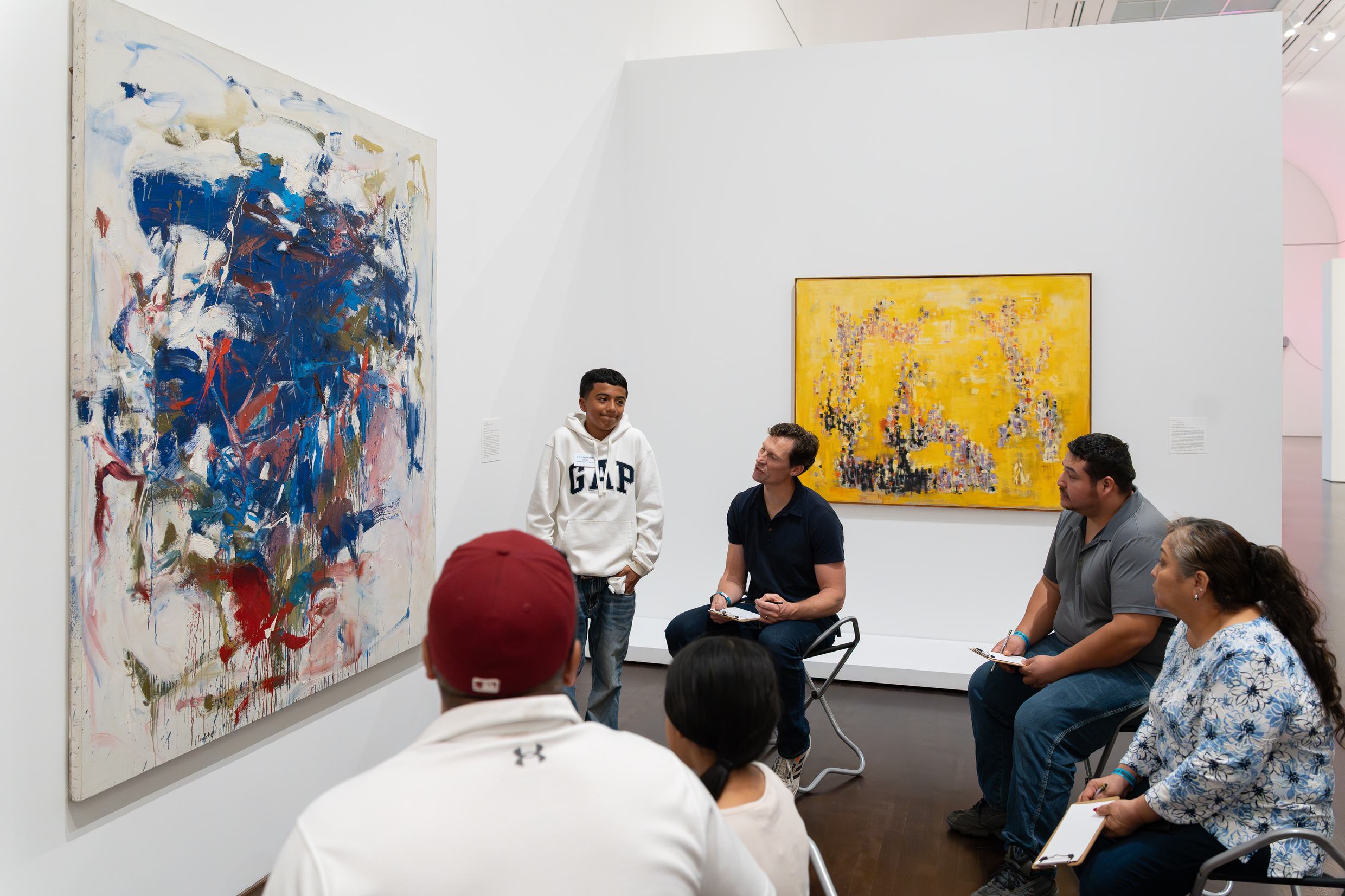
The Blanton Museum of Art, in partnership with The University of Texas at Austin's Meadows Center for Preventing Educational Risk, has launched a pioneering research initiative that fundamentally reconceptualizes the museum gallery as a site of science of reading (SOR)-aligned literacy instruction. This mixed-methods study embeds evidence-based vocabulary and oral language development within the Blanton's existing Magnolia Montessori Multi-Visit Program (MVP), serving 6th and 7th grade students from a public charter school in East Austin across seven structured museum visits during the academic year.
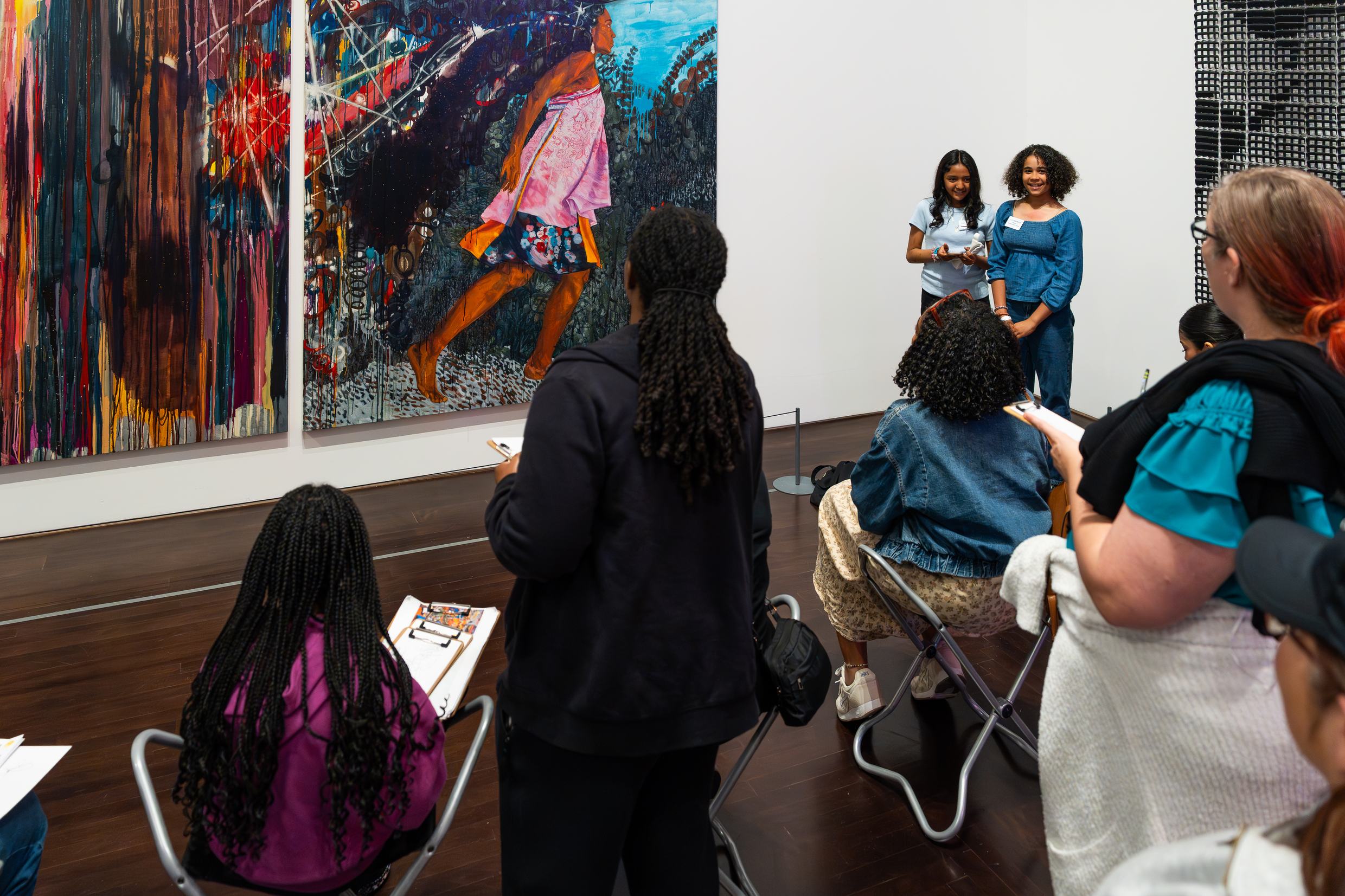
The innovation lies in a bold disciplinary bridge: artworks are intentionally repositioned as visual texts, scaffolded through explicit vocabulary instruction, morphological analysis, structured oral language routines, and spaced encounters with academic and art-specific language. Students maintain sketchbooks integrating observational drawing, written reflection, and cumulative vocabulary logs — functioning simultaneously as learning tools and research data sources. The program culminates in a public capstone event where students perform as gallery facilitators, deploying target vocabulary in authentic communicative contexts before peers, families, and community visitors.
This approach applies most directly to the Blanton's core activities in education, and desire to bridge a gap with educsational research. It advances education by integrating nationally validated literacy science into museum pedagogy. It contributes original research generating mixed-methods data designed to support future research in the field. It deepens the museum's exhibition programming by activating the permanent collection as an instructional resource. It meaningfully extends accessibility by centering students who may experience traditional print-based literacy as deficit-oriented. And it strengthens community communication by positioning young people from East Austin as confident public voices within the museum's galleries.
Explain in one sentence why you think the project you nominate is outstanding and could serve as an example for the entire community of modern and contemporary art museums.
Art museums have long served as cultural destinations — places students visit once, observe passively, and leave — this project demonstrates that when museums commit to sustained, multi-visit engagement rooted in evidence-based literacy pedagogy, something transformative occurs: students cross the threshold from passive consumers of culture to authentic producers and participants within it, ultimately standing in the gallery not as visitors but as educators, offering the broader field of contemporary art museums a replicable and research-grounded model for reimagining what belonging, literacy, and cultural agency can look like for all adolescents.
Explain why this practice or program is relevant and sustainable in creating meaningful and lasting connections with people, communities, and the museum context with a medium to long-term vision.
This program is relevant and sustainable because it is structurally embedded within an existing museum-school partnership, making it institutionally resilient rather than dependent on one-time funding or singular relationships. By rooting literacy development within the Blanton's permanent collection, the model grows more powerful over time as educators deepen their expertise across repeated program cycles. Its focus on underserved communities addresses persistent equity gaps in both arts access and adolescent literacy — two of the most pressing long-term challenges facing museums and schools alike. The mixed-methods research design generates cumulative evidence that strengthens future external funding applications, ensuring financial sustainability. Most significantly, by positioning students as gallery facilitators, the program cultivates a generation of young people who carry a durable sense of ownership, belonging, and identity within the museum — the deepest foundation for lasting community connection any institution can build.
What are the outcomes of the practice you are most proud of?
The outcomes we are most proud of are not captured in vocabulary assessment scores alone — they are visible in the transformation of how students carry themselves in the gallery. By the culminating capstone evening, young people who began the program as first-time museum visitors are standing confidently before peers, families, and community members, teaching artworks they have come to know intimately. This visible growth in communication, critical thinking, creativity, and collaboration — the 4Cs — reflects a deeper shift in identity and self-perception. Students demonstrate measurable gains in oral language confidence and academic vocabulary, but more profoundly, they express a genuine sense of belonging within the museum and the broader art community. These outcomes align with human flourishing principles: students leave not only as stronger readers and communicators, but as young people who see themselves as rightful participants in cultural life — and that transformation endures far beyond the program itself.
How has the nominated practice changed your methods and ways of working?
This project has fundamentally shifted how we conceive of the museum educator's role and the evidentiary standards to which we hold our work. Museum and art education have historically operated adjacent to other disciplines, with peer-reviewed research rarely generating the rigorous affirmations our field needs to demonstrate the measurable benefits of museum experiences. By deepening and extending engagement through a multi-visit, research-embedded model, we now have the methodological infrastructure to make stronger, evidence-based claims about what sustained museum participation produces. Collaborating with external literacy researchers has transformed our internal ways of working — bringing new analytical frameworks, assessment tools, and scholarly accountability into the gallery space. Most significantly, this project positions the museum as a meaningful contributor to the growing field of human flourishing — the interdisciplinary study of what enables individuals to live lives of wellbeing, agency, purpose, and connection — affirming that art museums are not peripheral to that mission, but central to it.