Ateneo Art Gallery
Widely recognized today as the first museum of Philippine modern art, the Ateneo Art Gallery was established in 1960 through Fernando Zóbel’s bequest to the Ateneo of his collection of works by key Filipino post war artists.
Through the years, other philanthropists and artists followed Zobel’s initiative, filling in the gaps so that the collection now surveys every Philippine art movement in the post war era: from neo-realism and abstract expressionism to today’s post-modern hybrid tendencies.
Located in the Soledad V Pangilinan Arts Wing of Areté, AAG has expanded the scope of its exhibition programs to feature more of its permanent collection alongside contemporary and experimental art projects such as the annual Ateneo Art Awards as well as survey and historical exhibitions.
In 2025, the Ateneo Art Gallery together with Museo de Arte Abstracto Español de Cuenca was recognized in the Casa Asia Awards 2025 for the Culture and Society Category. The award recognizes the efforts of both institutions in highlighting the role of Fernando Zóbel as artist and patron of the arts through museum exhibitions and programs.
Name of the director of the institution: Ma. Victoria T. Herrera
Name of the practice, initiative or program nominated: Museum Visit Partnership – Ateneo Art Gallery and Teach for the Philippines
Name and position of the professional who leads the practice: Ma. Victoria T. Herrera
Describe the practice, program, or project, what innovative approach is proposed, and in which core museum activities it applies: conservation, education, collection, exhibition programs, publications, research, accessibility, communication, governance, and sustainability.
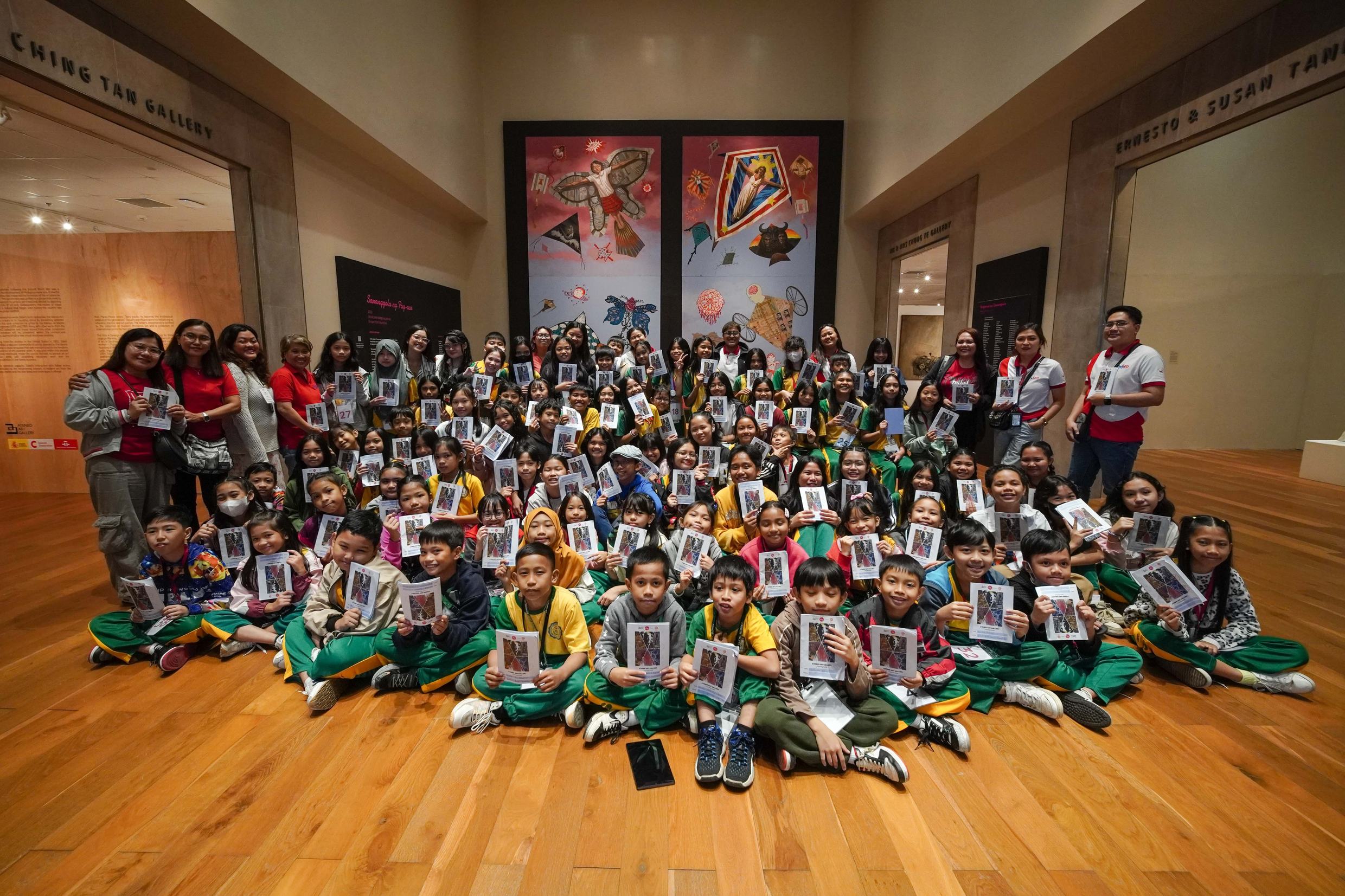
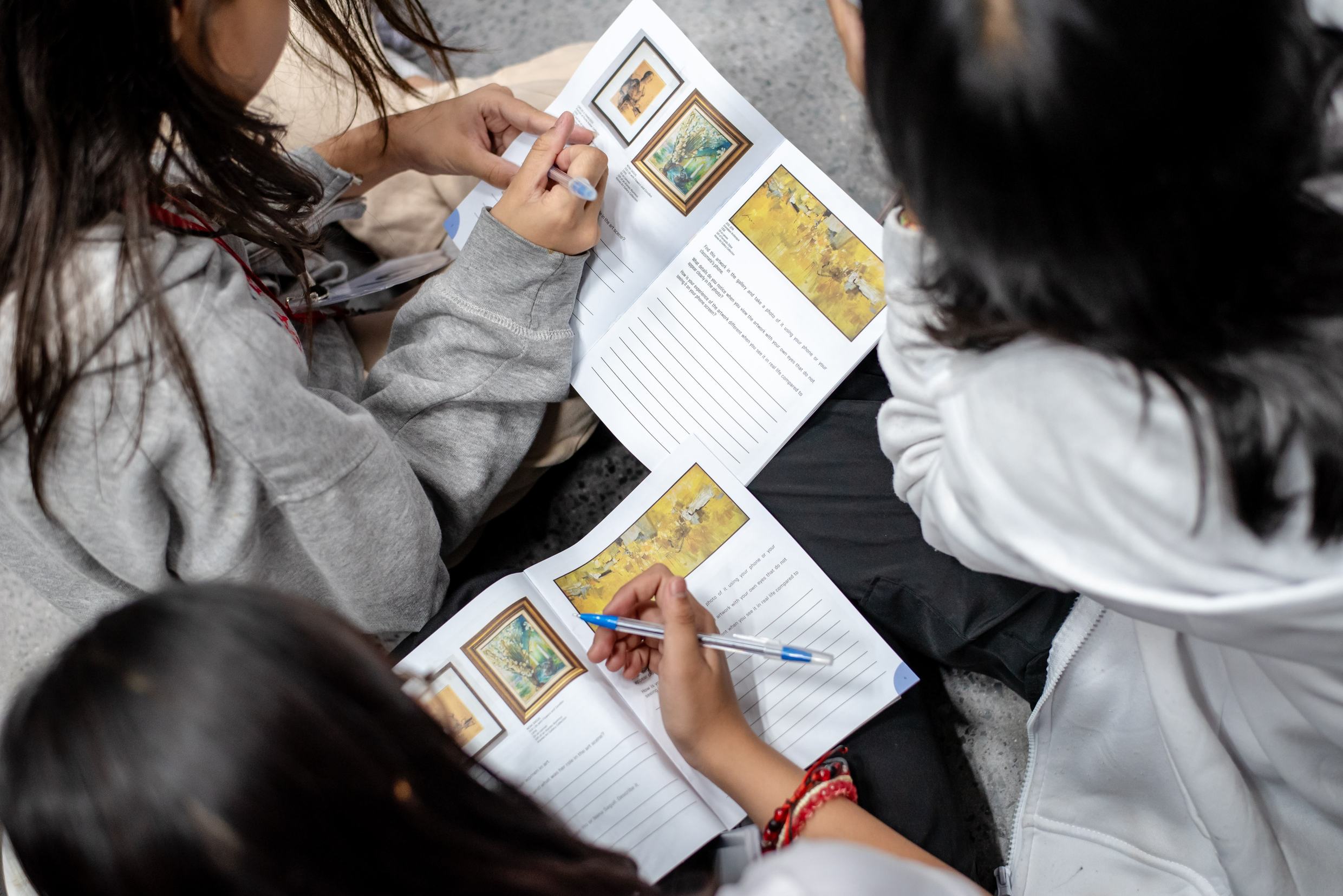
With a shared commitment to provide quality education for all Filipino children, the Ateneo Art Gallery (AAG) has consistently been Teach for the Philippines’ (TFP) learning trip partner since 2018, with some of these learning experiences made possible through the support of the Museum Foundation of the Philippines, Inc. (MFPI). This partnership has continued until the present, with the most recent collaboration taking place last February 2026 in which Grades 4-6 students from four (4) public schools in Quezon City were brought to AAG for a learning trip. Tours for this learning trip were customized to encourage self-reflection on their place in the world, and how working with others can help bring about positive change. Learning guides were also produced specifically for these visits, with a plan to further distribute them digitally for wider accessibility.
Explain in one sentence why you think the project you nominate is outstanding and could serve as an example for the entire community of modern and contemporary art museums.
This project encourages university-based modern and contemporary art museums like AAG to establish closer collaboration with school teachers and learning-centered organizations, thus upholding the importance of museum education programs.
Explain why this practice or program is relevant and sustainable in creating meaningful and lasting connections with people, communities, and the museum context with a medium to long-term vision.
This project is consistent with the partner organizations’ vision to develop a museum-going community in the Philippines. It is hoped that this experience will have a rippling effect and encourage these students to visit the museum again or other museums with their family and friends and benefit from the educational and enriching experience of a museum visit.
What are the outcomes of the practice you are most proud of?
The partnership has been ongoing since 2018 with over 900 public schools students as beneficiaries of the program. It has also encouraged partner schools to incorporate art education into their curriculum. Teachers have also used this as an opportunity to use art as a teaching tool for other subjects such as geometry, science, and history.
How has the nominated practice changed your methods and ways of working?
This program continues to encourage the museum to adopt an education-centered approach to designing public programs and exhibitions.
https://www.ateneo.edu/news/2026/04/teach-philippines-flipped-trips-return-ateneo-art-gallery