National Art Gallery, Malaysia
The National Art Gallery, now known as the National Visual Arts Development Board (LPSVN), originated from an idea proposed between 1954 and 1956 by the Malaya Arts Council. It was officially established on August 27, 1958, by Tunku Abdul Rahman Putra Al-Haj, Malaysia first Prime Minister at its original location in Jalan Ampang. After moving to its permanent home in Jalan Temerloh in 1998, the institution underwent a significant legislative transformation through the National Visual Arts Development Board Act 2011. This act expanded its role from a traditional gallery to a catalyst for the visual arts industry, broadening its scope to include photography and multimedia. Consequently, while it serves as a Modern gallery by preserving Malaysia's artistic heritage, it functions as a Contemporary institution by embracing evolving technologies and international art trends.
Name of the director of the institution: Mr. Amerrudin Ahmad
Name of the practice, initiative or program nominated: Tabung Bantuan Seni / Visual Art Fund
Name and position of the professional who leads the practice: Mr. Syahrul Niza Ahmad Zaini
Describe the practice, program, or project, what innovative approach is proposed, and in which core museum activities it applies: conservation, education, collection, exhibition programs, publications, research, accessibility, communication, governance, and sustainability.
Overview of Tabung Bantuan Seni (TBS).
TBS is a financial assistance initiative by the National Visual Arts Development Board (Balai Seni Negara). It is designed to empower visual arts practitioners across Malaysia by providing funding for training, participation in international/local programs, and the execution of diverse art activities.
Key Impacts of the Program
- Supporting Young and Established Artists (International & Local)
- Global Presence: The fund acts as a crucial financial backbone for artists selected for international platforms. Examples include supporting artists traveling to Mongolia for the Etugen Contemporary Artcamp and to the United States for The Movable Book Society conference.
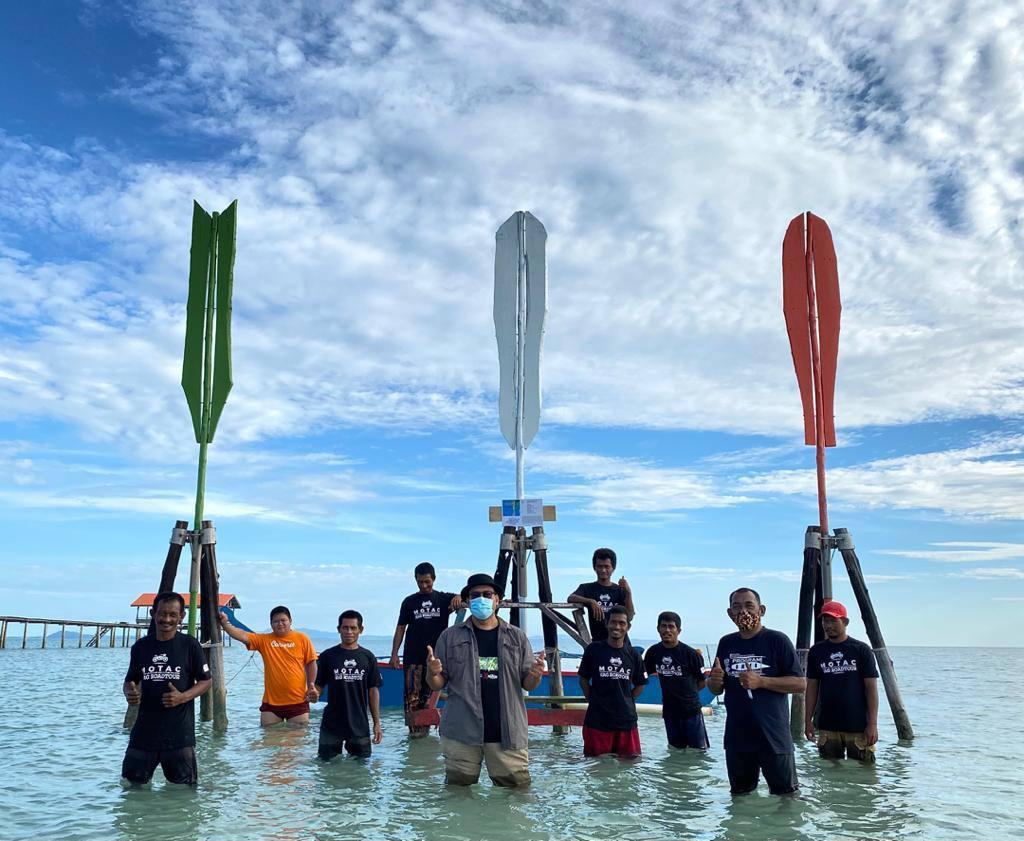
- Local Inclusivity: It shifts the focus away from Kuala Lumpur-centric events. Funding is directed toward projects in small towns and unconventional spaces, such as Pantai Pengkalan Balak, juvenile schools (Rumah Tunas Bakti), and local community centers.
- Economic Impact and Job Opportunities.
- Empowering Art Entrepreneurs: By funding projects like "Studio Ants Enterprise," the program supports small creative businesses and individual "art-preneurs."
- Creating Collaborations: The program relies on "collaborators" which include the artists themselves, local authorities, and teachers. This creates a micro-ecosystem of work for curators, jurors, and event organizers during the execution of these projects.
- Helping the Industry and Society.
- Broadening Public Understanding: A core goal (KPI) is "ketersampaian" (reach). The fund aims to demystify art for the general public. By funding community-centric projects—like art competitions integrated with traditional activities like cooking—it helps the "Rakyat" (common people) realize that art exists in their daily lives and cultural practices.
- Preserving Local Wisdom: The fund prioritizes projects that "unearth local wisdom" (mencungkil kearifan tempatan), ensuring that the Malaysian art industry remains rooted in its unique cultural identity.
- Transparency and Merit: The program maintains industry standards by selecting recipients based on merit and transparency, ensuring that the limited government funds are used effectively to achieve the highest social and artistic impact.
Explain in one sentence why you think the project you nominate is outstanding and could serve as an example for the entire community of modern and contemporary art museums.
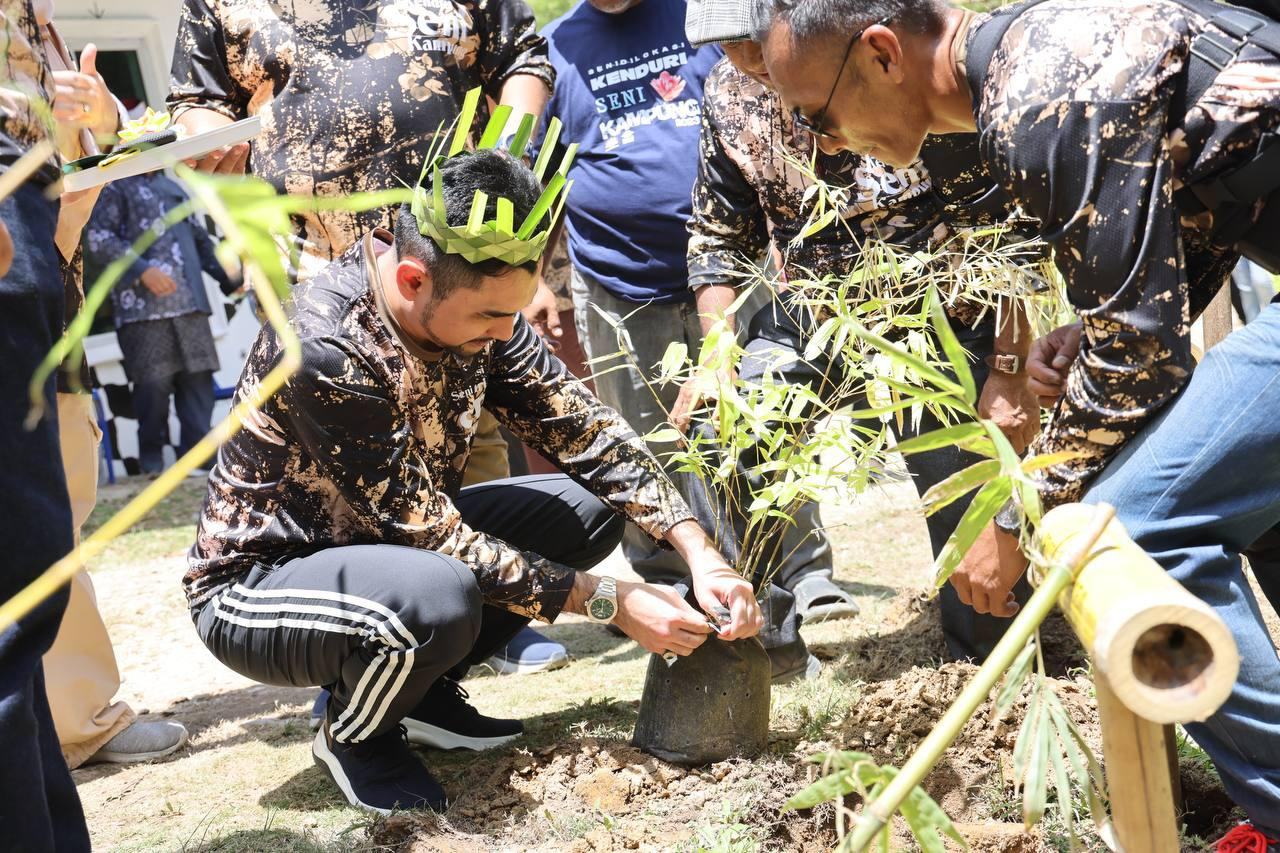
The project is outstanding because it respects "low art" as much as "high art." By bringing curators and artists to judge community activities like cooking or local gate-making (in Bintulu), TBS validates the creativity of everyday Malaysians. This empowers people to realize that their cultural practices hold artistic value, which boosts national pride and cultural identity.
Explain why this practice or program is relevant and sustainable in creating meaningful and lasting connections with people, communities, and the museum context with a medium to long-term vision.
The Tabung Bantuan Seni (TBS) program is a model of sustainability because it moves away from "one-off" exhibitions and toward a relationship-based ecosystem. Its relevance lies in how it bridges the gap between the formal institution (the museum/National Art Gallery) and the lived experiences of the public.
Here is an analysis of why this program creates lasting connections with a long-term vision:
- Shifting the Museum Context: From "Temple" to "Hub".
Traditionally, museums are seen as "temples" of high culture where the public are mere observers. TBS flips this context:
The Museum Goes to the People: By funding projects in remote areas like Bintulu or Taiping, the National Art Gallery (Balai Seni Negara) redefines itself as a service provider rather than just a building.
Lasting Impression: When a community sees the National Art Gallery supporting their local gate-making or school programs, the institution becomes a "partner" in their development, creating a sense of ownership that lasts long after the specific event ends.
- Creating "Cultural Literacy" (Medium-Term Sustainability)
The program’s focus on the "abstract impact" of art understanding is key to sustainability.
Normalizing Art: By integrating art into daily activities (like cooking or community beautification), it lowers the barrier to entry.
Future Audiences: A child who participates in a TBS-funded program in a rural school is more likely to visit a museum as an adult. This builds a future audience and a "cultural habit" that sustains the art industry for decades.
- Community Empowerment and "Social Glue"
Connections are made "meaningful" when the community is the co-creator, not just the audience.
Empowering Local Wisdom: When the program validates "local wisdom," it preserves intangible heritage. These communities are then motivated to maintain their traditions because they have been given formal recognition and resources.
Social Inclusion: By funding programs in juvenile schools (Rumah Tunas Bakti), art is used as a tool for rehabilitation and social reintegration. This creates a lasting social impact that reduces marginalization.
- Economic and Professional Durability (Long-Term Vision)
For an art ecosystem to be sustainable, it must be economically viable.
Career Pipelines: For young artists, a TBS grant is often their first "professional stamp of approval." This helps them build a portfolio to secure future international residencies or commercial success, ensuring they don't leave the industry due to lack of support.
The Multiplier Effect: TBS acts as "seed money." A successful community project can attract further funding from local businesses or tourism boards, turning a small grant into a long-term regional art hub.
What are the outcomes of the practice you are most proud of?
- The Democratization of Art (Breaking the "Kuala Lumpur Bubble"):
Perhaps the most significant outcome is the successful decentralization of the visual arts.
The Achievement: Art is no longer confined to white-walled galleries in the capital city. By funding projects in rural districts, coastal villages (Pantai Pengkalan Balak), and small towns, TBS has proven that art is a universal language.
Why it Matters: It validates the lives and spaces of people who may have felt excluded from the "official" art world, making the National Art Gallery a truly national institution.
- High "Ketersampaian" (Public Reach and Accessibility):
The program has moved the needle from "art for artists" to "art for the community."
The Achievement: Meeting the Ministry’s KPI of high participation. For example, involving local mothers in art-focused cooking competitions or engaging entire schools in remote areas.
Why it Matters: It creates a "Cultural Literacy" outcome. When a person realizes that the "care and love" they put into a traditional craft or even a meal is a form of art, their self-worth and understanding of the industry change forever.
- Global Mobility for Local Talent:
TBS has become the vital bridge that allows Malaysian artists to compete on the world stage.
The Achievement: Successfully sending artists to diverse locations like Mongolia and the United States.
Why it Matters: These artists act as cultural ambassadors. Their participation in international camps and conferences brings global perspectives back to Malaysia while ensuring Malaysian contemporary art is recognized in the global discourse.
- Art as a Tool for Social Reform:
One of the most profound outcomes is using art for social rehabilitation.
The Achievement: Funding programs in juvenile schools (Rumah Tunas Bakti).
Why it Matters: This outcome transcends aesthetics; it uses art as a medium for "Jati Diri" (identity building) and emotional healing for marginalized youth. It proves that art has the power to change life trajectories.
- Unearthing "Local Wisdom" (Kearifan Tempatan):
The program has successfully identified and documented indigenous and local creative practices.
The Achievement: Funding projects like the traditional gate-making in Bintulu.
Why it Matters: It preserves intangible heritage. By funding these projects, TBS ensures that local wisdom is not lost to modernization but is instead celebrated as a vital part of the national visual identity.
- Institutional Transparency and Trust:
In terms of governance, the outcome of transparency is a major point of pride.
The Achievement: The consistent, public announcement of grant recipients every three months.
Why it Matters: It builds a culture of meritocracy. When the industry sees where the money goes and sees the diversity of projects it fosters trust between the artist community and the government, creating a more stable and professional ecosystem.
How has the nominated practice changed your methods and ways of working?
The Tabung Bantuan Seni (TBS) / Art Fund program has fundamentally shifted the operational philosophy of the National Visual Arts Development Board (LPSVN) and the artists it supports. It has moved the industry away from a "static" model toward a dynamic, community-integrated workflow.
- From "Gallery-Centric" to "Location-Agnostic":
Previously, the primary method of working involved organizing exhibitions within the physical walls of the National Art Gallery in Kuala Lumpur.
The Change: The method is now decentralized. Work is now planned for "unconventional" spaces—beaches, juvenile centers, and small-town open halls.
Result: This forces curators and artists to adapt their technical setups and presentation styles to suit outdoor or community-based environments rather than controlled gallery settings.
- From "Pure Aesthetics" to "Social Impact" KPIs:
Before TBS, an artist's success was often measured by the sale of a painting or critical acclaim from peers.
The Change: The methodology for evaluating a "good project" now includes Social KPIs (Key Performance Indicators). Artists and organizers must now consider:
Reach: How many students or local residents are participating?
Collaboration: Are local authorities (PBT) or schools involved in the workflow?
Result: This has turned artists into community leaders and project managers who must coordinate with government stakeholders and local leaders.
- Emphasizing "Process" Over "Product":
The traditional way of working focused on the final masterpiece. TBS shifts the focus to the activity and training.
The Change: Funding is often used for the doing—the workshops, the travel to international art camps, and the collaborative research.
Result: This encourages a "research and development" (R&D) mindset in the Malaysian art scene. Artists are more willing to experiment and learn (e.g., traveling to Mongolia or the USA) because the financial risk of the "process" is supported.
- Transparent and Meritocratic Governance:
The administrative method of distributing funds has changed to ensure public trust.
The Change: The practice of publishing the list of recipients every few months on social media creates an open feedback loop.
Result: This forces a more rigorous and transparent selection process. For artists, it has changed how they write proposals; they now focus on clarity, social relevance, and transparency to meet the merit-based criteria.
- Bridging the Formal and Informal Art Sectors:
The program has changed how the government interacts with "informal" art (local crafts, community traditions).
The Change: By inviting curators to judge community-based activities (like the cooking-art example), the method of curation has become more inclusive.
Result: The "expert" now goes to the "community" to learn, rather than the community coming to the expert for validation. This creates a more balanced and respectful dialogue between formal art institutions and local culture.