Museum of Art of Rio Grande do Sul – MARGS
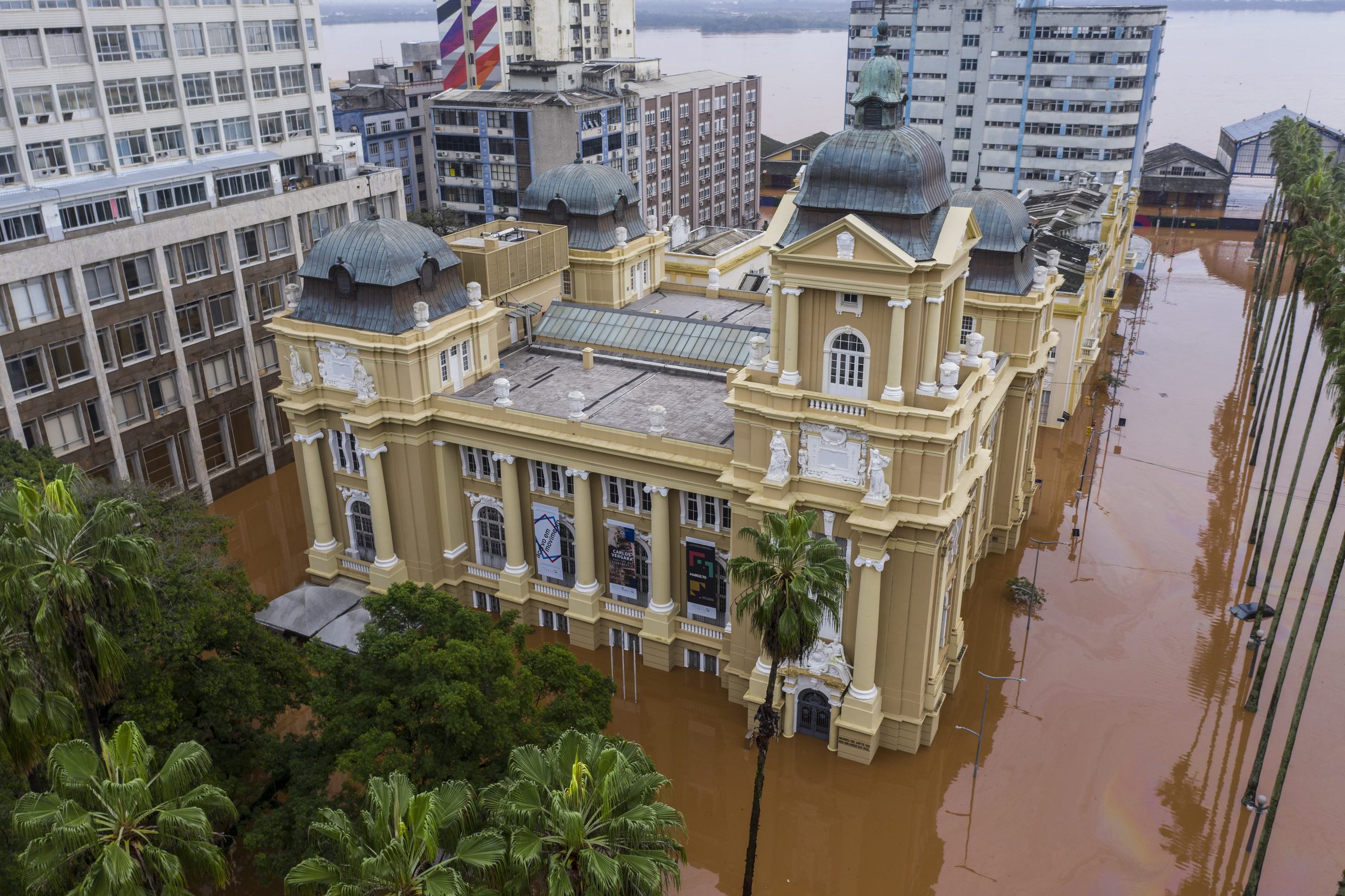
The Museum of Art of Rio Grande do Sul – MARGS is a public institution dedicated to modern and contemporary art in the state of Rio Grande do Sul, Brazil. Its mission is to preserve and promote artistic and cultural heritage by collecting, researching, and presenting the history of art and the visual artistic memory. Founded in 1954, it is the leading art museum in Rio Grande do Sul and one of the most important in Brazil. Since 1978, it has been housed in a historic building in the city of Porto Alegre.
MARGS has two collections:
ART COLLECTION: This collection brings together works of art from the 19th century to the present, encompassing academic art, modern art, and the diverse contemporary visual arts practices (including painting, sculpture, printmaking, ceramics, drawing, textile art, photography, installation, objects, performance, digital art, video, film, and design, among others). It primarily consists of Brazilian art, with an emphasis on artists from Rio Grande do Sul, as well as works by international artists.
DOCUMENTARY COLLECTION: This includes collections of documents and archives (covering the institution’s history, the visual arts field, and the activities of artists and agents within the art system of Rio Grande do Sul), as well as a bibliographic collection (focused on visual arts, art history, and other subjects relevant to the field).
The collections have been digitized and are available at: https://acervo.margs.rs.gov.br/colecoes/
Name of the director of the institution: Francisco Dalcol
Name of the practice, initiative or program nominated: Emergency and recovery plan for the Museum of Art of Rio Grande do Sul – MARGS in response to the major flood that caused partial inundation of the museum in the city of Porto Alegre, Brazil.
Name and position of the professional who leads the practice: Francisco Dalcol, director-curator
Describe the practice, program, or project, what innovative approach is proposed, and in which core museum activities it applies: conservation, education, collection, exhibition programs, publications, research, accessibility, communication, governance, and sustainability.
In May 2024, the Museum of Art of Rio Grande do Sul – MARGS was partially flooded as a result of the major rise of the Guaíba River, which left parts of the city of Porto Alegre underwater. During this extreme event, the museum remained flooded for nearly a month.
The journey faced by MARGS during the largest natural disaster and climate-related tragedy in the history of Rio Grande do Sul began days before the flooding, with the implementation of a preventive emergency plan that involved relocating thousands of artworks from the collection that were housed in the ground-floor storage facilities.
Immediately after the flooding, the Museum’s team, led by its director-curator, Francisco Dalcol, continued to access the building daily by water, using boats and inflatable vessels. In addition to preserving the artworks in the collection, the priority was to ensure the safety of the building, which at that time was without electricity and without on-site security personnel.
Despite these preventive efforts, however, thousands of artworks were affected in some way, due to the reach of the large volume of water and the prolonged effects of humidity within the building.
While the museum was still flooded, an new emergency plan was initiated to stabilize the damage and recover the affected artworks, involving dozens of specialized professionals and technicians from various institutions and universities.
In December 2024, MARGS partially reopened with a thematic exhibition that narrated the journey faced during the flood, at a time when the institution was still in the process of restoring its operational structure and recovering the works of art that had been affected.
Since then, the Museum has been gradually resuming its activities and exhibition program within a new framework of building use and updated safety and preservation standards, while also sharing with the public behind-the-scenes aspects of its recovery and redevelopment process.
Explain in one sentence why you think the project you nominate is outstanding and could serve as an example for the entire community of modern and contemporary art museums.
For the demonstration of strength and resilience in responding to and confronting an extreme natural disaster and climate-related tragedy that severely impacted an art museum and its collection, serving as an example for other museums around the world that may face similar situations of emergency and recovery.
Explain why this practice or program is relevant and sustainable in creating meaningful and lasting connections with people, communities, and the museum context with a medium to long-term vision.
The recovery actions undertaken by MARGS following the 2024 flood aim not only to restore the Museum, but also to update and enhance it, with the objective of expanding its prevention and safety infrastructure and resources to a new standard of preservation for its artistic, cultural, and architectural heritage.
This entire process also involves a profound reimagining of the use of the building’s internal spaces and of the Museum’s operations themselves, adapting and transforming them in response to new safety and preservation requirements. From this perspective, the Museum is not only being restored after the damage caused by the flood, but is also being prepared to confront and mitigate the consequences of future extreme climate events.
In this way, the recovery and enhancement actions seek to safeguard and sustain the Museum and its collection, ensuring their transmission to the future and to coming generations.
What are the outcomes of the practice you are most proud of?
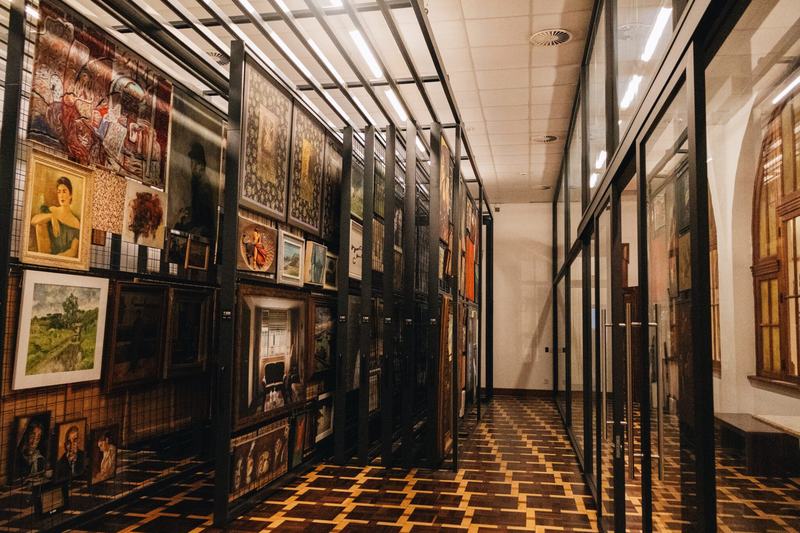
The main and most visible outcome of MARGS’s recovery plan was the creation of a new collection storage facility, replacing the one that had previously operated on the ground floor, which was partially flooded.
This new storage facility was installed on an upper level of the building, in an area that had formerly housed exhibition galleries. It was conceived in a different way, introducing a significant new feature: it became visible and integrated into the public visitor route.
In addition to providing greater protection for the artworks in the collection—by mitigating the impacts of future extreme climate events—the visible storage facility was designed to allow the Museum to reveal to visitors what is typically “invisible” to the public. By becoming part of the exhibition and visitation path, it offers insight into the processes of safeguarding and conserving the artworks in the collection.
How has the nominated practice changed your methods and ways of working?
The principal change was the reduction of exhibition spaces in order to relocate the collection storage facility from the ground floor to a higher level within the building. This required a profound internal reorganization, involving the Museum’s operational infrastructure itself, including the climate control system, which was relocated and reconfigured to ensure the proper conservation of the artworks in the collection.
Another impact concerned operations and protocols related to safety, risk management, and emergency response. Although the Museum is located near the Guaíba River, these protocols had previously addressed only situations caused by internal hydraulic issues within the building.
A further change was the implementation of continuous monitoring of weather conditions and of water levels in the river basin surrounding the city of Porto Alegre.
However, the most significant change was the prohibition of using the ground floor for the storage of artworks, heritage assets, and documents, designating it instead as a level designed for rapid and efficient evacuation.