Museu Vassouras
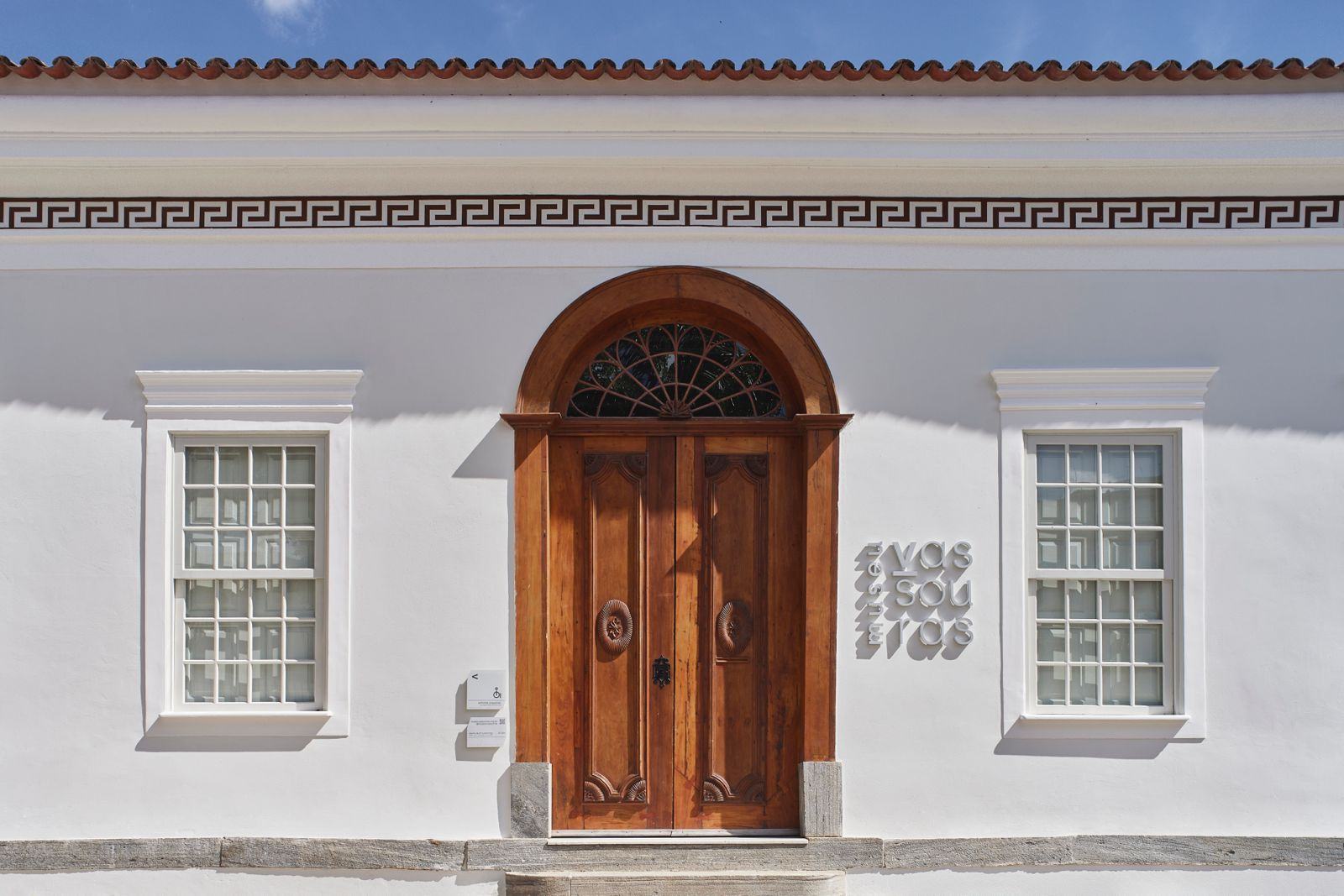
Museu Vassouras is a cultural institution housed in a historical building from 1848 with more than 3.300m2, originally built as the first hospital in the city of Vassouras. Rebuilt after a great fire in 2008 and almost falling into a ruin, the institution was inaugurated in December 2025. Dedicated to fostering interdisciplinary practices and strengthening territorial connections of the Coffee Valley region in southern Rio de Janeiro, Brazil, the museum operates as a lively space where culture, art, and education intersect to generate social impact.
Its institutional concept emerged from a year-long listening project, Voices of the Valley, where community leaders, educators, health professionals, spiritual leaders, artists, musicians, and agricultural workers shared their visions of the territory. This participatory process shaped the museum’s vocation, ensuring its mission is grounded in local realities and responsive to community needs.
Rather than maintaining a fixed object-based collection, Museu Vassouras prioritizes supporting local cultural activities and commissioning contemporary artistic practices. It operates in a regional context where no other institution is dedicated to these approaches, positioning itself as a unique platform for artistic production and exchange. While not exclusively a modern and contemporary art museum, it foregrounds contemporary practices in dialogue with local histories and heritage.
Managed by Instituto Vassouras Cultural (IVC), a private non-profit institute founded in 2017, the museum promotes cultural action as a driver of social cohesion and sustainable regional development.
Name of the director of the institution: Catarina Duncan
Name of the practice, initiative or program nominated: Museu Vassouras - Programa Pertencimento
Name and position of the professional who leads the practice: Catarina Duncan - Artistic Director / Luana
Oliveira - Educational Coordinator / JA.CA
Center - Educational Implementation / Rosa Melo- Executive Coordinator
Describe the practice, program, or project, what innovative approach is proposed, and in which core museum activities it applies: conservation, education, collection, exhibition programs, publications, research, accessibility, communication, governance, and sustainability.
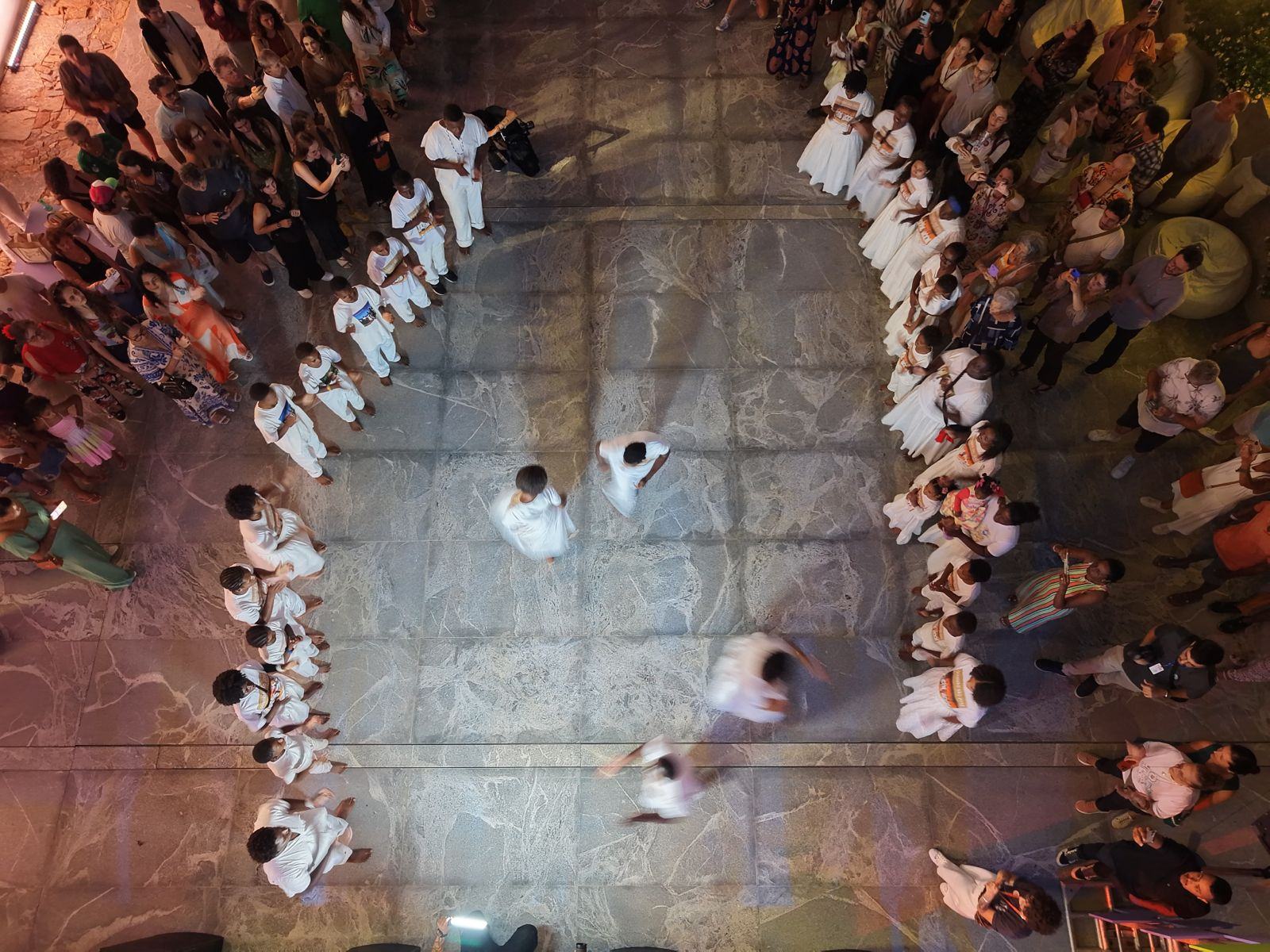
The program nominated is the educational and public program of Museu Vassouras, directly connected to the artistic, executive and educational areas of the museum with the realization of two publications, three major events and weekly workshops and visits. Since its opening, Museu Vassouras has developed an extensive public program with local festivities such as Jongo and Folia de Reis aside to contemporary practices of HipHop and rap culture. Our educational activities have unfolded on weekly workshops and monthly training courses for teachers and school leaders with artists and external participants. The museum has welcomed over 22,000 visitors in a city of approximately 30,000 inhabitants, demonstrating strong local impact and regional reach across a network of 14 municipalities in the Coffee Valley.
The museum’s practice is grounded in a community-oriented approach that integrates education, exhibition, and research. A weekly educational program hosts school groups from diverse regions allowing a large number of children and students to have access to contemporary art for the first time. While continuous training initiatives engage educators from both public and private systems to research artists and their own local stories focused on afro-indigenous culture. Regular workshops and public activities, held every Sunday, foster ongoing participation and accessibility.
Its innovative approach lies in the integration of long-duration exhibitions with active educational programming. This model challenges conventional exhibition formats by emphasizing process, dialogue, and co-creation between internal teams and with local communities.
The program prioritizes local narratives while connecting them to broader discussions on heritage, memory, and contemporary cultural practices. By bridging traditional knowledge and contemporary perspectives, Museu Vassouras operates across core museum activities, including education, exhibition, research, communication, and accessibility.
Explain in one sentence why you think the project you nominate is outstanding and could serve as an example for the entire community of modern and contemporary art museums.
A contemporary latin american museum integrated to its territory that redefines institutional practice by activating local contexts as sites for critical reflection and contemporary cultural production in a rural area of Rio de Janeiro.
Explain why this practice or program is relevant and sustainable in creating meaningful and lasting connections with people, communities, and the museum context with a medium to long-term vision.
This museum practice is rooted in the museum’s founding framework, Voices of the Valley, which positions the institution as a platform for addressing historical inequalities in the region. Responding to its colonial legacy—marked by slavery, monoculture, and enduring social disparities—the program fosters an inclusive, intersectional, and territorially grounded approach to education and cultural production. By recognizing local traditional masters and community leaders as active agents, the museum builds relationships based on trust. This approach enables historically marginalized communities to reclaim and reinterpret their narratives while engaging with contemporary artistic practices. Its long-term vision lies in creating an institution, where local participation, education, and artistic exchange are interconnected, ensuring the museum remains a relevant, living institution embedded in the social and cultural fabric of its territory.
What are the outcomes of the practice you are most proud of?
The educational program Programa Pertencimento has reached over 10,000 participants in just three months, through partnerships with local education departments, school visits, and initiatives that engage entire school communities and families. The development of an educational publication, freely distributed to teachers and students presents great impact. This work has expanded access to culture while fostering a sense of belonging and collective participation.
Our exhibitions actively reframe narratives of Afro-Indigenous populations in the region, emphasizing their histories of resilience, cultural production, and transformation. By commissioning works that document local forms of resistance and developing public programs that engage the body as a tool for political and social expression, the museum creates space for critical dialogue.
The most significant outcome is the regeneration of social and cultural bonds historically shaped by exclusion. Local rural communities, often distanced from institutional art spaces, now actively participate, debate, and recognize their own heritage within the museum, transforming it into a shared and living space.
How has the nominated practice changed your methods and ways of working?
This practice has radically shifted our methodology from a traditional "curator-led" model to a "territory-led" approach. We no longer conceive exhibitions in isolation; our curatorial research begins in the field, listening to local leaders and understanding the urgency of the people and the landscape. It has taught us the critical value of slowing down institutional timelines to respect the organic, lived time of traditional communities.