Museu Oscar Niemeyer
The Oscar Niemeyer Museum (MON) is a museum located in Curitiba, Paraná, Brazil, linked to the Paraná State Secretariat of Culture. Inaugurated on November 22, 2002, it is housed in two iconic buildings designed by the Brazilian architect Oscar Niemeyer. With more than 15 exhibition spaces, approximately 20 exhibitions are held each year, attracting over 720,000 visitors in 2025. MON is the largest art museum in Latin America and focuses on visual arts, architecture, and design. Its collection comprises more than 14,000 works by renowned artists from around the world, with particular emphasis on collections of Asian art, African art, and the work of local artist Poty Lazzarotto. MON is committed to making its exhibitions and programming as accessible, democratic, and inclusive as possible through innovative and successful strategies.
Name of the director of the institution: Juliana Vellozo Almeida Vosnika
Name of the practice, initiative or program nominated: MON: Arte sem Limites / MON: Limitless art
Name and position of the professional who leads the practice: Juliana Vellozo Almeida Vosnika - CEO
Describe the practice, program, or project, what innovative approach is proposed, and in which core museum activities it applies: conservation, education, collection, exhibition programs, publications, research, accessibility, communication, governance, and sustainability.
MON: Limitless Art is Oscar Niemeyer Museum's broad-spectrum project, developed with the aim of diversifying the Museum's audiences and including historically marginalized communities. Initially, the program focused on two priority groups: people with disabilities and people who do not see themselves as potential audiences for an art museum due to educational and attitudinal barriers.
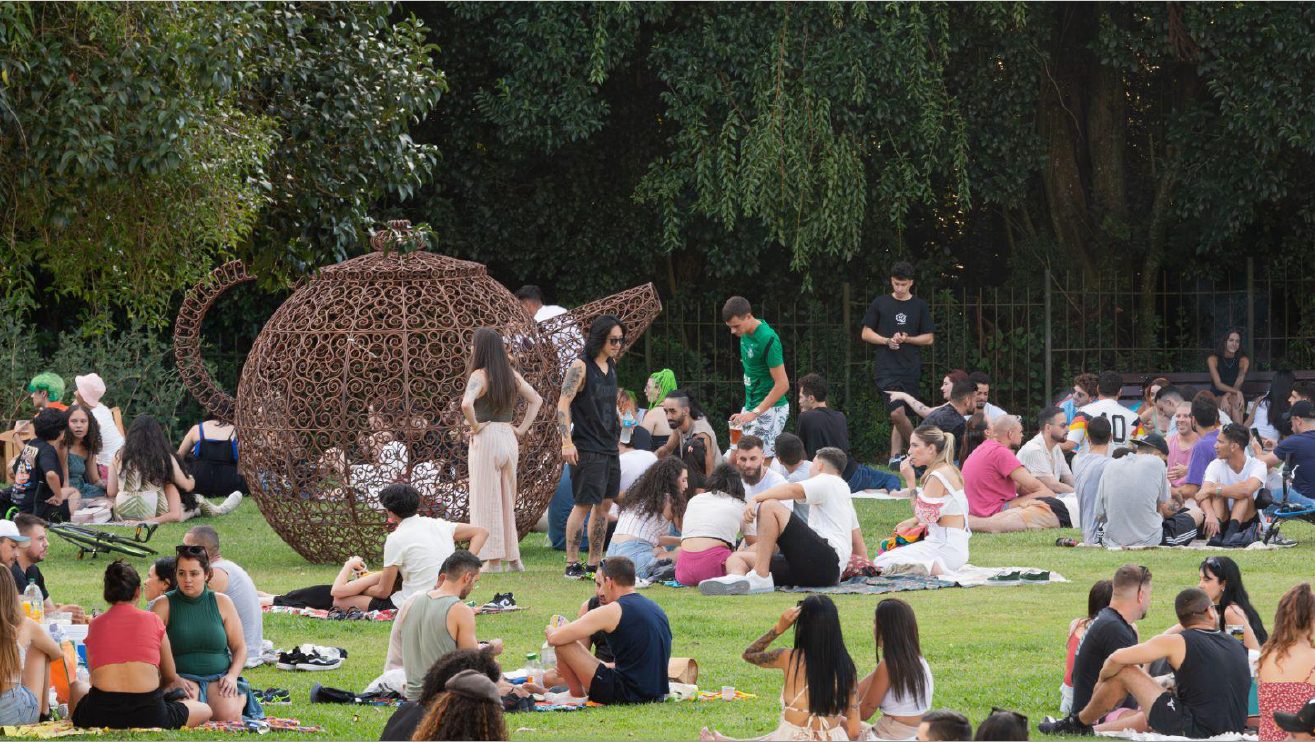
The program then focused on two central activities of the museum's work: accessibility and exhibition programming. In the area of accessibility, MON expanded the resources available to blind, deaf, and autistic people with pioneering initiatives recognized internationally. In the area of exhibition programming, the Museum broadened its horizons and occupied the green area surrounding the Museum with large-format, freely accessible interactive works, inviting new audiences to experience art and get closer to the Museum.
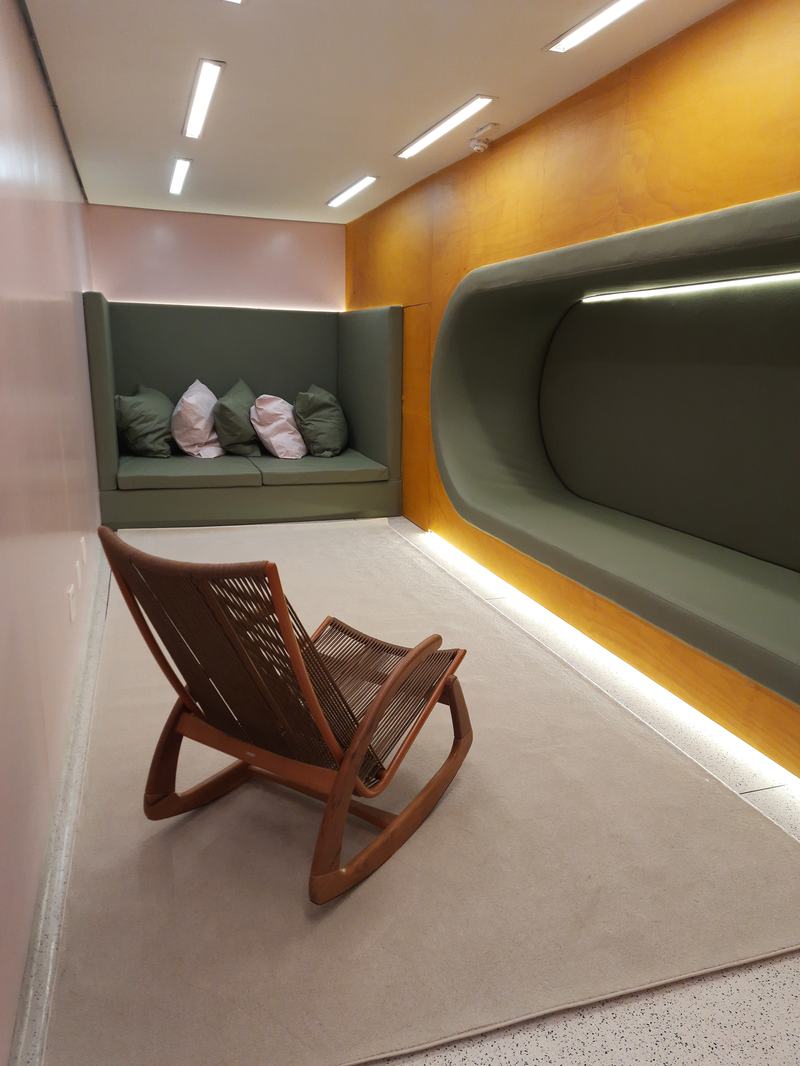
For people with disabilities, the Museum runs the MON for All program, which provides blind people with tactile models of the Museum's buildings, tactile replicas of artworks, texts in Braille, audio, and enlarged print in all exhibitions. For deaf people, MON offers video content and a Brazilian Sign Language (Libras) interpreter. For autistic people, MON created the Sensory Accommodation Room, the first in a museum in Brazil, and developed online tools for visit planning.
With the MON Without Walls initiative, the Museum expands its exhibition areas to non-traditional spaces with free access to attract new audiences. This brings it closer to its community and establishes new possibilities for dialogue and direct experience with art. This multisensory approach at various levels facilitates access for those who have little interest in museums because they do not see themselves as part of its audience, have difficulty understanding the content presented, or have little contact with art.
Explain in one sentence why you think the project you nominate is outstanding and could serve as an example for the entire community of modern and contemporary art museums.
The actions were developed from the institution's genuine commitment to considering both the museum's audiences and non-audiences with empathy and closeness, seeking to remove real and symbolic barriers that limit access to contemporary art and cultural participation.
Explain why this practice or program is relevant and sustainable in creating meaningful and lasting connections with people, communities, and the museum context with a medium to long-term vision.
The MON: Limitless Art project has transformed the Museum's internal and external spaces to broaden access to art for new audiences.
The exhibitions and educational activities have received resources that ensure greater access for people with visual and hearing impairments, as well as autistic individuals. This process included historically marginalized groups in the creation, testing, validation, and decision-making process, allowing for precise and successful interventions. Aiming to meet audiences where they are, the program also explored non-traditional exhibition spaces and transformed their uses as a way to diversify MON's audiences and deconstruct barriers. Whether in the surrounding green areas or in the Vila Velha geological park, the initiatives create a dialogue between MON's collection, art, and nature, creating opportunities for non-publics to experience and live art in more informal contexts than the Museum.
What are the outcomes of the practice you are most proud of?
We are proud of the diversification of the Museum's audience, as it was possible to detect the effective expansion of access for people with disabilities, their families, and their companions. There was also an increase in cultural participation with the expansion of the Museum's reach to people who faced barriers to attending the Museum and potential non-visitors.
The MON: Limitless Art program also encouraged spontaneous engagement with contemporary works of art by occupying outdoor spaces. In addition, it fostered dialogue between the production of contemporary artists and ancient rock formations that are part of the geological natural heritage of the Vila Velha State Park, a space that also received interventions from MON through the program.
How has the nominated practice changed your methods and ways of working?
MON: Limitless Art has instilled in all hierarchical levels of the MON a genuine concern for democratization and a continuous effort to deconstruct barriers and include new audiences.
From this initiative, it was possible to perceive a sense of belonging among people with disabilities who visit MON. Furthermore, the new accessibility proposals developed began to include people with disabilities in leadership positions or testing the developed resources, further expanding access and participation for these audiences.
Since then, the democratization of art has been understood as the main mission of the MON. The pioneering MON Without Walls initiative was expanded, with new works in the Museum's outdoor area and also in Vila Velha State Park, in dialogue with Brazilian natural heritage.