Museu Bispo do Rosario Arte Contemporânea
The Museu Bispo do Rosario Arte Contemporânea is dedicated to the preservation, conservation, and dissemination of Arthur Bispo do Rosario’s oeuvre, while fostering a continuous dialogue with contemporary art practices. It operates as an expanded museum, comprising three distinct units within the Colônia Juliano Moreira: the headquarters — which also houses the Ateliê Gaia — the Memorial of Art and Resistance, and the Pedra Branca Culture and Community Center.
Located on the grounds of what was the largest psychiatric hospital complex in 20th-century Rio de Janeiro, the Museum is deeply rooted in anti-racist and anti-asylum policies. It is committed to promoting mental health and social well-being through artistic practices and educational programs tailored to its local territory.
The museum positions itself as a catalyst for social and material transformation, re-signifying a geography where thousands were once deprived of their liberty. By doing so, it creates avenues to amplify community engagement through territorial actions, exhibitions, and public programming.
Name of the director of the institution: Alexandre Freire Teixeira Trino
Name of the practice, initiative or program nominated: Work and Income Generation Program
Name and position of the professional who leads the practice: Marcelle Azêvedo R. de Souza / Work and Income Generation Program Coordinator
Describe the practice, program, or project, what innovative approach is proposed, and in which core museum activities it applies: conservation, education, collection, exhibition programs, publications, research, accessibility, communication, governance, and sustainability.
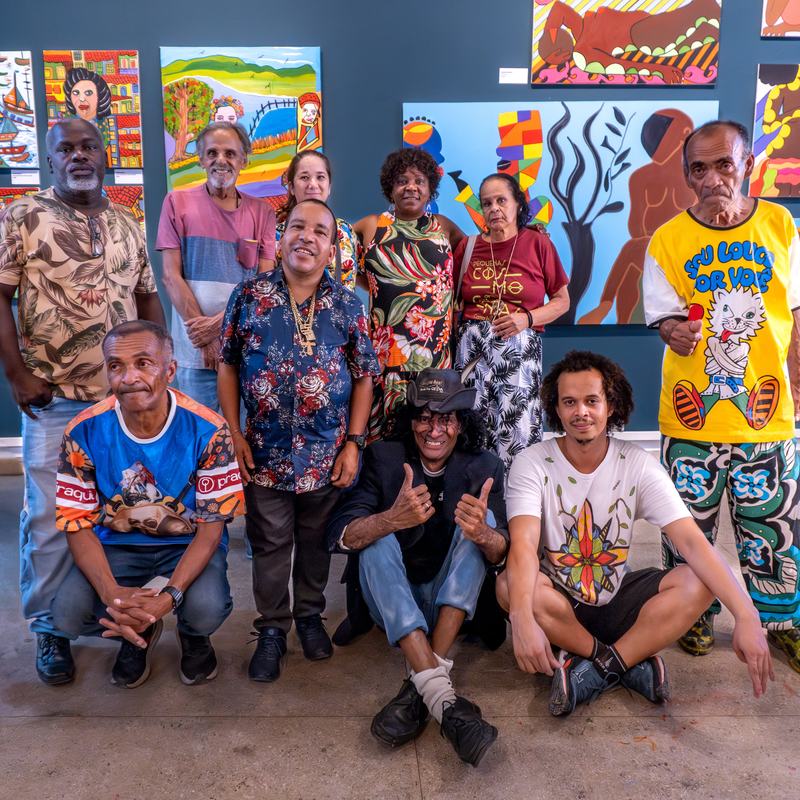
The Work and Income Generation Program operates at the forefront of socio-productive inclusion, integrating users of the Psychosocial Care Network (RAPS) with the local community. Guided by the principles of solidarity economy and agroecology, the program fosters autonomy, cooperation, and sustainability, ensuring holistic and collective health.
The Program is structured across five core segments:
- Bistrô do Bispo: A culinary and food-service social enterprise.
- Ateliê Gaia: A studio for artistic creation, mentorship, and sustained practice for local artists, including those whose lives were impacted by psychiatric institutionalization.
- Agroecological Garden: A space for the cultivation of nutritional, ornamental, and medicinal plants.
- Ateliê Fios do Rosário: An artistic studio providing training in accessory design, tailoring, embroidery, and mosaic.
- Loja B: A commercial outlet for the art and craftsmanship produced within the workshops.
This program is intrinsically linked to the museum’s curatorial practices and artistic programming. Participants cohabit exhibition and educational spaces with diverse artists from the contemporary circuit, fostering an ecosystem where art and care coexist.
By integrating museological practices with territorial action, the program strengthens social networks and promotes an expanded definition of health. Simultaneously, it provides income generation for individuals impacted by the asylum system—many of whom were institutionalized for decades. This synergy between the museum and its territory serves as a concrete vehicle for the reinvention of life and the establishment of financial sustainability, reaffirming the participants' autonomy as subjects.
Explain in one sentence why you think the project you nominate is outstanding and could serve as an example for the entire community of modern and contemporary art museums.
The project is exceptional for expanding the boundaries of contemporary art toward practices of psychosocial and environmental integration, offering a preeminent example of how museums can catalyze not only symbolic but also material transformation in the lives of hundreds of people.
Explain why this practice or program is relevant and sustainable in creating meaningful and lasting connections with people, communities, and the museum context with a medium to long-term vision.
The Program directly confronts the legacy of the Brazilian asylum system, which was rooted in hygienist policies and the mass incarceration of social groups that defied the hegemonic urban reforms of the early 20th century. Aligned with the decolonial reparative perspectives of the Museu Bispo do Rosario, the Work and Income Generation Program directly impacts the lives of those affected by colonial power dynamics based on racial, gender, and ableist hierarchies. By operating within territories marked by systemic violence, the Program demonstrates that the Museum exists through community collaboration, utilizing art as a medium to forge increasingly resilient and ethical connections.
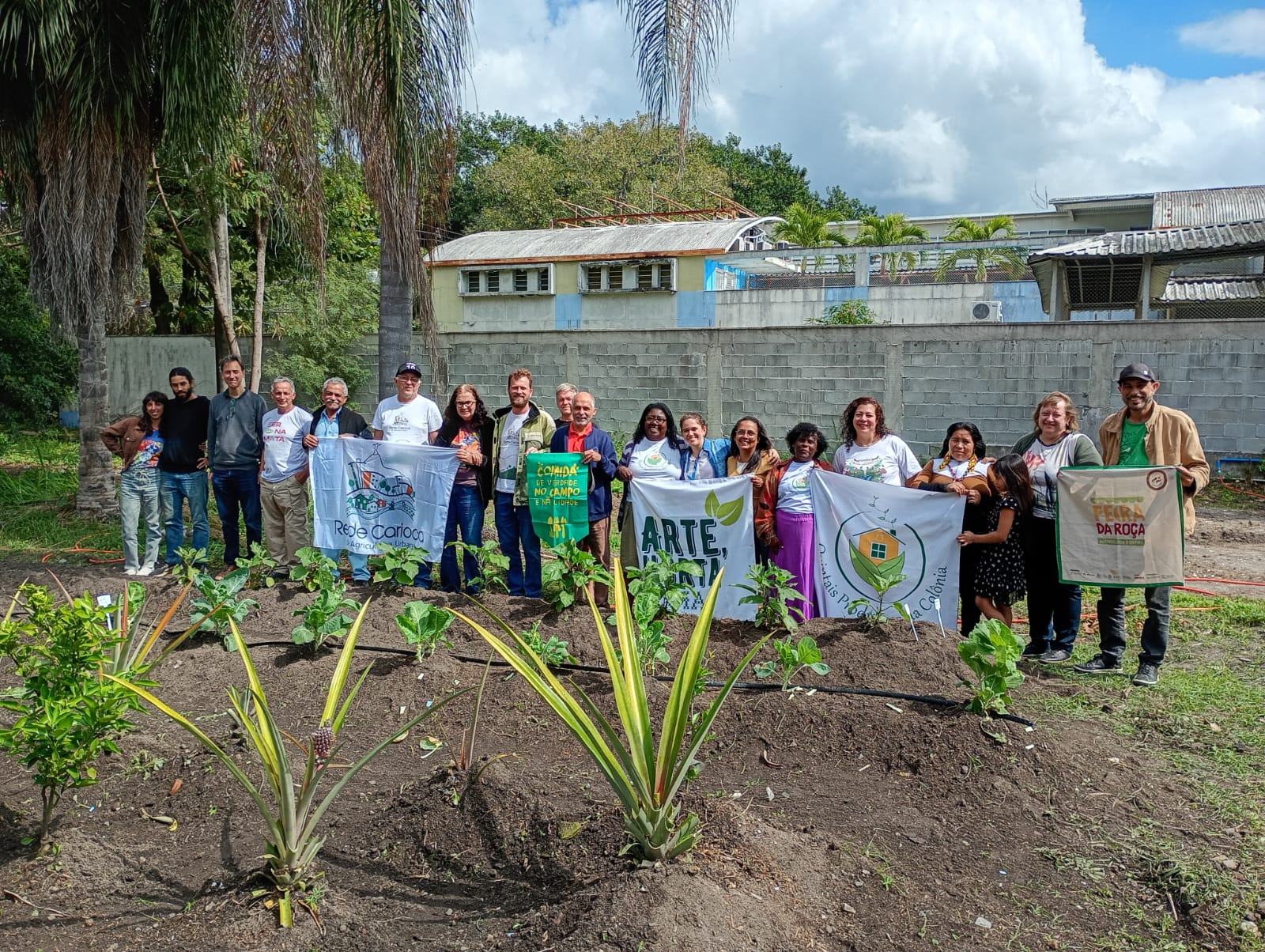
The Arte, Horta & Cia segment, for instance, is structured around agroecology, the principle of "Buen Vivir" (Well-Being), and social technologies grounded in participatory action and the solidarity economy. The project contributes to mitigating climate impacts associated with extreme events—such as urban heat islands, biodiversity loss, and emissions from improper organic waste management. The effects of this work resonate throughout the local community by fostering environmental regeneration and strengthening the social fabric. Its relevance lies in proving that effective climate solutions can transform degraded spaces into living infrastructures of urban resilience.
What are the outcomes of the practice you are most proud of?
The program’s primary achievements include:
Socio-productive inclusion and income distribution for hundreds over twenty-four years through workshops in tailoring, embroidery, mosaic, bio-jewelry, culinary arts, and urban agriculture;
Artistic circulation of Ateliê Gaia in major national fairs and exhibitions;
Institutional pioneering, achieving the first organic certification for a public institution in Rio de Janeiro. Recognition includes the Paul Singer Solidarity Economy Award and the Nise da Silveira Award for Mental Health Inclusion;
Environmental impact since 2021: restoring degraded land and composting 5.1 tons of organic waste with 200 families. This mitigated 3.93 tons of $CO_2$ equivalent, contributing to microclimate regulation;
Strengthening socio-biodiversity through active participation in territorial networks, such as the Heirloom Seed Guardians.
By integrating museological practices with social technology, the program proves that contemporary art can serve as a concrete engine for ecological resilience and social justice.
How has the nominated practice changed your methods and ways of working?
The Work and Income Generation Program fosters a deep immersion at the intersection of art, mental health, and socio-environmental justice by mobilizing collaborative practices between the Museum’s various departments and the local community. The active presence of participants within the exhibition programs is essential, as it challenges and reconfigures institutional positioning and curatorial practices.
Daily engagement with local families ensures a continuous refinement of methodologies, where the cultivation of social bonds and territorial belonging serve as the core pillars of the pedagogies of labor. Within this framework, fair trade, solidarity-based income distribution, and the self-management of communal spaces reflect a dynamic ecosystem of relations. These activities transcend mere material production, establishing enduring connections between the community, the workers, and the museum space. Ultimately, the program reaffirms practices of care, autonomy, and the reinvention of life within vulnerable urban contexts.