Museo en los Cerros (MEC)
Museo en los Cerros is a photography museum located in the Quebrada de Humahuaca, Jujuy, in northern Argentina, dedicated to modern and contemporary photographic practices with a focus on Latin American visual culture.
The museum is situated in a remote region where, for centuries, communities connected to the land have understood territory as a living concept rooted in care, commitment, and shared value. This condition is foundational, shaping the institution’s understanding of its role and its engagement with artistic practice.
Its permanent collection brings together key works by leading figures in Latin American photography, including Graciela Iturbide, Sebastião Salgado, Marcos López, Luis González Palma, Alessandra Sanguinetti, Facundo de Zuviría, Horacio Coppola, Adriana Lestido, Manuel Álvarez Bravo, and Martín Chambi, whose practices reflect a wide spectrum of historical and contemporary approaches to image-making in the region. A substantial part of the collection has been formed through donations by the artists themselves or their families, establishing long-term relationships that sustain the project.
The collection is conceived as a dynamic field of inquiry that supports research, dialogue, and the ongoing reinterpretation of photographic practices. In this sense, the museum contributes to the decentralization of access to contemporary art, while maintaining a strong commitment to accessibility, critical engagement, and regional cultural relevance.
Name of the director of the institution: Lucio Boschi
Name of the practice, initiative or program nominated: Education program based on Photography
Name and position of the professional who leads the practice: Sebastián Szyd
Describe the practice, program, or project, what innovative approach is proposed, and in which core museum activities it applies: conservation, education, collection, exhibition programs, publications, research, accessibility, communication, governance, and sustainability.
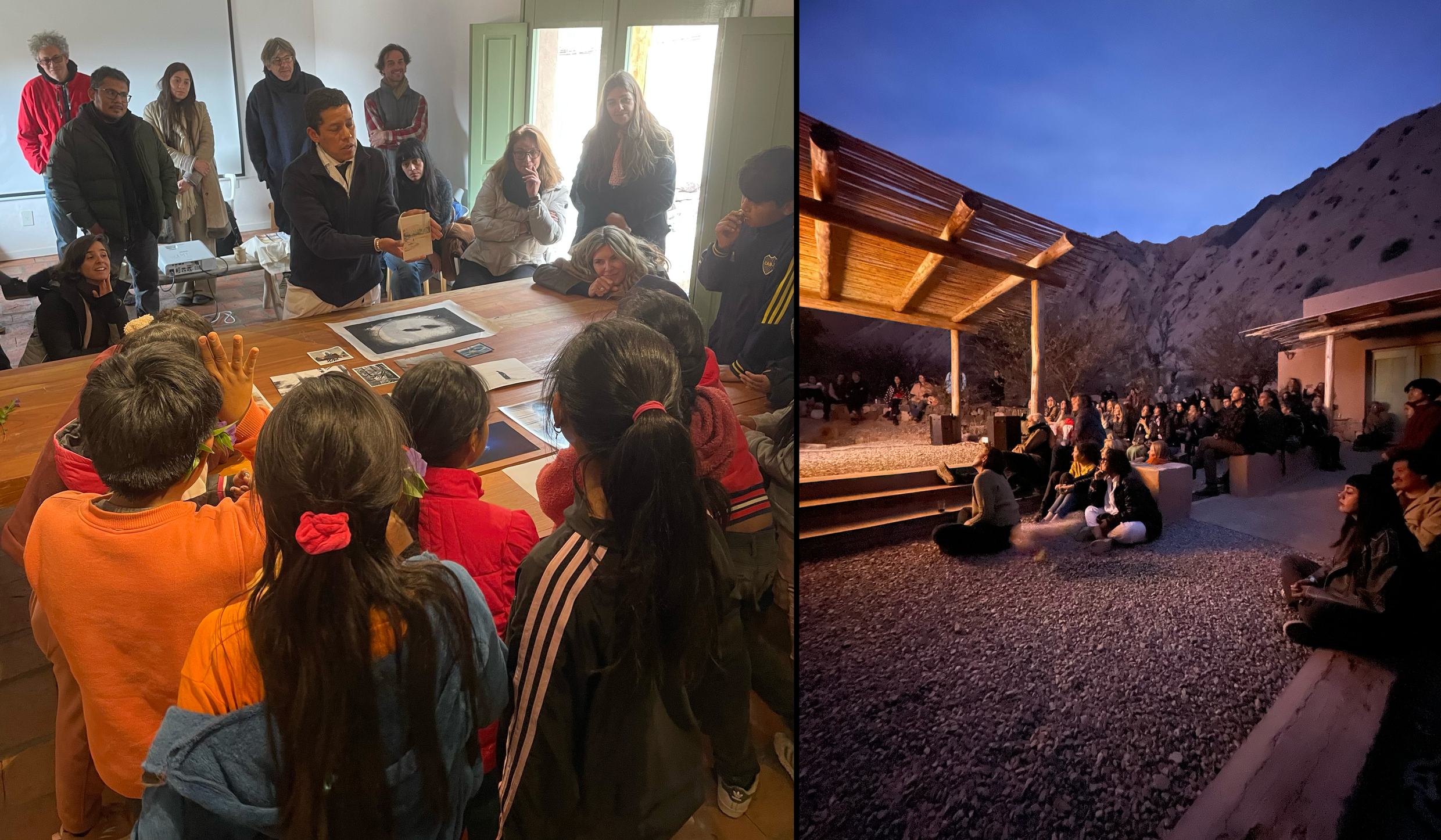
The MEC Program was established in 2025 as a photography initiative, though from the beginning it was not conceived as a technical training program. It emerged instead as a space to think through artistic practice collectively, using photography as a point of departure rather than a fixed discipline.
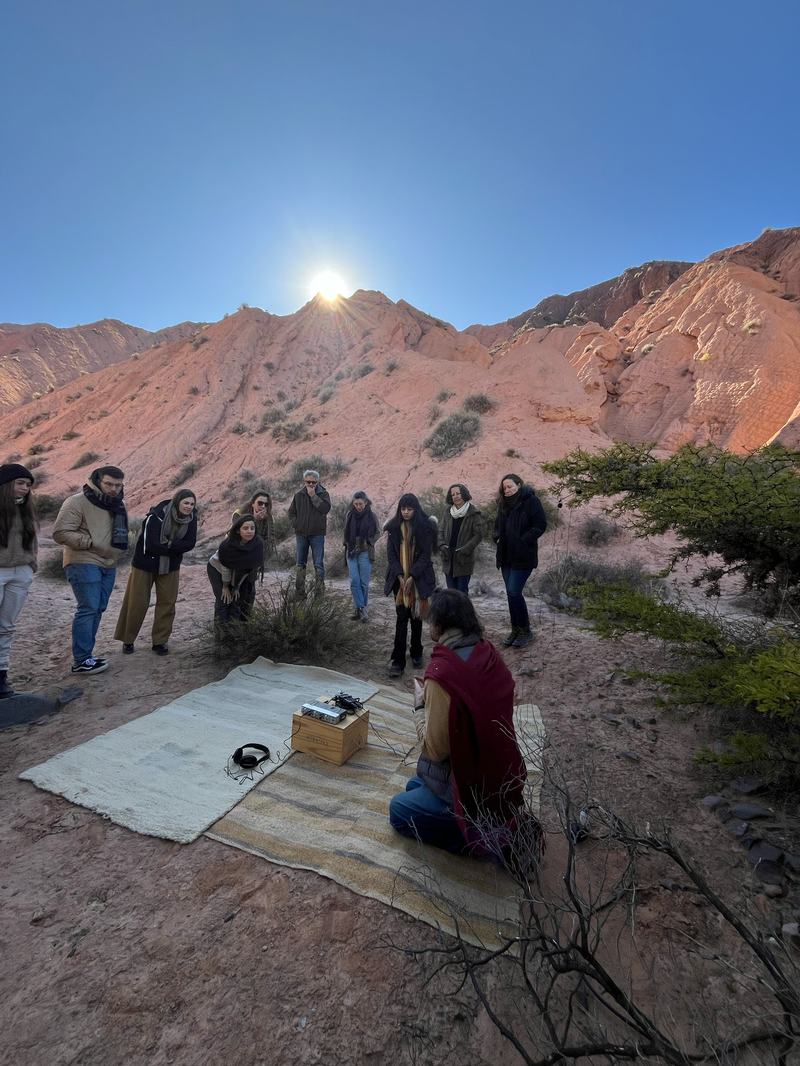
Our museum is located in the Quebrada de Humahuaca, in the deep mountains of northern Argentina. The conditions of this place shape the work of the participants in a very direct way. Territory is understood as something lived and shared, marked by long-standing relationships between community, landscape, and memory. That proximity affects the pace of the program and the way participants engage with their own work.
What we propose is a way of working that gives time to reflection. Participants are encouraged to move beyond photography as representation and to consider it as a tool for understanding, for registering experience, and for positioning themselves in relation to a specific time and context.
The structure of the program unfolds through three moments over the course of the year: Idea, Tools, and Sharing, which allow each participant time to develop a body of work and to bring it into dialogue with others. As a non-negotiable principle, we believe that the program should be free of charge. This is essential to its conception, which seeks to create opportunities for anyone interested in deepening their practice. It is sustained through the involvement of invited artists who do not charge, as they understand the importance of their presence in this context. They contribute in different ways, sometimes through formal sessions, but often through conversations, walks, or more informal exchanges.
Not everything is defined in advance, and that is intentional. Much of what the program produces comes from the encounters that take place there. It concludes with a public presentation with the local community. This is not only a moment to show work, but a way of returning it to the context in which it was developed and opening it to a broader exchange.
Explain in one sentence why you think the project you nominate is outstanding and could serve as an example for the entire community of modern and contemporary art museums.
It shows that it is possible to work at a high artistic level outside established centers and to be an inclusive program that provides opportunities for people regardless of economic condition, age, or any other circumstance.
Explain why this practice or program is relevant and sustainable in creating meaningful and lasting connections with people, communities, and the museum context with a medium to long-term vision.
The program is grounded in a context where the relationship between territory and community is still active and visible. This is not a backdrop but a condition that shapes how the program operates.
Because of this, what happens during the program does not end with it. Relationships continue, and so do the lines of work that begin there.
Its sustainability comes from that continuity, but also from a structure that remains relatively light: open access, shared responsibility, and a way of working that adapts to its context rather than imposing itself on it.
What are the outcomes of the practice you are most proud of?
One of its strongest outcomes has been to open access to a type of artistic formation that, in Argentina, is still largely concentrated in major cities.
Working in a remote setting made it possible to bring together established artists from across the region while also reaching participants who would not normally have access to these spaces.
The group was diverse in age and background, but what stood out was the level of commitment. Everyone completed the program. More importantly, many have stayed connected to it and have taken part in later stages of its development.
How has the nominated practice changed your methods and ways of working?
The program has changed how we understand our role as an institution.
It made clear that our work is not only to preserve and exhibit, but also to create the conditions in which new practices can emerge. The exchanges between participants and key figures in Latin American art, including invited artists, were central to this, as they allowed for a more direct and less mediated form of engagement.
Since then, we think of the museum less as a place where things arrive finished, and more as a space where processes can take shape and remain in circulation.