Ludwig Museum Koblenz
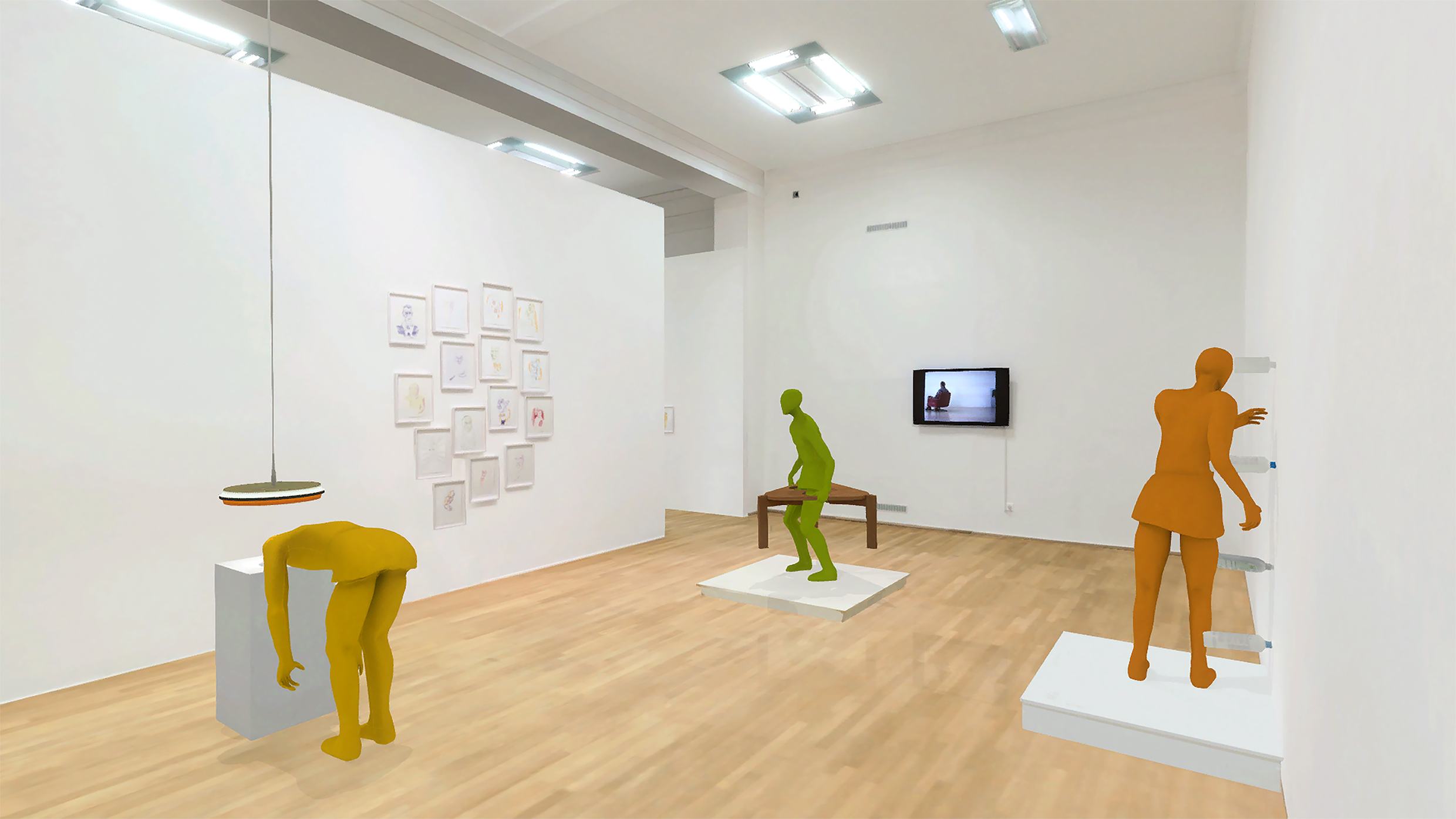
Ludwig Museum Koblenz is a contemporary art museum whose collection and program focus on modern and contemporary art, with a distinctive emphasis on French art after 1945 in dialogue with German, American, and international positions. Conceived as a contemporary museum from its founding, the museum was established in 1992 on the basis of works donated by Peter and Irene Ludwig. Its collection includes about 300 objects and features key works by artists such as Pablo Picasso, Max Ernst, Man Ray, Jasper Johns, Willem de Kooning, Robert Rauschenberg, Christian Boltanski, Daniel Buren, Jean Dubuffet, Niki de Saint Phalle, Jean Tinguely, and Bernar Venet. The collection is especially strong in postwar French art, including Nouveau Réalisme, Fluxus, Concept Art, Support/Surface, and related transnational developments. Alongside its permanent holdings, the museum presents temporary exhibitions and collection interventions that connect historical positions with current international artistic practices. This combination of collection-based depth and contemporary experimentation defines Ludwig Museum Koblenz as a modern and contemporary art museum with a clear institutional identity.
Name of the director of the institution: Prof. Dr. Beate Reifenscheid
Name of the practice, initiative or program nominated: Ludwig Museum Koblenz Digital Twin Edition: Extending Physical Contemporary Exhibitions into Persistent, Walkable, AI-Mediated Online Access
Name and position of the professional who leads the practice: Prof. Dr. Beate Reifenscheid, Director
Describe the practice, program, or project, what innovative approach is proposed, and in which core museum activities it applies: conservation, education, collection, exhibition programs, publications, research, accessibility, communication, governance, and sustainability.
The Ludwig Museum Koblenz has developed a practice whereby temporary exhibitions are made available online after the physical installation has closed. The first full implementation of this practice is the exhibition: Life Beat Soft Melt / Digital Twin Edition. The physical exhibition was presented at the museum from 5 September to 23 November 2025, and has been accessible online as a fully walkable digital twin since 19 December 2025, allowing visitors to explore it from home.
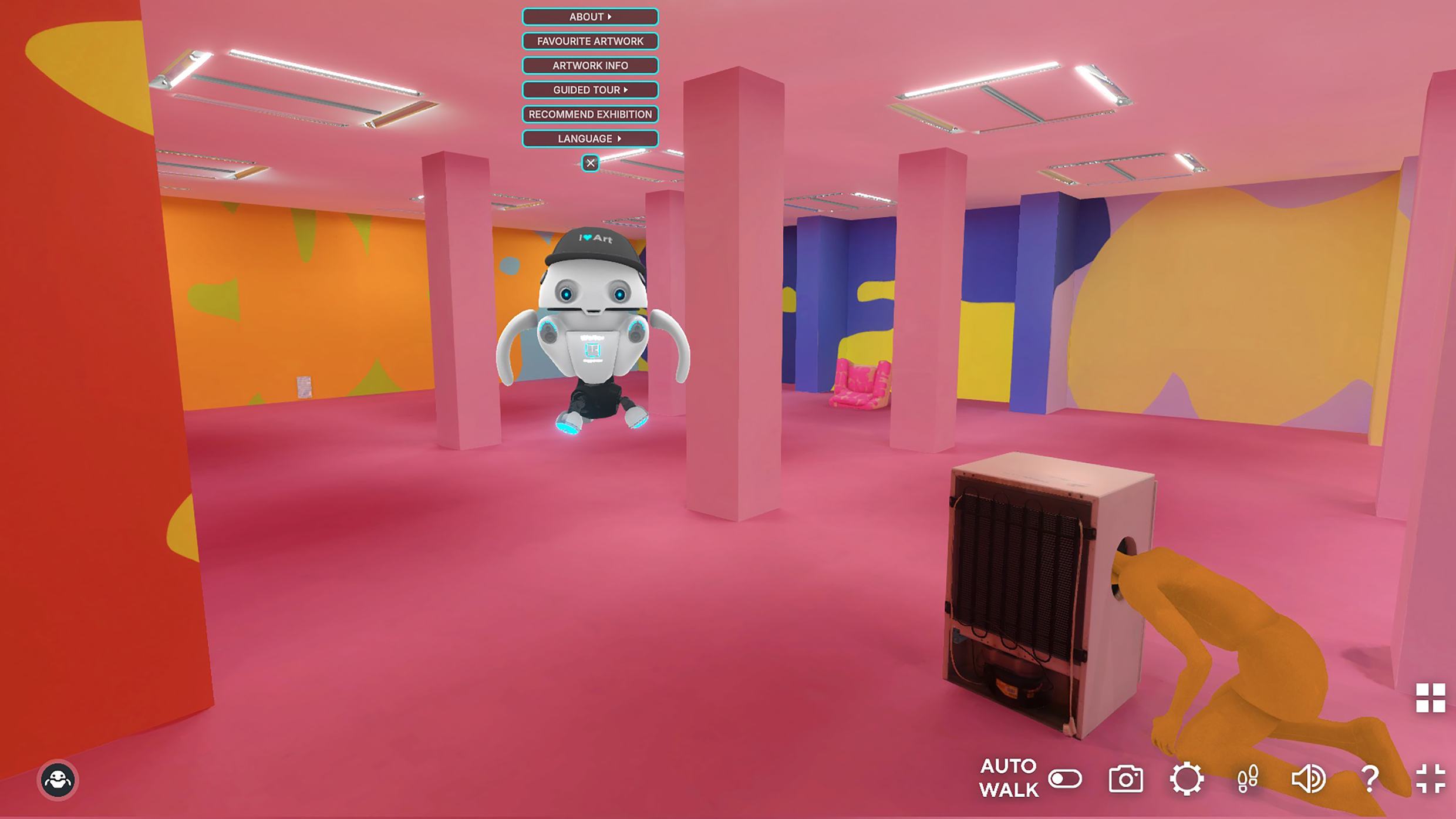
The practice preserves the visual appearance of the exhibition and the physical experience of visitors, through which meaning emerges: movement, scale, orientation, perspective and participation. According to the Ludwig Museum, the project is a real-time, multi-user 3D environment that is accessible 24/7 on desktop and mobile devices.
Its most distinctive innovation is the treatment of Erwin Wurm’s participatory One Minute Sculptures. During the physical exhibition, visitor activations were captured using motion-scanning technology and translated into avatar-based “meta sculptures” inside the digital twin. Ludwig Museum presents this as the first exhibition to digitize visitor interactions as sculptural acts, creating a new way to preserve participatory art beyond conventional photo or video documentation.
The exhibition was co-curated by Prof. Dr. Beate Reifenscheid and Jérôme Sans. It also integrates Walter, an AI Art Mediator developed by Walter’s Cube, offering guided tours, multilingual explanations, and real-time conversation inside the digital twin. Walter’s Cube serves here as the enabling technology partner. Artnet News included Walter’s Cube founder Balázs Faragó in its 2020 New Innovators list and reported that more than 500 galleries and institutions had already digitized their spaces on the platform. Walter’s Cube also worked in close technical and logistical cooperation on Hidden Statement – Art in Afghanistan, initiated by Nassauischer Kunstverein Wiesbaden with partners including Goethe-Institut Rome, German Academy Rome Villa Massimo, Hochschule für Gestaltung Offenbach, weißensee school of art and design berlin.
Taken together, this practice connects exhibition-making, digital preservation, accessibility, and art mediation in a form that can outlast the temporary exhibition itself.
Explain in one sentence why you think the project you nominate is outstanding and could serve as an example for the entire community of modern and contemporary art museums.
The Ludwig Museum Koblenz has developed a museum practice that enables time-limited contemporary exhibitions to remain publicly accessible after closure as an online, navigable, mediated digital environment. This preserves not only the appearance of the exhibition, but also its spatial coherency and visitor experience.
Explain why this practice or program is relevant and sustainable in creating meaningful and lasting connections with people, communities, and the museum context with a medium to long-term vision.
This practice is relevant because it addresses a structural museum problem: temporary exhibitions require major curatorial, spatial, and financial investment, yet their public life usually ends when the galleries are dismantled. Ludwig Museum Koblenz proposes a different model by keeping the exhibition accessible online after closure as a spatial, interpretive, and educational environment.
Its medium-term value lies in accessibility, democratization, and continuity. The digital twin can be visited online from home across geographies, schedules, and languages, while preserving the role of space, sequence, and bodily perception. It creates continued access without requiring an in-person return visit and demonstrates how a museum can extend the public value of a temporary exhibition beyond its physical duration.
What are the outcomes of the practice you are most proud of?
We are most proud that the exhibition remains publicly visitable after the physical installation closed. Instead of surviving only as photography, memory, or press documentation, it continues as a walkable exhibition environment and we have visitors from 64 countries.
A second outcome is the creation of a new archival form for participatory art. The digitization of visitor activations as avatar-based “meta sculptures” preserves acts of participation as part of the exhibition record.
A third outcome is interpretive and educational. Walter, the AI Art Mediator embedded in the digital twin, offers guided tours, multilingual explanations, and real-time conversation, making art mediation available far beyond the limits of onsite staffing.
How has the nominated practice changed your methods and ways of working?
This practice has changed museum work by requiring curatorial, educational, documentary, and interpretive thinking to be developed together from the outset. Digital access is no longer treated as something added after an exhibition closes, but as part of the exhibition’s public life.
It has also changed how participatory works are preserved. Visitor interaction is treated not as a secondary trace, but as part of the exhibition’s cultural record and public meaning.
Finally, it has changed the museum’s understanding of mediation. Through Walter, the museum can extend explanation, orientation, and learning beyond the limits of human staffing onsite, while keeping the exhibition accessible after closure in a form that remains spatial rather than merely documentary.
https://www.youtube.com/watch?v=eI_b8ePncqQ, https://www.e-flux.com/announcements/6785254/erwin-wurmlife-beat-soft-melt-digital-twin-edition