Limbo Museum
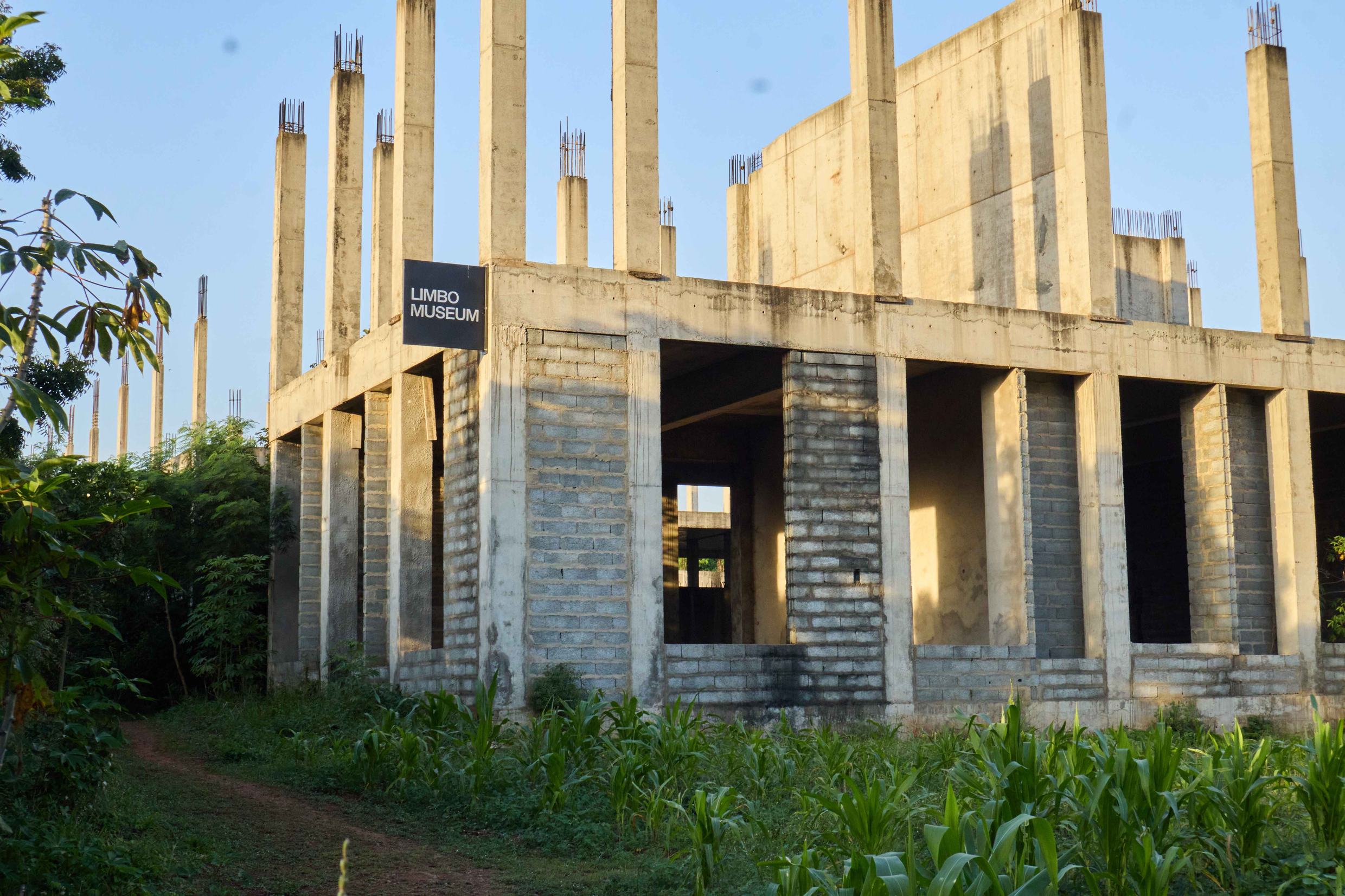
Limbo Museum is a contemporary arts institution dedicated to rethinking the role of museums in West Africa. The museum operates at the intersection of art, architecture, and interdisciplinary practice, fostering site-specific, research-driven projects that engage both local communities and international audiences. Limbo Museum is not a traditional collection-based institution; rather, it emphasizes live, evolving exhibitions, large-scale installations, and immersive experiences that respond to the social, architectural, and environmental context of Accra. Situated within the shell of an unfinished building, the museum uses repair as a curatorial tool, embracing the building’s incompleteness as a generative space for experimentation, transformation, and creative interventions. The museum provides spaces for research, publication, and practice-based work, supporting artists, designers, and curators in producing projects that bridge local heritage and global contemporary practice. Limbo’s programs include residencies, community-engaged projects, and interdisciplinary collaborations, positioning the museum as a platform for critical dialogue, innovation, and cultural exchange across West Africa and beyond.
Name of the director of the institution: Dominique Petit-Frère
Name of the practice, initiative or program nominated: The Limbo Museum Visiting Artist Program and Annual Architectural Commission
Name and position of the professional who leads the practice: Diallo Simon-Ponte, Director of Exhibitions and Programs
Describe the practice, program, or project, what innovative approach is proposed, and in which core museum activities it applies: conservation, education, collection, exhibition programs, publications, research, accessibility, communication, governance, and sustainability.
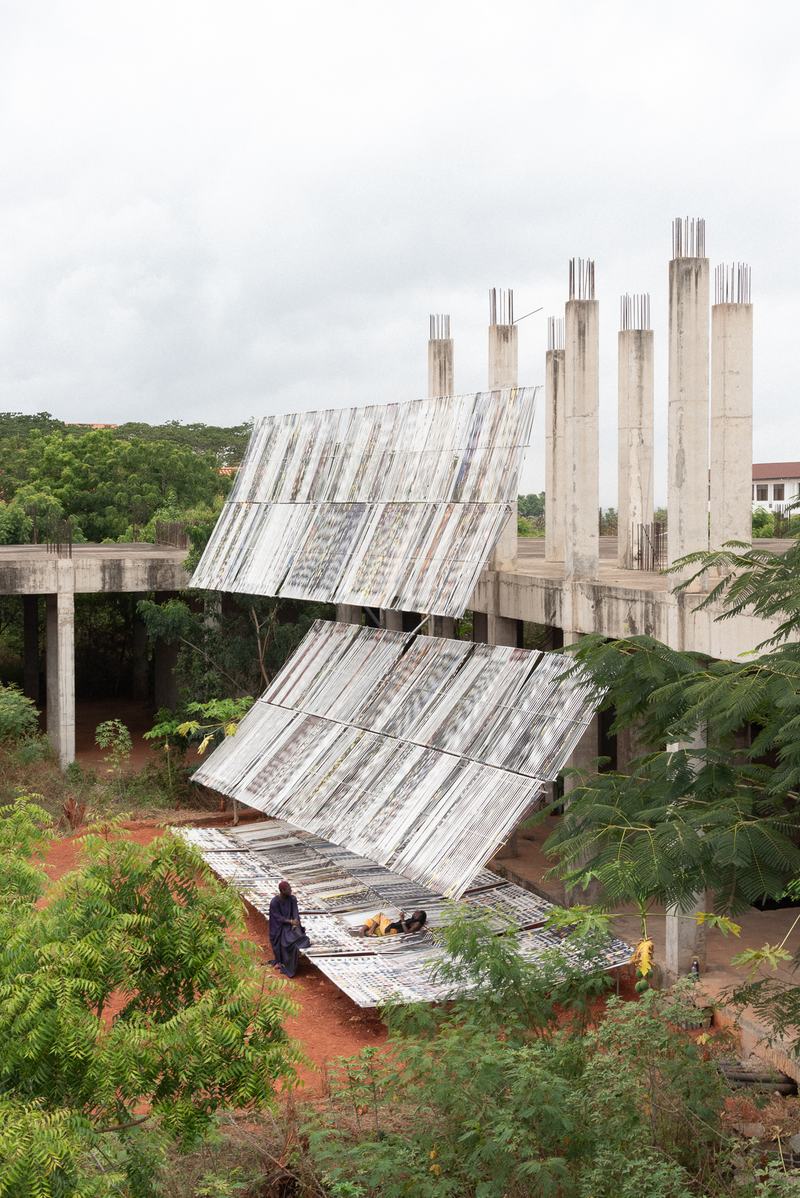
The Limbo Museum Visiting Artist Program and Annual Architectural Commission are experimental frameworks that make the museum itself a site of creation and research. Located in an unfinished building, the museum uses repair as a curatorial tool, integrating structural interventions and adaptive design into artistic practice. This approach allows the building to actively participate in exhibitions, residencies, and public programming.
The Visiting Artist Program hosts emerging and established artists in multi-visit residencies that result in exhibitions, workshops, and community engagement. The Annual Architectural Commission invites architects and designers to intervene directly in the museum’s space, emphasizing site-responsive, interdisciplinary work. Both programs encourage artists to respond to the architecture, local heritage, and urban context while fostering collaboration across disciplines.
These initiatives impact core museum activities including exhibitions, research, publications, education, accessibility, communication, governance, and sustainability. Public-facing programs such as workshops, talks, and participatory installations create ongoing engagement with local and international audiences. Operationally, the museum follows an iterative, adaptable, and low-carbon model that supports sustainable institutional growth while allowing experimentation.
By combining art, architecture, and repair in practice, Limbo Museum demonstrates a replicable, process-driven model for contemporary museums. It challenges traditional structures, supports experimentation, and builds meaningful connections with communities, audiences, and practitioners, while creating long-term cultural and social value.
Explain in one sentence why you think the project you nominate is outstanding and could serve as an example for the entire community of modern and contemporary art museums.
Limbo Museum demonstrates how a contemporary museum can integrate art, architecture, and repair as a curatorial method to create a living, socially engaged, and process-driven institution that bridges local heritage and global practice.
Explain why this practice or program is relevant and sustainable in creating meaningful and lasting connections with people, communities, and the museum context with a medium to long-term vision.
By situating residencies and architectural commissions within the unfinished structure of the museum, Limbo fosters a participatory, site-responsive approach where local communities, artists, and architects collaborate on creation, research, and public programs. Repair and transformation of the building become tools for engagement, making the museum’s evolution visible and accessible to audiences. This approach builds enduring relationships, cultivates local knowledge, and positions the museum as a platform for continuous dialogue across West Africa and internationally. Its phased, adaptive model ensures sustainability while allowing iterative growth, embedding ecological and social consciousness into institutional practices and creating a replicable framework for future contemporary art institutions.
What are the outcomes of the practice you are most proud of?
We are proud to have created a museum in Africa by transforming what already exists. About 20% of Ghana’s built landscape is unfinished, giving us abundant space to realize our vision. Through the Visiting Artist Program and Annual Architectural Commission, we have hosted large-scale exhibitions, residencies, and community projects that integrate art, architecture, and repair as a curatorial tool. These initiatives have fostered experimentation, built local and international networks, strengthened public engagement, and made the museum itself a living, evolving institution. Limbo Museum shows how unfinished urban spaces can be repurposed to create socially and culturally relevant institutions.
How has the nominated practice changed your methods and ways of working?
The practice has shifted our approach from traditional exhibition-making to a process-driven, site-responsive model. By using repair as a curatorial tool and working within an unfinished building, we integrate architecture, material experimentation, and community engagement directly into artistic and institutional processes. Programming now emphasizes long-term residencies, interdisciplinary collaboration, and public participation. These methods have strengthened our capacity to work across multiple scales and disciplines while remaining deeply connected to local heritage and context. The museum itself has become a participant in creation, allowing us to test new ideas, adapt in real time, and foster innovation in ways that traditional museum models cannot.