Kin Museum of Contemporary Art, Kiruna
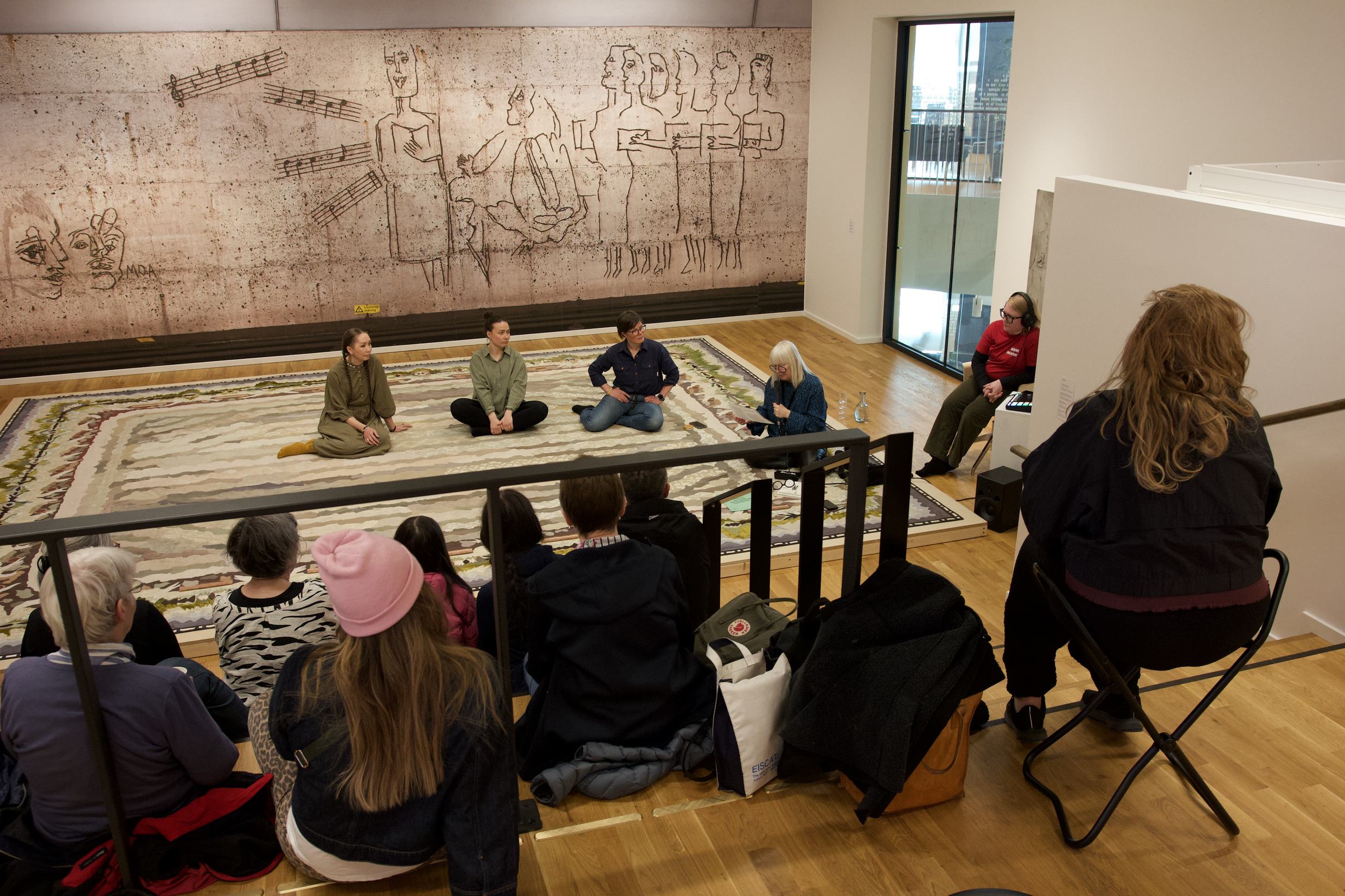
Kin Museum of Contemporary Art is one of the northernmost art museums in the world, located in Giron/Kiruna 200 km north of the arctic circle, on the Swedish side of Sápmi, the homeland of the Sámi people, and also the location of the world’s largest underground iron ore mine, LKAB. It is a place where the climate crisis is highly palpable. The museum, which opened in 2018, is municipal and regional, it has a collection.
The starting point of the activities of Kin is “dig where you stand”, inspired by the eponymous book about citizen research from 1978 by writer Sven Lindquist, interweaving the local, regional, national and international. Aiming at being “the generous edge”, i e working with the most complex and sophisticated art in generous ways, the museum is art-centric while embracing multiple forms of mediation, following three loose thematic lines in its programming: The Critical Zone; Hand, Heart and Brain; and Women in the North.
The museum is running three long-term initative “inquiries” which allow for sustained engagement around certain artistic practices, issues and questions. One of them is “The Benevolent Food”, with 10 artists, architects, curators and researchers dealing with art, food and the environment, The activities of the museum take place both in the physical museum space at the Kristallen Town Hall in Kiruna’s new town centre, as well as in projects and exhibitions throughout the region of Norrbotten.
Name of the director of the institution: Maria LIND
Name of the practice, initiative or program nominated: The entire museum as an organic entity, deeply situated in the Arctic locality, through which global infrastructures become visible.
Name and position of the professional who leads the practice: Maria LIND, director
Describe the practice, program, or project, what innovative approach is proposed, and in which core museum activities it applies: conservation, education, collection, exhibition programs, publications, research, accessibility, communication, governance, and sustainability.
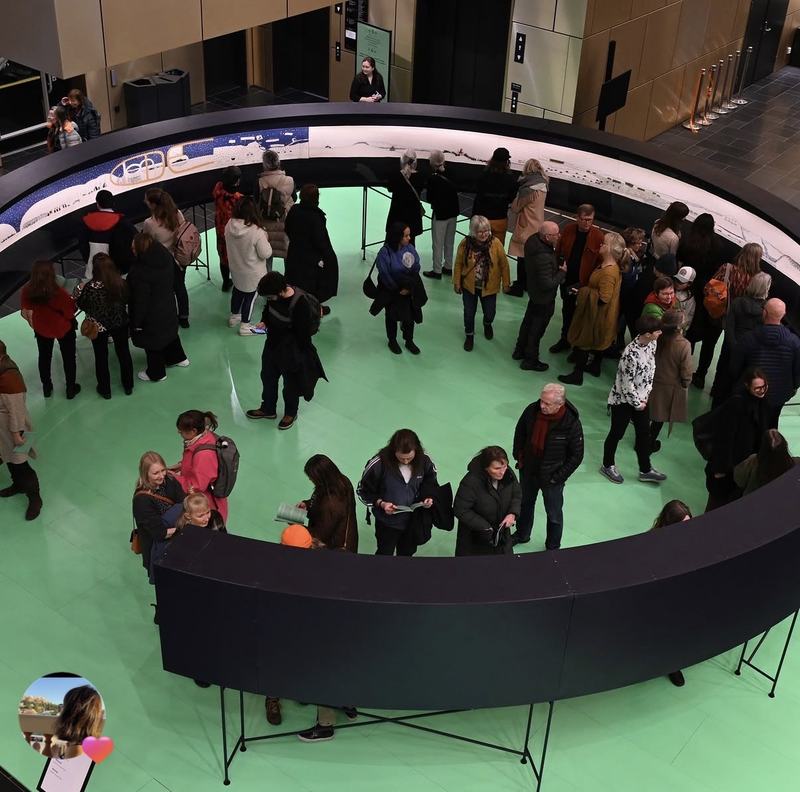
Kin Museum is located inside a municipal building where civil servants and politicians work, inviting them as well as citizens, artists, workers, researchers, and users to both experience and imagine art and the public, culture and politics, society and the state, in conversation with one another. This first specific characteristic speaks to the museum’s practice in which art is constantly embedded in society in two ways:
On one side, Kiruna has a tradition with art exhibitions since the founding of the town in 1900, for example the sensational exhibition Picasso in Kiruna (1965) and its ambitious mediation program that presented 100 works by Picasso to the local miners and their families. The current exhibition at Kin, A Hole in the Real: Dora Garciá, Pablo Picasso and the Legacy of Mining (2025/26) with works by the two artists, is unearthing this forgotten social art history as well as metabolizing and bringing the archival finds into the present. The beautifully installed exhibition becomes a research environment more than a static manifestation, demonstrating the fundamental place of art in the dilemma of modernity that becomes palpable in Kiruna: it reveals an anthropocentric structure (iron ore mining) and imagines its educational potentialities (learning from Picasso’s political engagement in Guernica).
On the other side, it is the building of the town hall itself and the collection of Kin which, among other things, holds works of the Samí population creating a transnational or post-pre-national fabric of “indigenous critique”. The current collection display with seminal works by Britta Marakatt-Labba and Elle Hansa/Hans Ragnar Mathisen re-shuffles the local artistic positioning as a global perspective as seen from the Arctic. This should be seen together with the many lectures, film screenings, discussions, workshops, tours etc with adults and children alike, which pick up on the issues and questions embedded in each exhibition.
Explain in one sentence why you think the project you nominate is outstanding and could serve as an example for the entire community of modern and contemporary art museums.
Kin is a model for the twenty-first century museum: a research site and public forum in which the practices of art become necessary instruments through which the entanglement of modernity, community, and environment are not only thinkable, but generatively effective and social across various groups.
Explain why this practice or program is relevant and sustainable in creating meaningful and lasting connections with people, communities, and the museum context with a medium to long-term vision.
Kin’s location inside the town hall offers a rare case where local inhabitants, civil servants and temporary visitors mingle, encountering cutting edge curatorial work, contemporary art, and Sámi knowledge with contributions by local, regional, national and international artists. A multitude of collaborations and partnerships within the municipality of Kiruna as well as the region of Norrbotten and further across Sápmi, allows for agile relations that include initiatives from their sides. Its program creates a condition in which local ownership, learning, research and international contemporary art cross to foster lasting connections beyond the duration of an exhibition.
What are the outcomes of the practice you are most proud of?
It would be misleading to single out one practice, because the nature of Kin lives through a network of practices to create a network of communities. Most striking has been the variety of sharing art-forms as interventions into the public interior of the municipality building, installations reflecting the material infrastructures of the building, the series of collection presentations with Sámi and contemporary art works, the school workshops, the research residencies, the book shop built by an artist, archival work engaging with the historical consciousness of Kiruna, and collaborations with partners worldwide.
How has the nominated practice changed your methods and ways of working?
Institutionally, Kin is a unique integrative model where art institutes a social-epistemic set of practices with consciousness for historic as well as environmental concerns. With sensitivity for the context, art is placed center-stage within a municipal infrastructure and always mediated in multiple ways, at the same time as the activities, which involve artists, curators, researchers, architects and others from near and afar, are embedded locally. What inspires me most is how Kin concretizes a curatorial imaginary as an institutional strategy that operates as a “vehicle of many scales” through which local complexity renders a global / planetary condition of the 21st century.