Instituto Inhotim
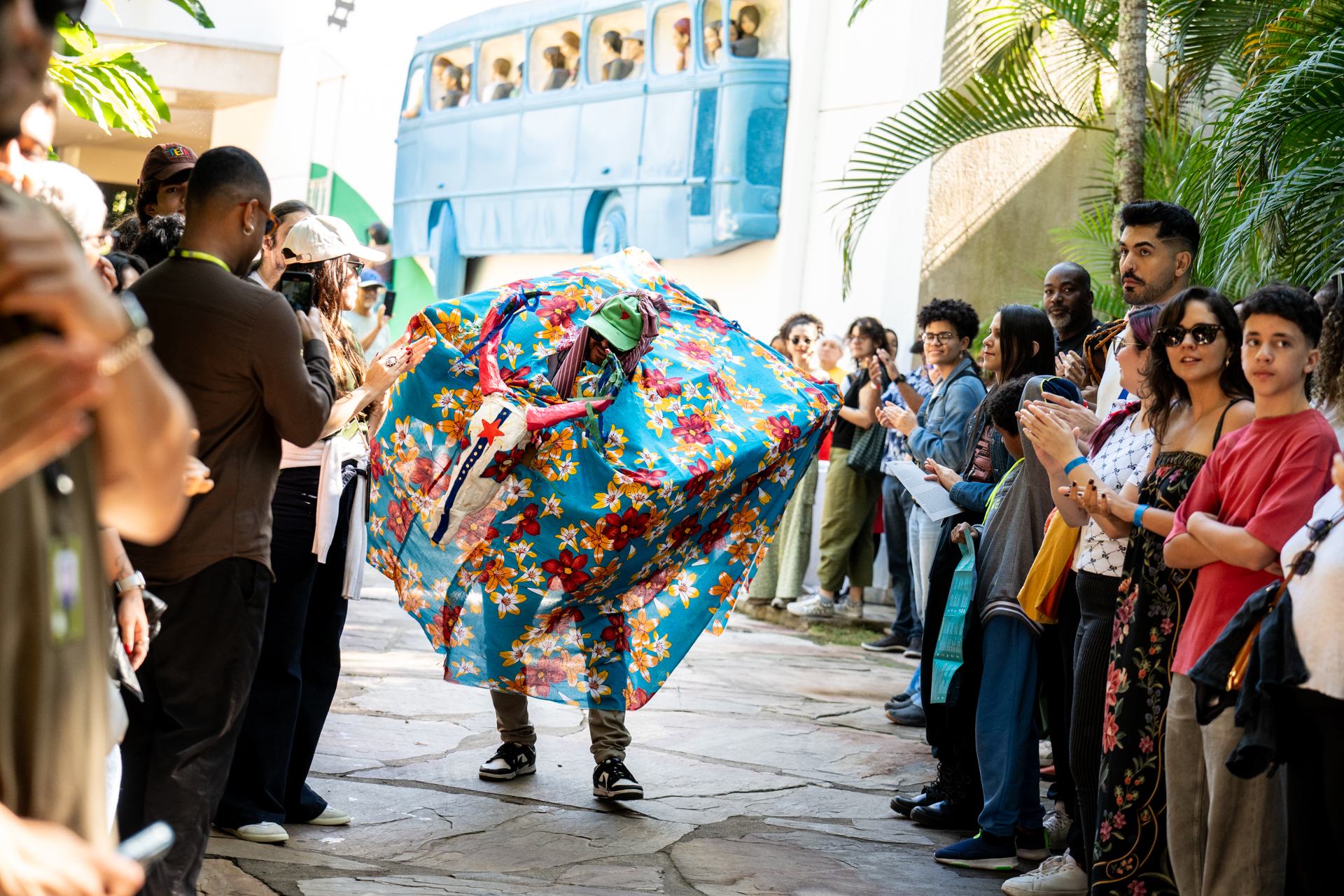
Instituto Inhotim, a museum of contemporary art and botanical garden, operates at the intersection of art, nature, and territory. Across 140 hectares of visitation area, it brings together galleries, site-specific works, and a living botanical collection structured around conservation, research, and environmental education.
Its artistic program functions as a system of creation, based on long-term relationships with artists, co-creation processes, and the commissioning of new works. Projects are developed in dialogue with curatorial, education, and nature teams, enabling interdisciplinary formats and proprietary programs that expand beyond traditional exhibition models. This approach is supported by in-house production infrastructure, including ateliers and technical workshops, allowing the development of complex works conceived in direct relation to the landscape and its ecological and social context.
This model is anchored in measurable environmental and territorial impact: 75 hectares of preserved forest fragments (56.4% of its area), over 640 native plant species, many threatened or endemic, and more than 34,000 tons of carbon stored, reinforcing its role in climate and biodiversity agendas.
In 2025, its educational programs reached more than 29,000 participants, while the institution welcomes over 350,000 visitors annually, positioning it as a cultural infrastructure of global relevance.
Name of the director of the institution: Paula Azevedo
Name of the practice, initiative or program nominated: Building a New Governance Model: From Institutional Transformation to Sustainable Futures
Name and position of the professional who leads the practice: Paula Azevedo – President-Director Instituto Inhotim
Describe the practice, program, or project, what innovative approach is proposed, and in which core museum activities it applies: conservation, education, collection, exhibition programs, publications, research, accessibility, communication, governance, and sustainability.
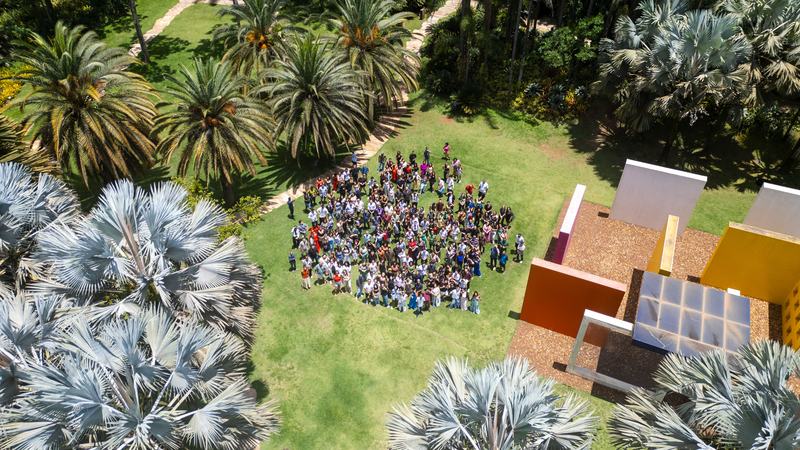
The project “Inhotim: Building a New Governance Model – From Institutional Transformation to Sustainable Futures” is a multi-year institutional transformation (2022–2025) that positions governance as a central mechanism to structure the museum for future scenarios.
A critical inflection point in this transformation was the landmark donation by Inhotim’s founder, Bernardo Paz, recognized as the largest private cultural donation in Brazil. This act marked the transition from a founder-centric model to an institutional governance structure, enabling the separation between individual legacy and organizational continuity. By transferring ownership and responsibility to the institution, the donation created the conditions for implementing formal governance mechanisms, strengthening accountability, and ensuring long-term sustainability aligned with public interest.
The project reframes governance from an administrative function into an institutional infrastructure that enables adaptation, sustainability, and continuity across the museum’s core axes of art, nature, and education. It includes the implementation of formal decision-making structures, governance bodies, performance indicators, and management rituals that define how decisions are made, monitored, and executed across the institution.
These mechanisms are aligned with a long-term strategic framework (Strategy 2030) and are complemented by financial sustainability instruments, including revenue diversification strategies, endowment structuring, and the strategic use of the institutional brand. Governance operates as the integrative layer that connects institutional vision to operational execution, ensuring coherence across departments and long-term viability.
Applied across core museum activities, this model aligns artistic programming, environmental stewardship, and educational and territorial engagement. It positions Inhotim as a cultural infrastructure capable of generating artistic, social, environmental, and economic impact, offering a replicable model for museums navigating complex and evolving global contexts.
Explain in one sentence why you think the project you nominate is outstanding and could serve as an example for the entire community of modern and contemporary art museums.
It shows how governance can operate as an institutional infrastructure, enabling museums to adapt to future scenarios through diversified revenue and new engagement formats, while sustaining artistic creation at the core and advancing financially and environmentally responsible practices.
Explain why this practice or program is relevant and sustainable in creating meaningful and lasting connections with people, communities, and the museum context with a medium to long-term vision.
The practice is relevant as it addresses a structural challenge faced by many museums: how to build long-term sustainability while maintaining coherence across artistic, environmental, and educational priorities. By structuring governance as an institutional infrastructure, the project enables these dimensions to operate in an integrated way, informing decision-making and guiding institutional development.
Its relevance is reinforced by concrete results already achieved, including greater alignment across departments, increased capacity to structure partnerships, and the advancement of new revenue streams. These shifts contribute directly to the institution’s economic sustainability and to its role as a driver of local development.
At the same time, ongoing initiatives—such as the development of long-term funding mechanisms and expanded engagement with communities—indicate a trajectory of sustained impact.
By systematizing governance as a replicable practice, the project offers a framework for cultural institutions seeking to navigate future challenges while generating social, environmental, and economic value.
What are the outcomes of the practice you are most proud of?
The most significant outcomes include the consolidation of Strategy 2030 as the institution’s first long-term strategic framework, aligning governance, programming, and operations. This shift enabled measurable results across impact, sustainability, and positioning.
In 2025, Inhotim reached a record of 365,000 visitors, reinforcing its role as a destination museum outside major urban centers. The institution was also recognized by The New York Times as the only Brazilian destination and the only museum listed globally, evidencing the strength of its international positioning and reputation.
Access policies expanded significantly, with free admission programs growing from 23,392 participants in 2022 to 167,699 in 2025 (a 617% increase), strengthening social impact and inclusion.
Governance advancements include the creation of a deliberative board with 30 members from seven Brazilian states, as well as integrity and racial equity committees.
Financial sustainability also improved, with partners increasing from 23 to 64 (+178%) and membership growing from 284 to 427 (+50%), demonstrating strengthened institutional capacity and diversified support.
How has the nominated practice changed your methods and ways of working?
The project fundamentally transformed how the institution operates, shifting from fragmented and autonomy-based practices to a structured and integrated governance model. Decision-making is now guided by shared priorities, clearer processes, and collective accountability, rather than isolated initiatives.
At the same time, it introduced a future-oriented perspective that reshaped internal culture and external action. Working from a shared vision of where the institution aims to go strengthened collective alignment, clarified strategic priorities, and reinforced a sense of purpose across teams. This shift is reflected in how the institution engages with its diverse publics, ensuring coherence between long-term vision and day-to-day practices.
The adoption of transparent processes, defined reporting structures, and shared strategic goals increased clarity and coordination, enabling the institution to operate with greater consistency, direction, and collective ownership.