EMΣT | National Museum of Contemporary Art, Athens
EMST | National Museum of Contemporary Art, Athens is Greece’s leading national institution dedicated to modern and contemporary visual culture and one of the most significant contemporary art museums in Southeast Europe. Founded in 2000 and housed in the historic former FIX brewery building in Athens, the museum is committed to collecting, preserving, researching, and exhibiting contemporary Greek and international art across all media, while fostering critical dialogue on the urgent social, political, and cultural questions of our time.
Name of the director of the institution: Katerina Gregos
Name of the practice, initiative or program nominated: Exploring the Museum's Images - Exploring my Image
Name and position of the professional who leads the practice: Elisabeth Ioannides, Education Curator - Art Psychotherapist
Describe the practice, program, or project, what innovative approach is proposed, and in which core museum activities it applies: conservation, education, collection, exhibition programs, publications, research, accessibility, communication, governance, and sustainability.
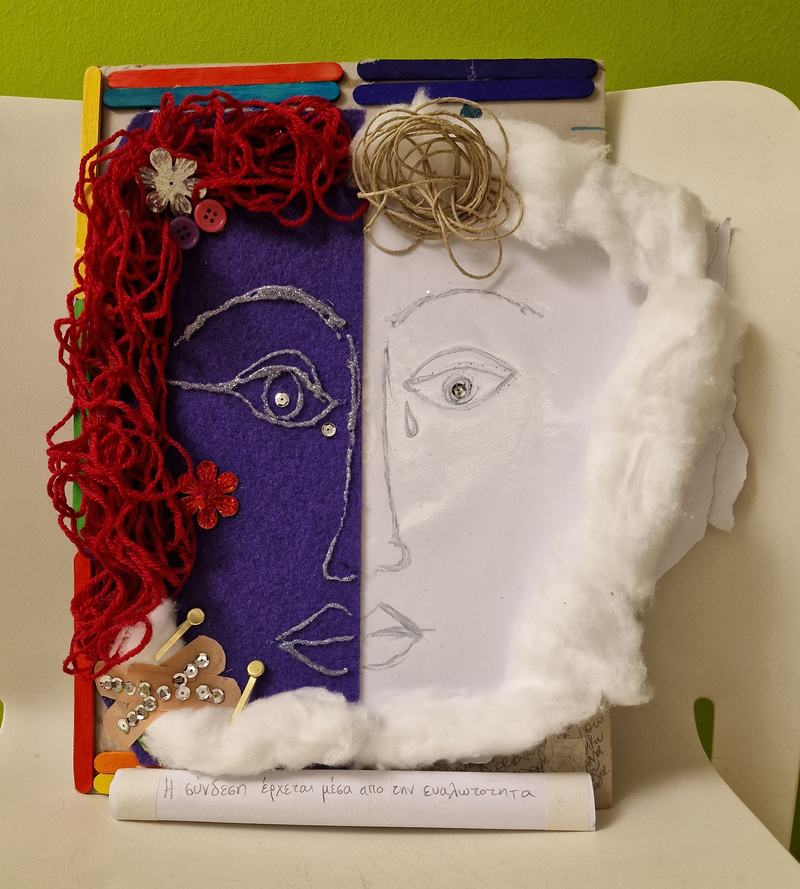
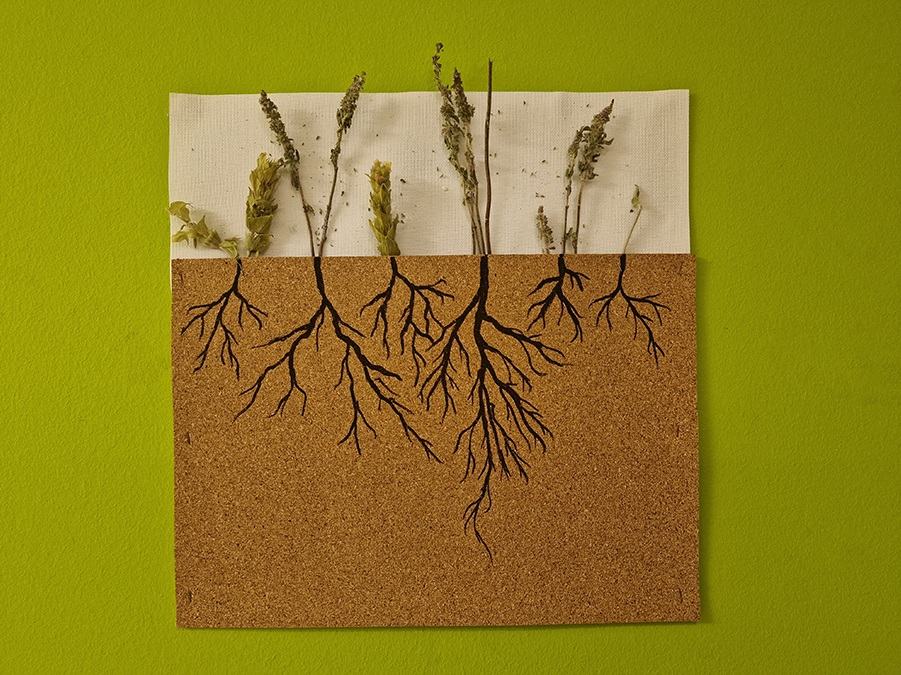
"Exploring the Museum’s Images – Exploring My Image" is EMΣT’s flagship museum-based art psychotherapy programme, continuously implemented since 2017 as a structured group process for the general adult population. Co-designed within the museum’s educational and social mission, the programme combines guided engagement with contemporary artworks, facilitated group reflection, and artmaking within a psychodynamic and phenomenological framework. Situated in the museum rather than a clinical environment, it redefines the exhibition space as a therapeutic and reflective environment where contemporary art mediates emotional exploration, symbolic expression, and social connection. Ιts innovative approach lies in embedding art psychotherapy as a core museum practice rather than an outreach add-on, integrating education, exhibitions, research, accessibility, publications, and public wellbeing. The programme activates the collection and temporary exhibitions as living pedagogical and therapeutic resources; generates research outputs, publications, and conference dissemination; expands access by removing stigma associated with mental health support; and positions the museum as an inclusive public space of prevention and care. This long-term museum model became the conceptual and methodological foundation for Greece’s four-year Art on Prescription pilot phases (2024–2027), through which cultural participation was progressively integrated into national public health strategy.
Explain in one sentence why you think the project you nominate is outstanding and could serve as an example for the entire community of modern and contemporary art museums.
EMΣT's programme is outstanding because it demonstrates how a contemporary art museum can embed art psychotherapy as a long-term core institutional practice that transforms exhibitions, education, accessibility, research, and public health into an integrated model of cultural care.
Explain why this practice or program is relevant and sustainable in creating meaningful and lasting connections with people, communities, and the museum context with a medium to long-term vision.
This programme is institutionally embedded rather than project-based, operating continuously since 2017 through interdisciplinary collaboration between museum professionals, art psychotherapists, mental health institutions, universities, and public health partners. Its relevance lies in responding to urgent contemporary needs: loneliness, stigma, mental health prevention, inclusion, and access to non-clinical spaces of reflection and belonging. By welcoming the general adult population through open calls, the programme creates durable relationships between the museum and diverse communities beyond traditional visitor demographics. Its sustainability is strengthened by its ability to activate exhibitions and collection resources while generating policy-level partnerships that integrate the arts into Greece’s healthcare system, ensuring that the museum’s social role remains structurally relevant for the future.
What are the outcomes of the practice you are most proud of?
The outcome I am most proud of is that a museum-based art psychotherapy programme developed at EMST became the conceptual foundation for Greece’s national four-year Art on Prescription pilot, ultimately contributing to the inclusion of arts referral pathways within the public healthcare system. This represents a rare shift from museum innovation to national policy impact. Equally significant is the creation of a sustained therapeutic space within a contemporary art museum that is open to the general public, because everyone needs a place to be able to express themselves, find solace and healing. Additional outcomes include long-term interdisciplinary collaborations with hospitals and universities, the development of new research methodologies in museum-based art psychotherapy, international publications and conference presentations, and the transformation of EMST into a recognised site for cultural wellbeing, professional training, and socially engaged contemporary museum practice.
How has the nominated practice changed your methods and ways of working?
Within EMΣT, this programme taught me to use exhibitions, artworks, spatial experience, and the temporal rhythm of the museum visit as active therapeutic mediators, rather than as contextual background. This formed how I facilitate groups: I integrate close looking, embodied movement through gallery spaces, dialogical reflection, and artmaking as interconnected stages of the therapeutic process.As a researcher, it shifted my methodology allowing professional practice, theory, and lived experience to inform one another. Most importantly, it expanded my understanding of care beyond the clinic, positioning cultural space itself as a co-facilitator of transformation, inclusion, and wellbeing.