Elgiz Museum
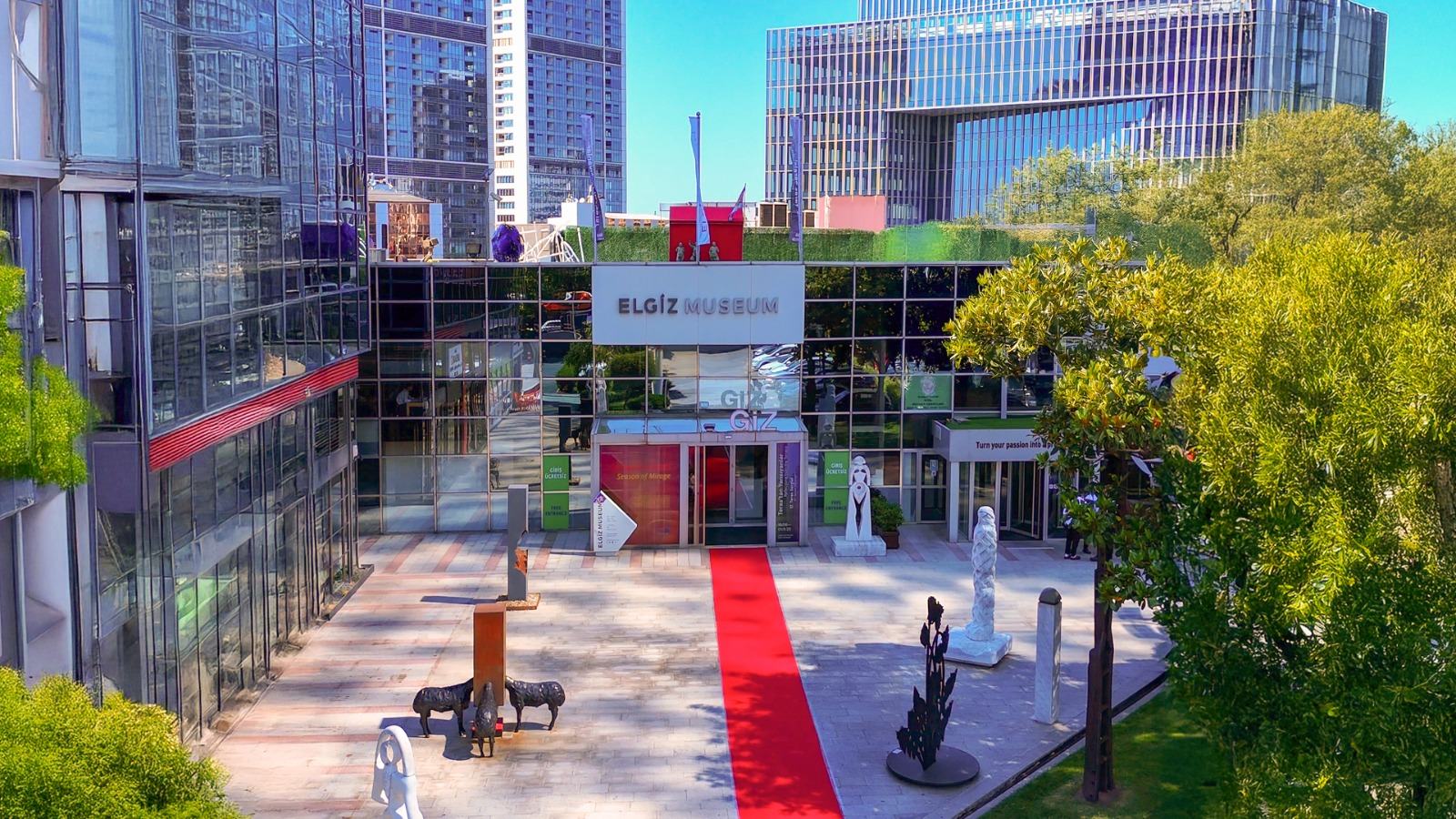
Elgiz Museum, founded in 2001 in Istanbul as Proje4L and renamed Elgiz Museum in 2005, is Turkey’s first non-profit private contemporary art museum. Established by the Elgiz family, it was created to support emerging artists and curators at a time when contemporary art was just beginning to gain recognition in Türkiye. The museum promotes contemporary art through exhibitions, publications, and public programs, providing a platform for innovation, experimentation, and dialogue.
Name of the director of the institution: Arch.Sevil Arsan
Name of the practice, initiative or program nominated: Terrace Exhibitions
Name and position of the professional who leads the practice: Mrs.Sevda and Mr.Can Elgiz, Founder
Describe the practice, program, or project, what innovative approach is proposed, and in which core museum activities it applies: conservation, education, collection, exhibition programs, publications, research, accessibility, communication, governance, and sustainability.
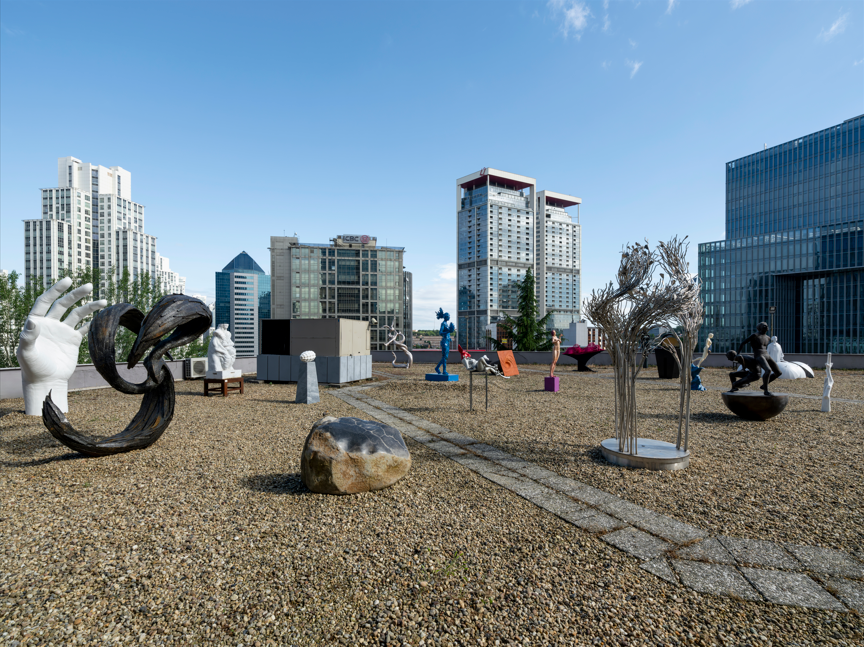
The project Elgiz Museum proposes is the Terrace Exhibitions, an ongoing, large-scale open-air sculpture program launched in 2012. The project transforms the museum’s 2,000 sqm outdoors into an exhibition space, presenting newly produced works by artists from across Türkiye. Selected through an open call and evaluated by a jury, the Terrace Exhibitions address the challenges faced by artists working in sculpture and large-scale installations by providing logistical support—including transportation and installation—thereby enabling large-scale works to be realized and presented.
Regarding its core activities, the Terrace Exhibitions connect artists with collectors, helping works enter private collections while also adding selected pieces to the museum’s own collection. Each edition is accompanied by a professionally produced catalogue, enhancing the visibility of participating artists. The program also strengthens engagement by presenting works publicly, free of charge, allowing audiences and collectors to experience large-scale sculptures in an outdoor setting—offering a perspective that differs significantly from traditional gallery or museum spaces. Furthermore, it supports sustainability by encouraging the ongoing production of large-scale outdoor sculptures, directly addressing the structural challenges of sculpture production in Türkiye.
The innovative approach of the Terrace Exhibitions lies in its artist-centered, non-commercial model, which directly addresses the logistical, spatial, and financial challenges that often prevent large-scale sculptures from being realized in Türkiye. It also supports the placement of artworks in public spaces.
Explain in one sentence why you think the project you nominate is outstanding and could serve as an example for the entire community of modern and contemporary art museums.
Elgiz Museum’s Terrace Exhibitions exemplify an artist-centered, sustainable model that combines logistical support, public engagement, and long-term visibility, demonstrating how contemporary art museums can actively strengthen the creation, circulation, and appreciation of sculpture without pursuing commercial gain for the past 15 years.
Explain why this practice or program is relevant and sustainable in creating meaningful and lasting connections with people, communities, and the museum context with a medium to long-term vision.
Elgiz Museum’s Terrace Exhibitions create lasting connections by situating contemporary sculpture within both urban and natural environments, making art accessible to a broad audience while creating direct engagement between artists and the public. The open-air rooftop and garden setting offers collectors a unique perspective, allowing them to experience large-scale works in a context closer to how they might live with them—beyond the confines of the white-cube gallery.
Annual, thematically framed exhibitions, accompanied by catalogues, ensure documentation and visibility beyond the exhibition period, supporting the long-term appreciation and circulation of participating artists. By facilitating these connections without commercial pressure, the program strengthens the local art ecosystem and provides artists with a rare and meaningful opportunity to present ambitious work in a context that resonates with both viewers and collectors.
What are the outcomes of the practice you are most proud of?
As a collector family, Elgiz Museum understands firsthand the importance of experiencing sculpture beyond conventional gallery and museum walls. The Terrace Exhibitions allow us to share this experience with both artists and visitors, creating a space where large-scale works can be appreciated in context—outdoors, in gardens, and within the cityscape.
For artists, this represents a rare opportunity to see their work installed in an environment that enhances scale, materiality, and interaction. For visitors and collectors, it fosters genuine connections with the artworks and encourages thoughtful dialogue.
Over time, the program has created a sense of community among artists, audiences, and collectors alike, offering meaningful encounters that go beyond viewing an object. What we are most proud of is establishing a practice in which the museum acts as a facilitator of lasting relationships between art, people, and place.
How has the nominated practice changed your methods and ways of working?
Ten years after opening its collection to the public in 2001, Elgiz Museum launched the Terrace Exhibitions in 2012. Initially, the program experimented with age-based participation criteria, focusing on more established sculptors. Over time, it became clear that the project could create meaningful opportunities for artists at all stages of their careers.
Witnessing how the exhibitions make space for experimentation, support artistic development, and connect artists with audiences and collectors has been extremely rewarding for us as a museum. The program has also reshaped our approach to curation, logistics, and exhibition planning, reinforcing our commitment to a non-commercial, artist-centered practice. Ultimately, it demonstrates the lasting impact of providing a platform where artworks, people, and the museum context intersect in meaningful and sustainable ways.