Dr. Bhau Daji Lad [BDL] Mumbai City Museum
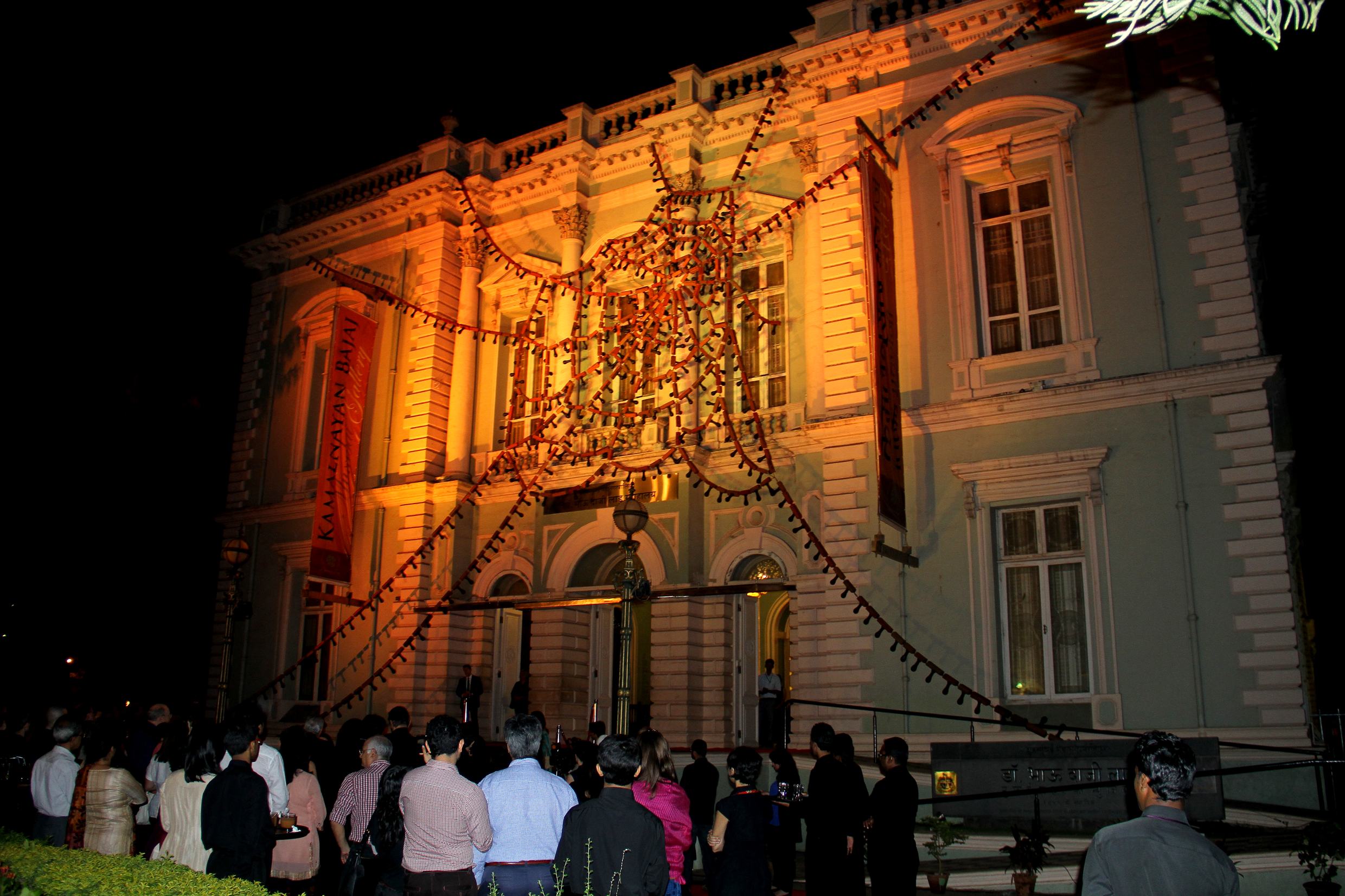
The BDL Museum, established in 1857 as the Victoria & Albert Museum, Bombay, is a modern and contemporary art museum. It represents the emergence of an Early Modern aesthetic movement in India that reflects a radical canonical shift in the subcontinent, serving social, political, and economic goals through a colonial gaze. The collection includes : decorative arts, unique clay figurines depicting communities, trades and professions; maps, dioramas, prints, rare books, miniature paintings and paintings by artists of one of the oldest art schools in India - the Sir J.J. School of Art - which had an umbilical link with the Museum. However, the Indian artist was never the focus of the colonial museum, hence the art objects that constitute the Museum’s Industrial Arts collection were made by unacknowledged master craftspeople who were tutored by their European masters to adapt traditional forms to suit elite tastes and a Western market.
The collection now includes contemporary artworks by eminent Indian artists who have presented exhibitions at the Museum in the last 18 years. This unique programme, a shift in curatorial practice that embraced the public as the inspiration to make the museum deeply relevant to India today, was heralded by the Museum Director since 2008.
Name of the director of the institution: Tasneem Zakaria Mehta
Name of the practice, initiative or program nominated: BDL’s curatorial programme reverses the former colonial gaze by inviting contemporary visual art practitioners to respond to the museum collection with the intention to redress the earlier lacuna and put contemporary Indian practice in focus.
Name and position of the professional who leads the practice: Museum Director Tasneem Zakaria Mehta and her curatorial team.
Describe the practice, program, or project, what innovative approach is proposed, and in which core museum activities it applies: conservation, education, collection, exhibition programs, publications, research, accessibility, communication, governance, and sustainability.
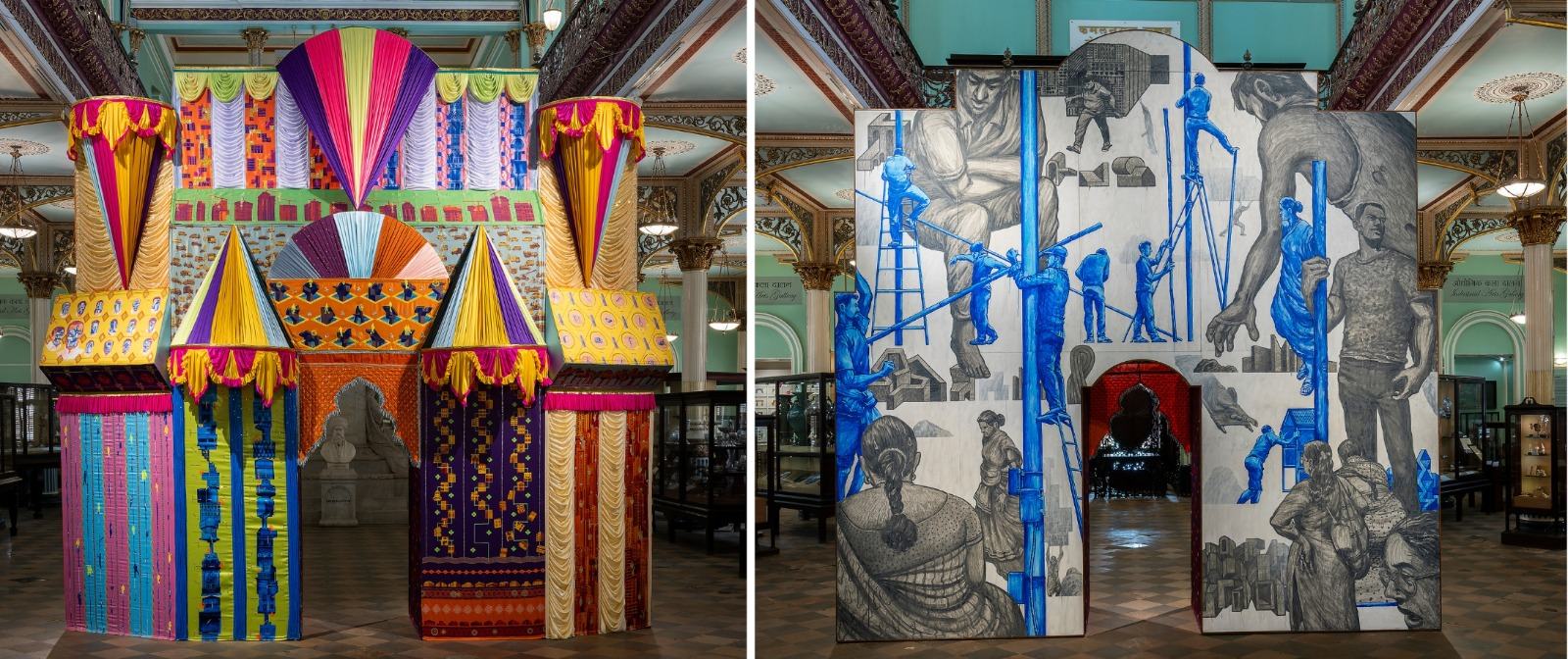
The curatorial approach concentrates on making exhibitions the locus through which its audience has agency in re-shaping the art history of Bombay and India through BDL. The exhibition program focuses on de-stabilising the received canon and authority of the colonial Museum, and has established a new paradigm of exhibition- making by inviting artists to interrogate the archives and the collection. Being the oldest museum of Mumbai and the third oldest in India, it carries the responsibility of reframing the Museum in the light of new pedagogy and research through this curatorial approach. Artworks are presented not only in the Special Exhibitions Galleries but alongside the collections juxtaposing contemporary ideas with traditional interpretations. The entire Museum becomes a foil for the artist to explore and unpack new readings of the collection - which is a rare approach in museums. BDL is the only public museum in India collecting contemporary art.
In reframing the idea of the ‘Museum’, it was important for BDL to restitute the identity of the artist, who was neglected or ignored during the former colonial administration. Rather than being didactic, BDL encourages audiences to question the strategies of exhibition-making and the ideological biases inherent in different approaches.
The solo-artist exhibitions curated by the Museum director with the curatorial team, have been conceived as a non-traditional artist residency giving artists an opportunity to deeply engage with the Museums’ archives and collections. Invited artists range from Sameer Kulavoor, LN Tallur, Reena Saini Kallat, Nalini Malani to Sudarshan Shetty, Shilpa Gupta, Sheba Chhachhi. The Museum has brought out an award-winning publication on its collection to facilitate a better understanding of the collection, Mumbai: A City Through Objects, 101 Stories from the Dr. Bhau Daji Lad Museum.
The contemporary artist and the public is therefore at the centre of the Museum’s practice.
Explain in one sentence why you think the project you nominate is outstanding and could serve as an example for the entire community of modern and contemporary art museums.
The Museum’s pioneering curatorial programme is a successful model for museums world over to engage with their inherited legacies, not just in retrospect, but by fundamentally restructuring the canon to create new and sustained modes of inquiry that allow both, the artist and the audience, to engage more deeply with their own histories and make the museum their own — BDL is a living breathing example of an institution that has risen to the challenge and succeeded admirably despite huge impediments.
Explain why this practice or program is relevant and sustainable in creating meaningful and lasting connections with people, communities, and the museum context with a medium to long-term vision.
BDL’s curatorial programme has been able to initiate and achieve what no other public museum in India has done until very recently. It has contemporarised a colonial collection and has invited the public to engage with the contemporaneity of India today through it’s collection and exhibitions. It has made a post-colonial museum relevant to its public, with the artist and through the public.
BDL shaped this informed discourse around the arts through films, lectures, panel discussions, workshops and book readings. School and university students, across disciplines of art, design, architecture, science and humanities, access BDL’s exhibitions and programs. There are free walkthroughs in three languages and the docents work with many school groups during the week. On average, public visitation would include 8000-10,000 people/week in peak season.
This fostered an increased dialogue between the visitors, artists and the museum, leading to a substantial increase in footfall and engagement.
What are the outcomes of the practice you are most proud of?
Creating this curatorial practice the institutional framework of a public museum in the ‘Global South’, especially in India, comes with it’s own limitations of bureaucracy and lack of support, funding hurdles and the structural fragility of being a heritage building. In this unique circumstance, re-imaging the ownership of BDL towards a public-centric approach of inviting contemporary Artists, who are the most potent voice of the public, to envision critical responses in a space not historically designed with that intent, is the most rewarding outcome of this museum.
I am also proud of the BDL’s solution for the biggest arts education gap - by pioneering a modern and contemporary art post graduate diploma course for 10 years [until COVID forced its closure] which has provided the art ecosystem with much-needed skills. It was the only such course in the country until 2025.
How has the nominated practice changed your methods and ways of working?
The museum’s cabinet of curiosities framing allows many entry points, from Bombay as a heritage city to a site to a contemporary powerhouse, amplifying a shared past. All this was accessible through an INR 20 entry fee (it was Rs 10 till last year) and it enabled access to my history from a very different perspective. My methodology of research and ways of working as an art historian was impacted by how BDL became a ‘classroom’ that welcomed art historians like me to everyone who visits the country and the city, to engage with its evolving history. Every group I guided, be it a group of high school students on an international study tour to the seasoned arts professional, engaged with both modern and contemporary art and culture, alongside the sustained research into the Museum’s permanent collection through its public programming and its fresh approach to curatorial exhibition making.