Centro de las Artes de San Agustín (CaSa)
Centro de las Artes de San Agustín (CaSa) was founded in 2006 by artist Francisco Toledo (1940–2019) to engage with contemporary culture through its exhibition program, education and production departments, and residencies. CaSa occupies a place at the intersection of contemporary art, artisanal knowledge, and community engagement, and forms part of a wider network of cultural centers also founded by Toledo, with complementary focuses on graphic arts and photography.
Through its free programs, CaSa aims to make art accessible to all, a mission with particular urgency in Oaxaca, a state that has historically been underserved in terms of cultural infrastructure. This commitment extends beyond conventional audiences to include school programs, rural communities, and workshops in prisons across the state.
CaSa's programming engages with both modern and contemporary art. Its exhibition program draws from the Toledo Collection, which spans modern Mexican photography rooted in the post-revolutionary tradition, and a print collection that includes post-war Mexican and European work. Recent exhibitions have brought together a diverse range of practitioners, including William Kentridge, Alfredo Jaar, Graciela Iturbide, and Dexter Dalwood. The collection is further enriched by donations from contemporary artists who have engaged with CaSa's programs, and rather than a static permanent display, it serves as a living resource placed in ongoing dialogue with current production.
Name of the director of the institution: Daniel Brena
Name and position of the professional who leads the practice: Daniel Brena, Director.
Describe the practice, program, or project, what innovative approach is proposed, and in which core museum activities it applies: conservation, education, collection, exhibition programs, publications, research, accessibility, communication, governance, and sustainability.
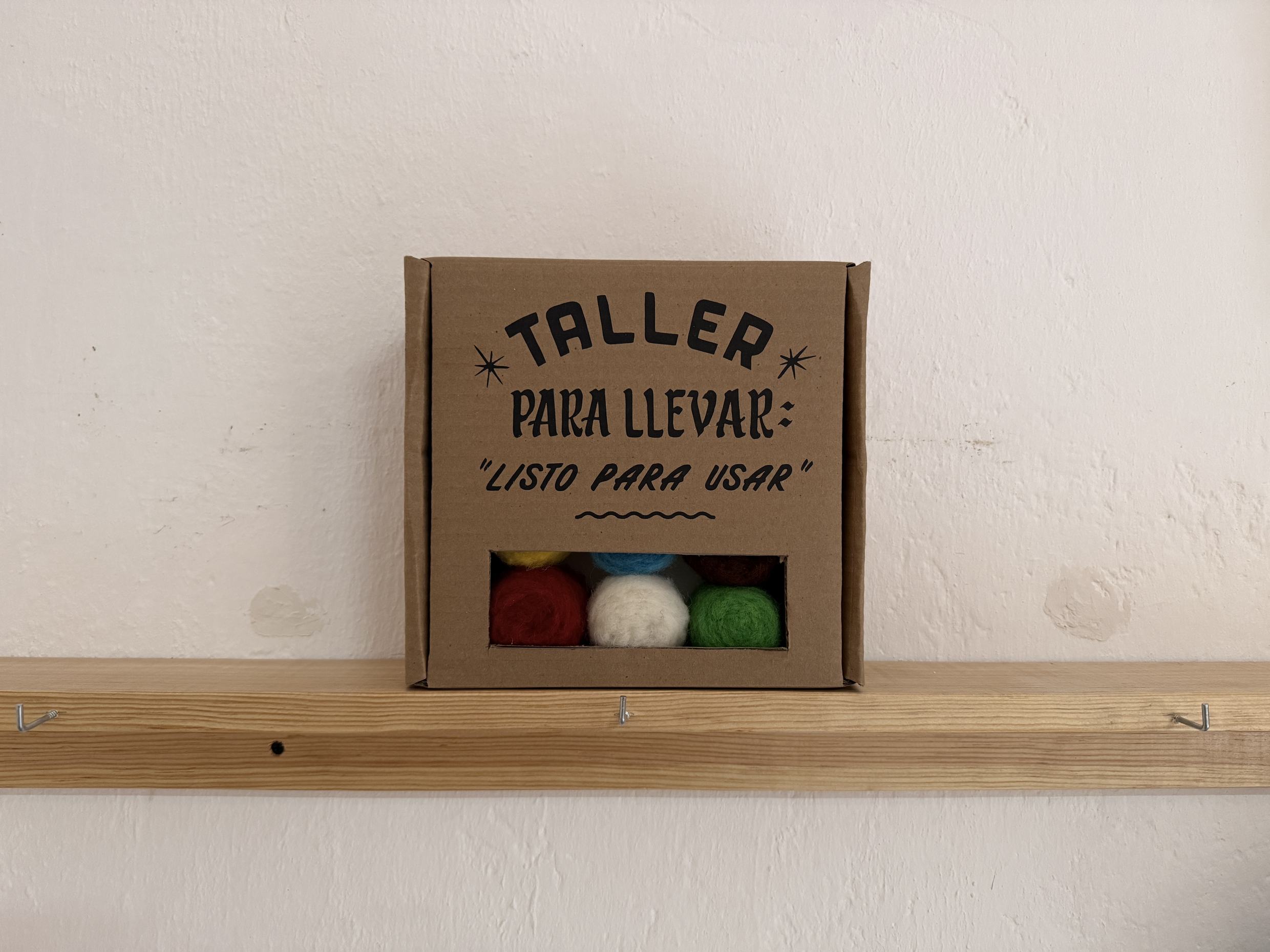
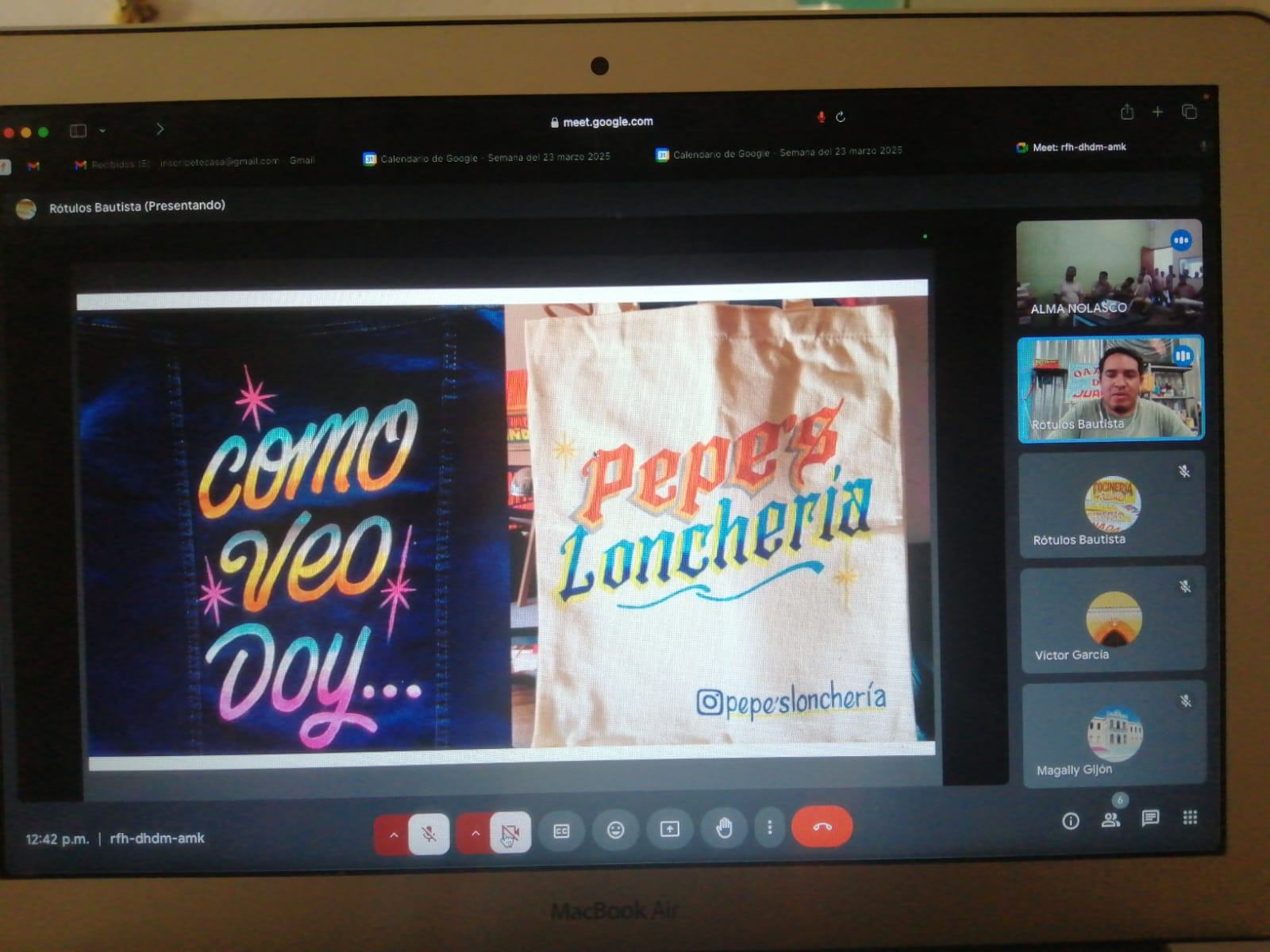
Following the closure of all museums in Mexico during COVID, Centro de las Artes de San Agustín (CaSa) proposed bringing its education department's workshops to the public. This meant shooting and editing concise instructional videos on everything from drawing to sign painting, ceramics, and natural dyeing, so that people could engage with the material from home. Each week we also held a synchronous session with teachers who reviewed and corrected the exercises participants submitted. To keep everyone safe from exposure to the virus, we purchased the materials, assembled them into kits, and delivered them directly to participants' homes. We learned that this was a viable way to engage with the subject matter, and participants did remarkable work.
After COVID, we turned our attention to another underserved population we had worked with for many years: people in prison. Although we offer workshops at several prisons in Oaxaca, in a state this size it was impossible to reach facilities more than an hour away. So we applied what we had learned during the COVID phase: we sent kits to prisons with materials, instructions, and videos, and each week teachers connected with participants to review their work and offer feedback. The success of this model has drawn interest from other states, including Baja California, Queretaro y campeche, which have asked to replicate the program.
This project is outstanding because it transforms an institutional limitation into a replicable pedagogical model, proving that rigorous art education can reach people structurally excluded from cultural life and that a regional museum can define its public far beyond its walls.
Explain in one sentence why you think the project you nominate is outstanding and could serve as an example for the entire community of modern and contemporary art museums.
This project is outstanding because it transforms an institutional limitation into a replicable pedagogical model, proving that rigorous art education can reach people structurally excluded from cultural life and that a regional museum can define its public far beyond its walls.
Explain why this practice or program is relevant and sustainable in creating meaningful and lasting connections with people, communities, and the museum context with a medium to long-term vision.
The program is relevant because it treats incarcerated people not as beneficiaries but as serious practitioners, and it is sustainable because the logic is simple: materials, video instruction, and a weekly human connection. The kit and hybrid methodology bypasses logistical and security barriers that typically stall prison outreach, and the video content can be reused and updated without additional travel. Over time, this builds a permanent bridge between the institution and a population the cultural sector has largely abandoned, a community of practice that persists regardless of geography or future crises.
What are the outcomes of the practice you are most proud of?
The work produced by participants has been of genuinely high caliber, not therapeutic craft but serious engagement with artistic disciplines. More significantly, many participants begin to identify as artists rather than as inmates, which may be the most lasting outcome of the program. The replication of the model in other states confirms that the methodology addresses a widespread and unsolved problem, and that a single institution's learning can become a shared resource.
How has the nominated practice changed your methods and ways of working?
The practice shifted our institutional orientation from destination based to distributed. We no longer treat the physical building as the primary site of learning. Producing instructional videos forced us to distill complex techniques into precise, communicable steps, which made our pedagogy more rigorous across the board. It also integrated logistics and production into our educational thinking in ways that have proven durable. We now design programs around portable assets, kits, videos, archives, that can function independently of our staff's physical presence, making the institution more resilient and its reach genuinely elastic.