Exhibitions and Visits in the Conference Program
22 Rockwood (Est 2021)
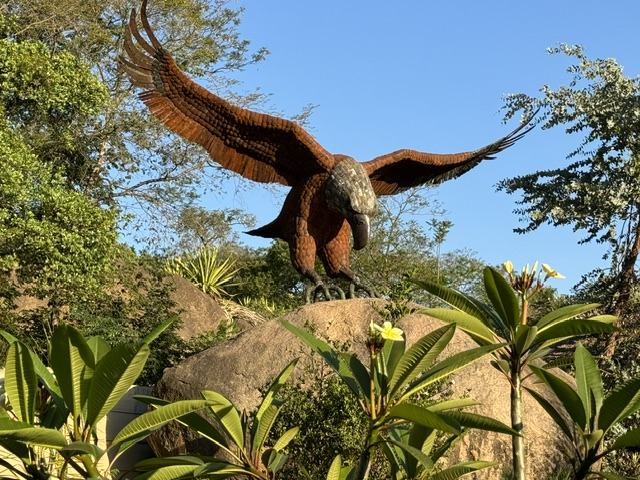
Founded in 2021, Rockwood is a creative space and sculpture garden in Harare — home to selected Zimbabwean artists creating original works in stone, metal and mixed media.
Set among gardens and natural granite formations, Rockwood offers a private setting for working studios, workshops and exhibition spaces.
Animal Farm Artist Residency (Est 2013)
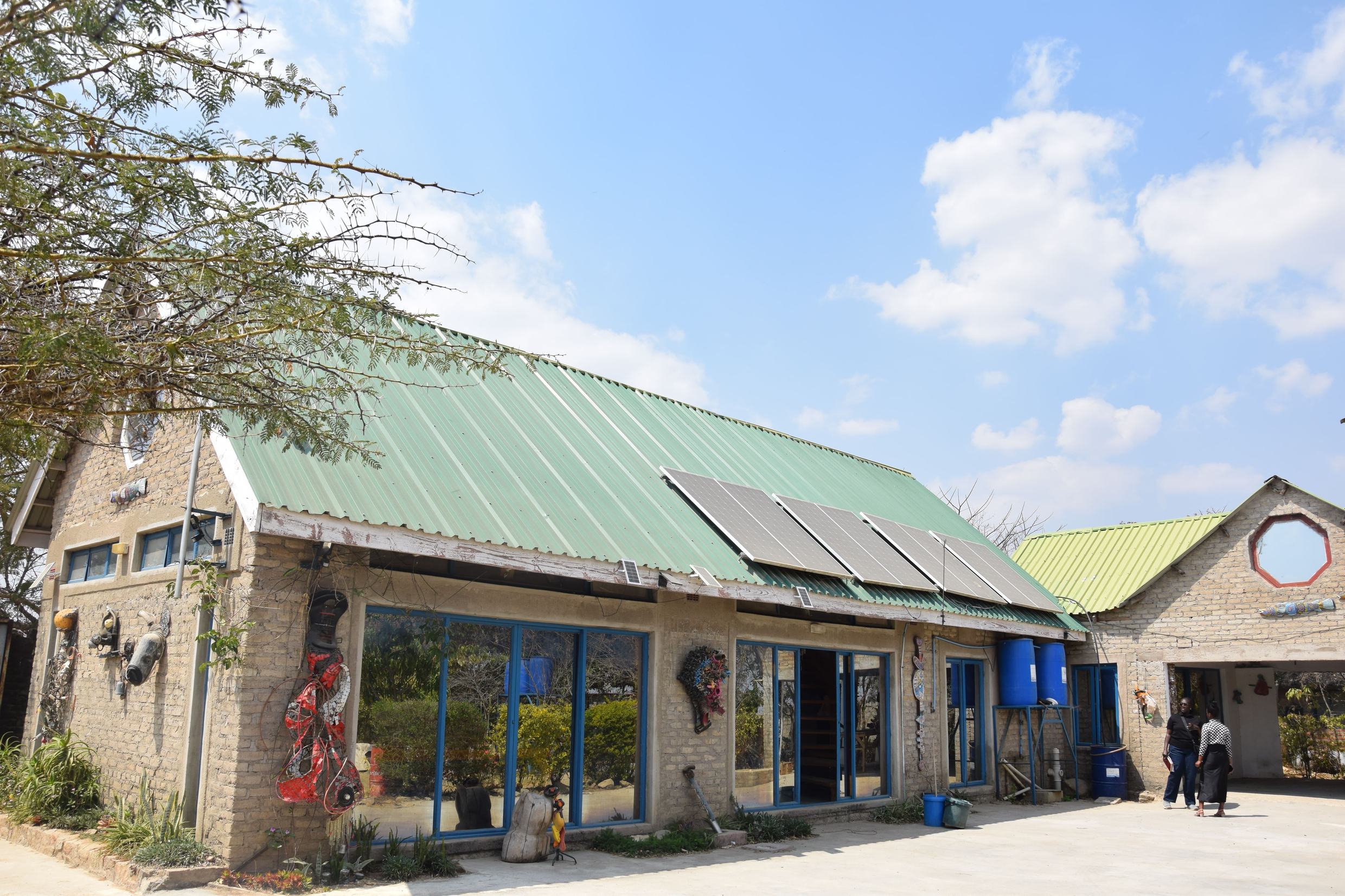
Established by Zimbabwean artist Admire Kamudzengerere, Animal Farm Artist Residency is a pioneering initiative advancing contemporary art dialogue and fostering positive social change from its base in Chitungwiza. Kamudzengerere describes wanting it to be "a catalyst for positive change, both within Zimbabwe and on a global scale." Built on permaculture principles, the residency integrates agricultural initiatives to sustain its community and fund its programming, and includes a printmaking workshop alongside creative exchange, studio practice, and community projects. Recent partnerships, such as the Bridge Visual Arts Residency with the Tyburn Foundation, now fund fully-supported eight-week printmaking residencies for early-career artists, with 2025's cohort drawing participants from South Africa and Zimbabwe. Animal Farm sits within the same lineage as Dzimbanhete — Kamudzengerere having been mentored there before founding his own space — making it a good example, for jubilee purposes, of how NGZ-adjacent training has propagated into independent artist-led infrastructure.
Former Residents include Rachel Monosov, Olga Ganzha, Mbali Tshabalala, Raquel van Haver, Talking Dolls Detroit, Tawanda Reza, Clive Mukucha, Evans Mutenga, Primrose Chingandu and George Masarira.
CECA Couture (Est 2023)
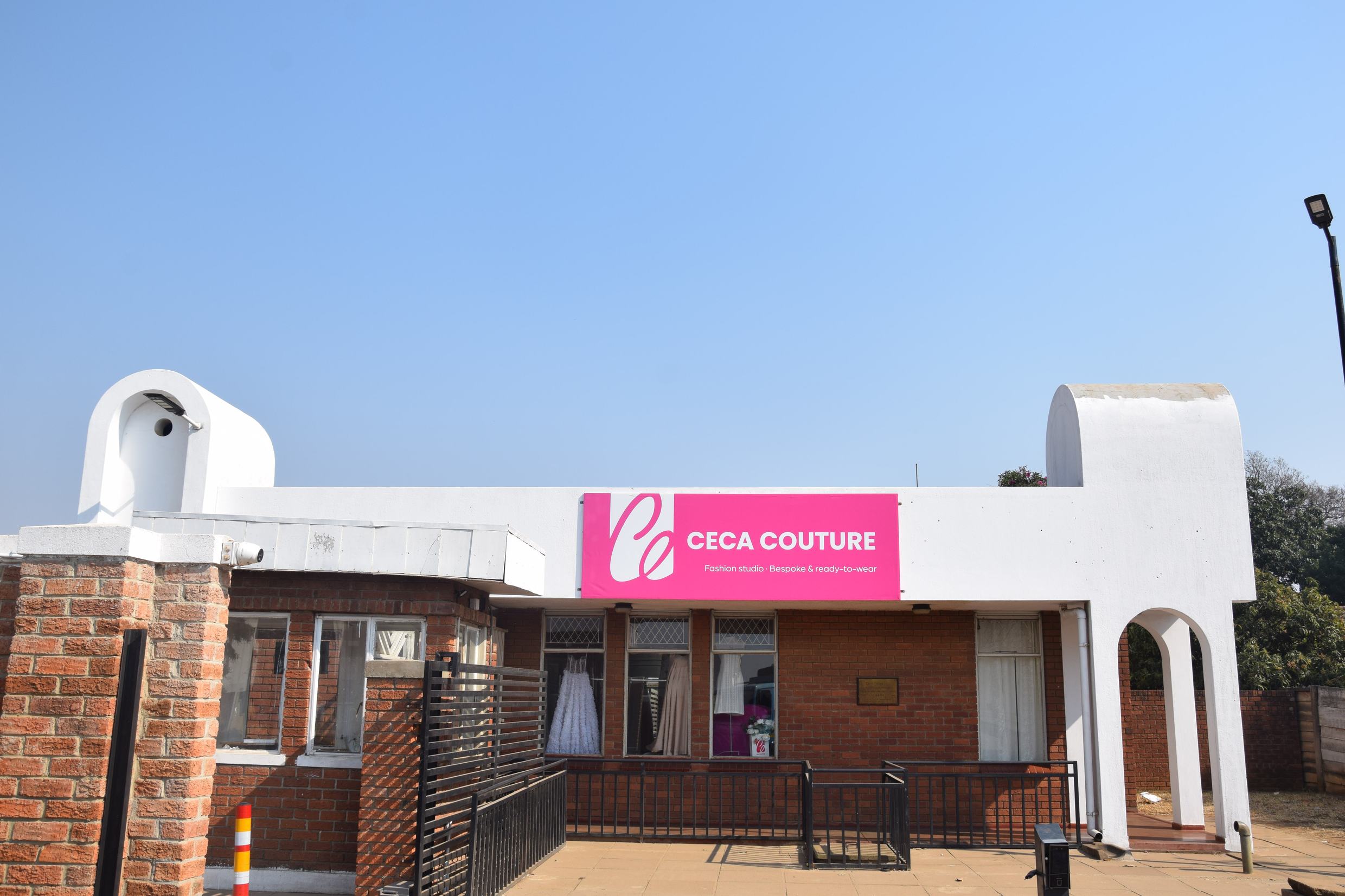
CECA Couture is a contemporary Zimbabwean luxury fashion house that translates the country’s rich heritage, landscapes, and cultural identity into high-end, wearable art. Founded and led by Creative Director Sibonginkosi Makaya, the Harare-based brand bridges the gap between historic storytelling and modern luxury. The label functions as a custodian of Zimbabwe’s history, translating local landscapes, wildlife, and ancient monuments into wearable art. Designs feature dramatic, theatrical craftsmanship with structured and avant-garde shapes that emphasize visibility and confidence.
Chapungu Sculpture Park (Est 1970)
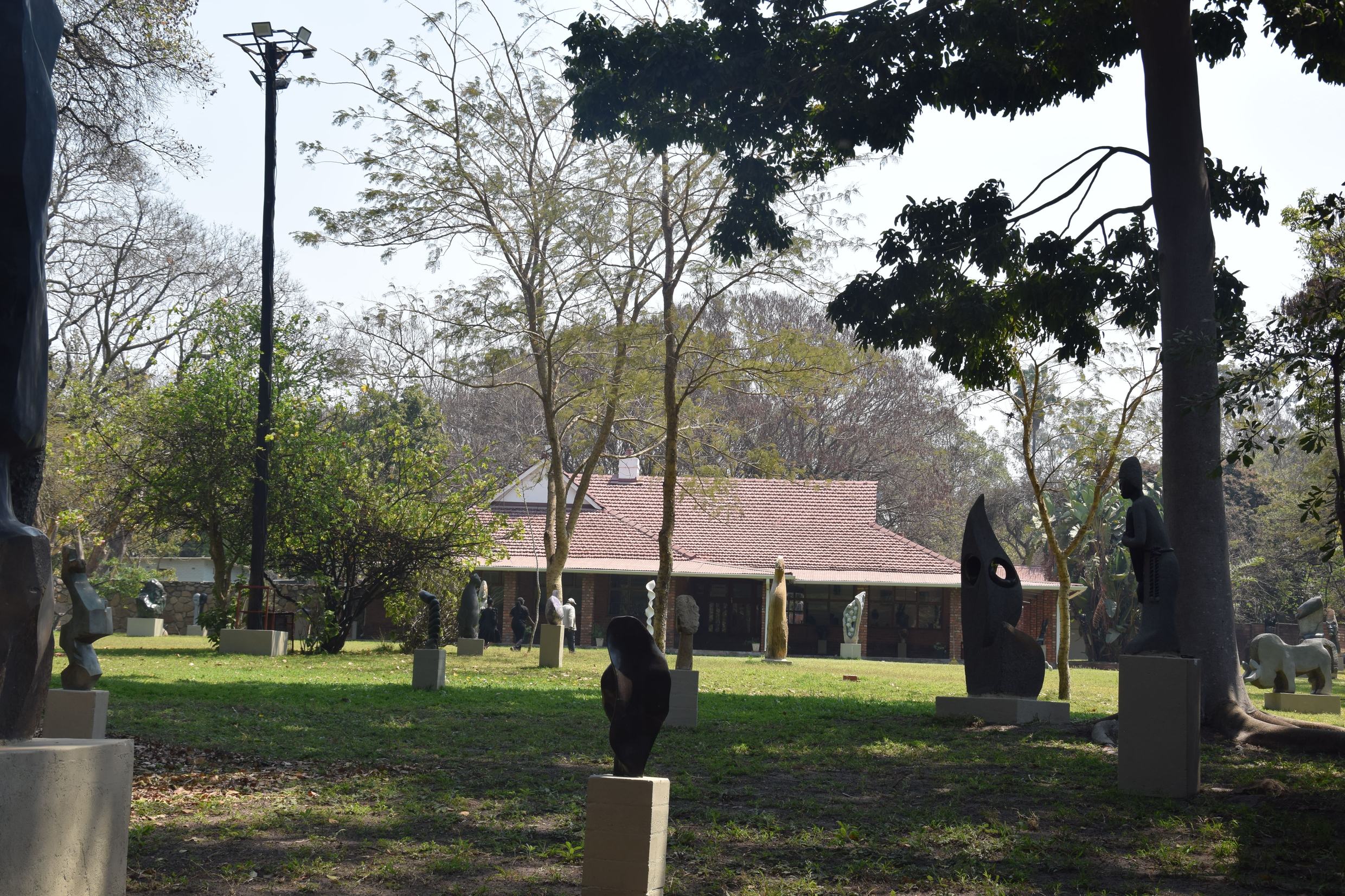
Founded by Roy Guthrie, the park has built up the most important permanent collection of this work in existence through Chapungu. From its humble beginnings as a small gallery in the capital city, Harare, to the 20 acre sculpture park in the outskirts of Harare, and now to its North American location, Chapungu has remained steadfast to its mission. It serves as a creative sanctuary, research archive, and an outdoor museum dedicated specifically to the early, master stone sculptors of Zimbabwe, as well as talent from the Tengenenge Community. The park serves a dual purpose as a nature sanctuary. It is curated to protect native indigenous tree species from local deforestation and uses the stone art—frequently themed around wildlife—to educate the public on local conservation and water systems.
Agnes Nyanhongo, Tapfuma Gutsa, Arthur Fata, Joe Mutasa, Taylor Nkomo, Eddie Masaya, Jonathan Mhondorohuma, Fabian Madamombe, Amos Supuni, Benjamin Katiyo, Leo Berekai, Faro Mavunga, December Mbonge, Gregory Mutasa, Tendayi Mutasa, and Euwitt Nyanhongo have worked in residence at Chapungu.
https://www.chapungusculpturepark.com
Chitungwiza Art Centre (Est 1997)
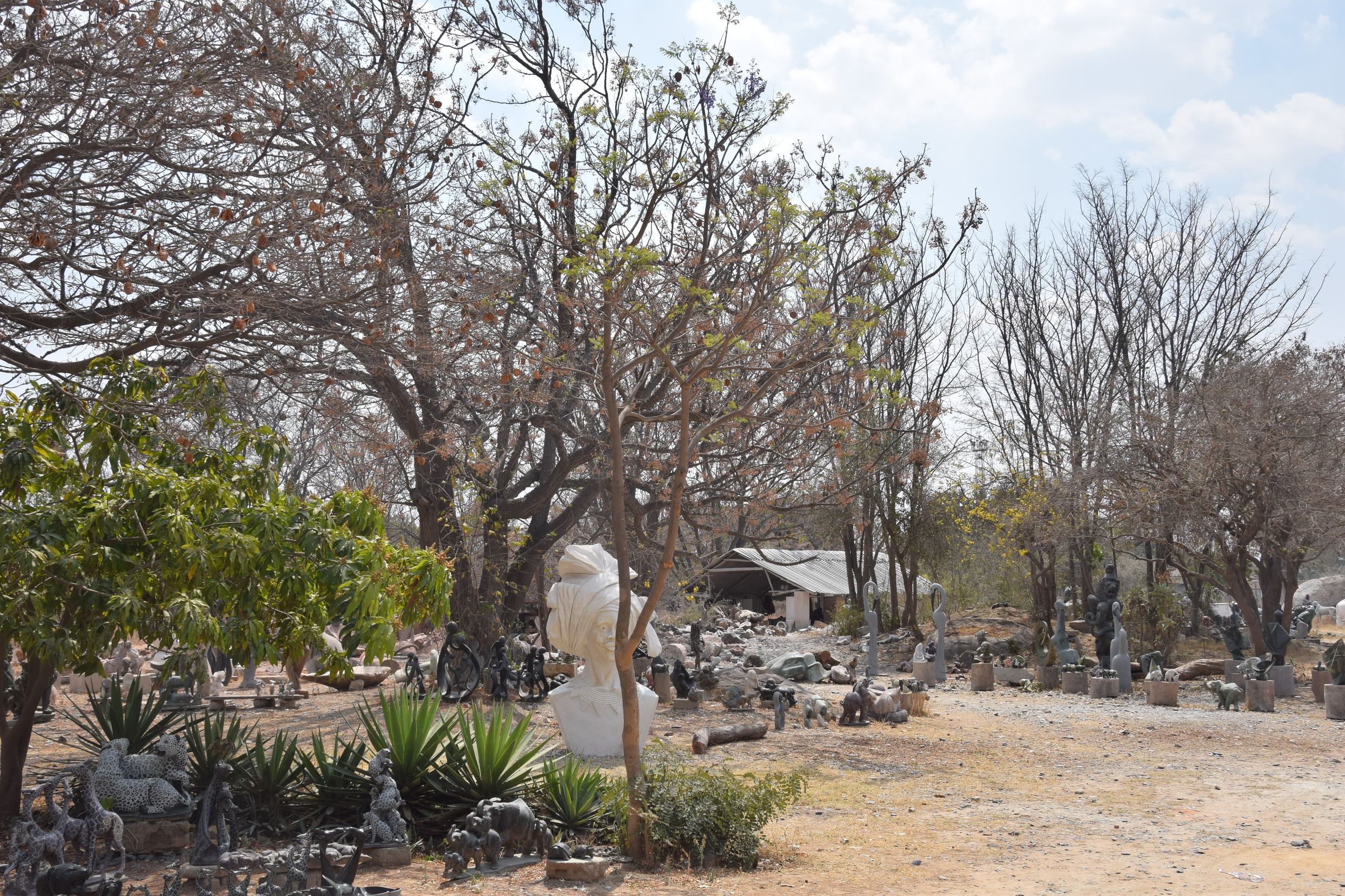
Chitungwiza Arts Centre, located in Zengeza 4 and potentially the largest sculpture hub in southern Africa, was jointly founded by the Ministry of Arts and Culture, the UNDP, and Chitungwiza Town Council in 1997. It began with fewer than 40 sculptors but has grown to more than 400 artists working under its umbrella, making it central to Zimbabwe's stone-sculpture economy. The centre is particularly noted for providing a platform for women, youths, and artists with disabilities, supporting talent development, employment creation, and wider trade opportunities, though its leadership has also flagged softening demand, with some sculptors going months between sales as tourist visitation has declined. It remains a key touchpoint for heritage and craft-economy programming — most recently hosting a 2025 open call tied to the Oxford Zimbabwe Arts Partnership addressing colonial legacy through sculpture. Some of the founding mentors of the centre were Sylvesster Mubayi, Fanizani Akuda and Lazarus Takawira. Onias Mupumha Ishmael Chitiyo, Taurai Mupisiri,Chemedu Jemali and Chituwa Jemali operate from the site.
Dominic Studio (Est 1994)
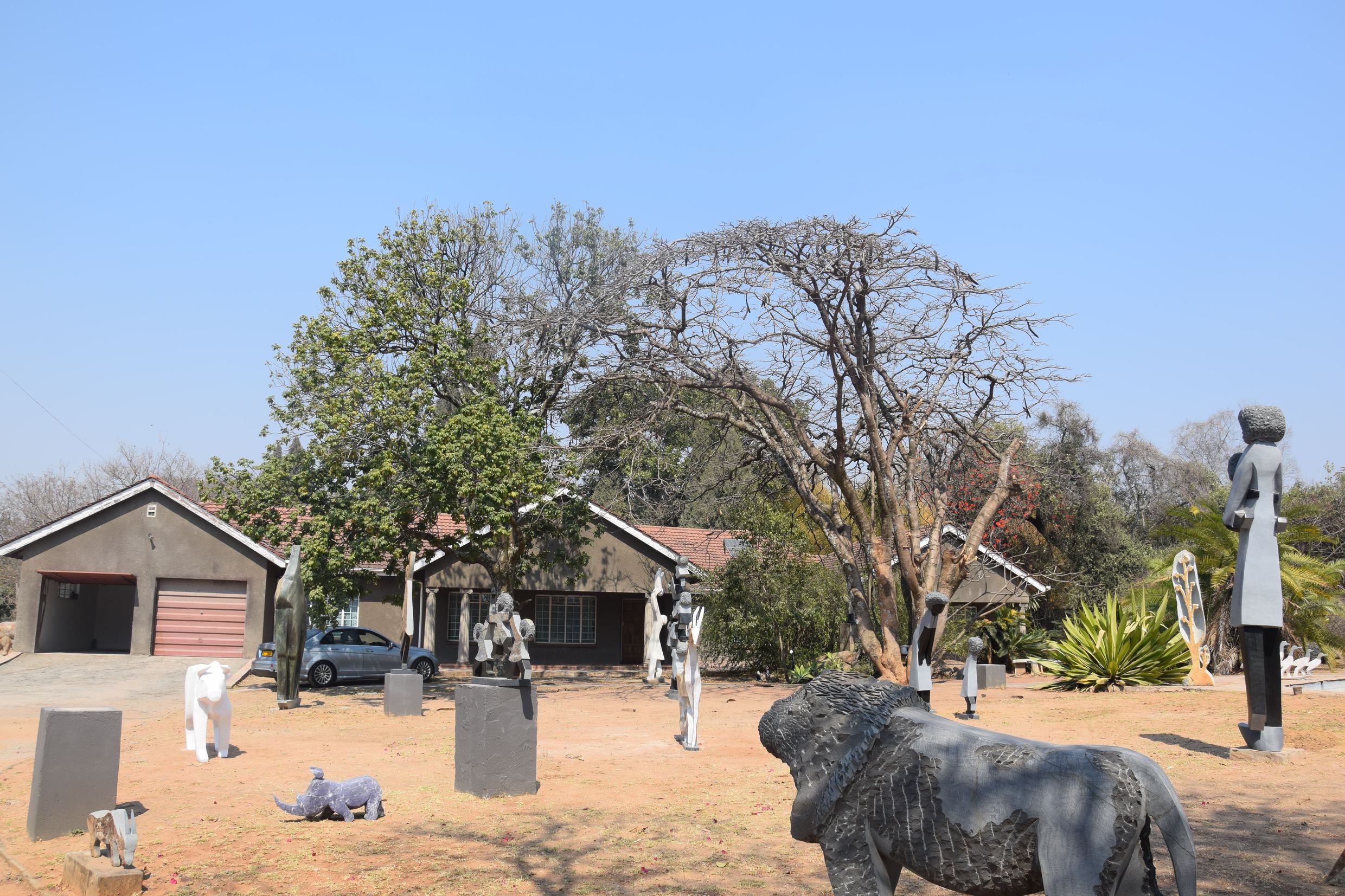
Most prominently tied to the local region is the renowned sculpture workspace in Harare. The studio incubates local sculpting talent, exhibits prominent Shona stone carvings, and showcases international award-winning works. After completing a transformative five-year artist residency at Chapungu Sculpture Park between 1990 and 1994, Benhura chose to establish his own independent workspace. Having grown up as an orphan, he wanted to support talented, under-resourced artists who lacked proper working facilities. Panashe Wadarewa,Samkele Mhlaba, Jay Mariga,Brita Masalethulini, Brighton Layson, Godfrey Marufu, Garrison Machinjilli work at the studio.
Dzimbanhete Art interactions (Est 2008)
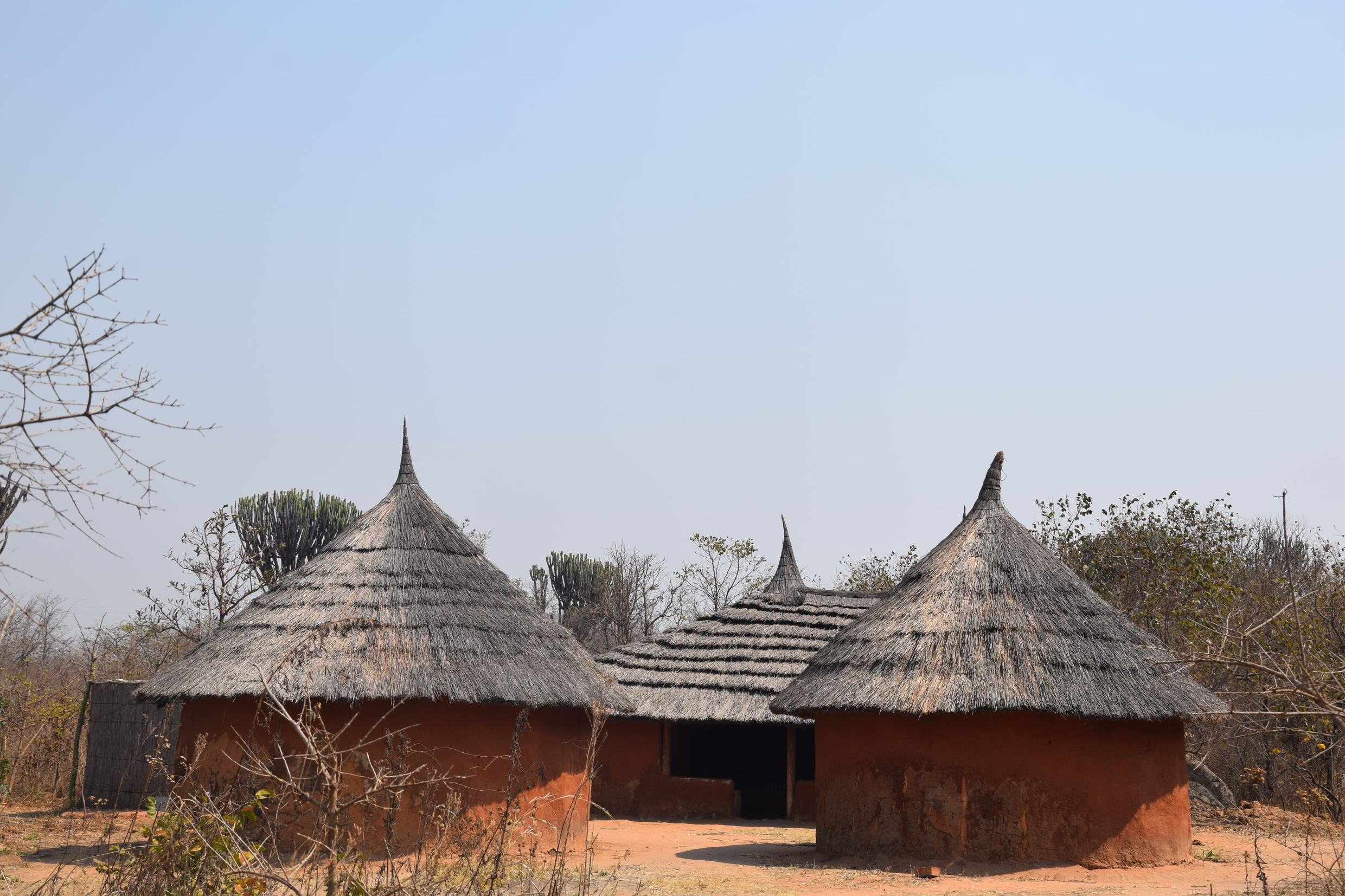
Founded in 2008, Dzimbanhete Arts and Culture Interactions Trust (DACIT) is an arts and culture resource centre prioritising heritage preservation, situated some 25km outside Harare along the Bulawayo road, on Stonehurst farm. Founded by educator and printmaker Chikonzero "Chiko" Chazunguza, Dzimbanhete has produced an extraordinary run of Venice Biennale representatives — painters Portia Zvavahera, Gareth Nyandoro and Virginia Chihota, artist and teacher Masimba Hwati, artist Kudzanai-Violet Hwami, and sculptor Terrence Musekiwa all passed through the centre before representing Zimbabwe in Venice. Its programming spans mbira and folk-music festivals, printmaking training, and the ambitious All Afrika Village project — a planned 55-village architectural park intended to represent indigenous building traditions from across the continent. As the training ground behind Animal Farm, Tarisa, and much of the current Venice-representing generation, Dzimbanhete functions as an informal upstream mentor institution to NGZ's own artist pipeline.
First Floor Gallery (Est 2009)
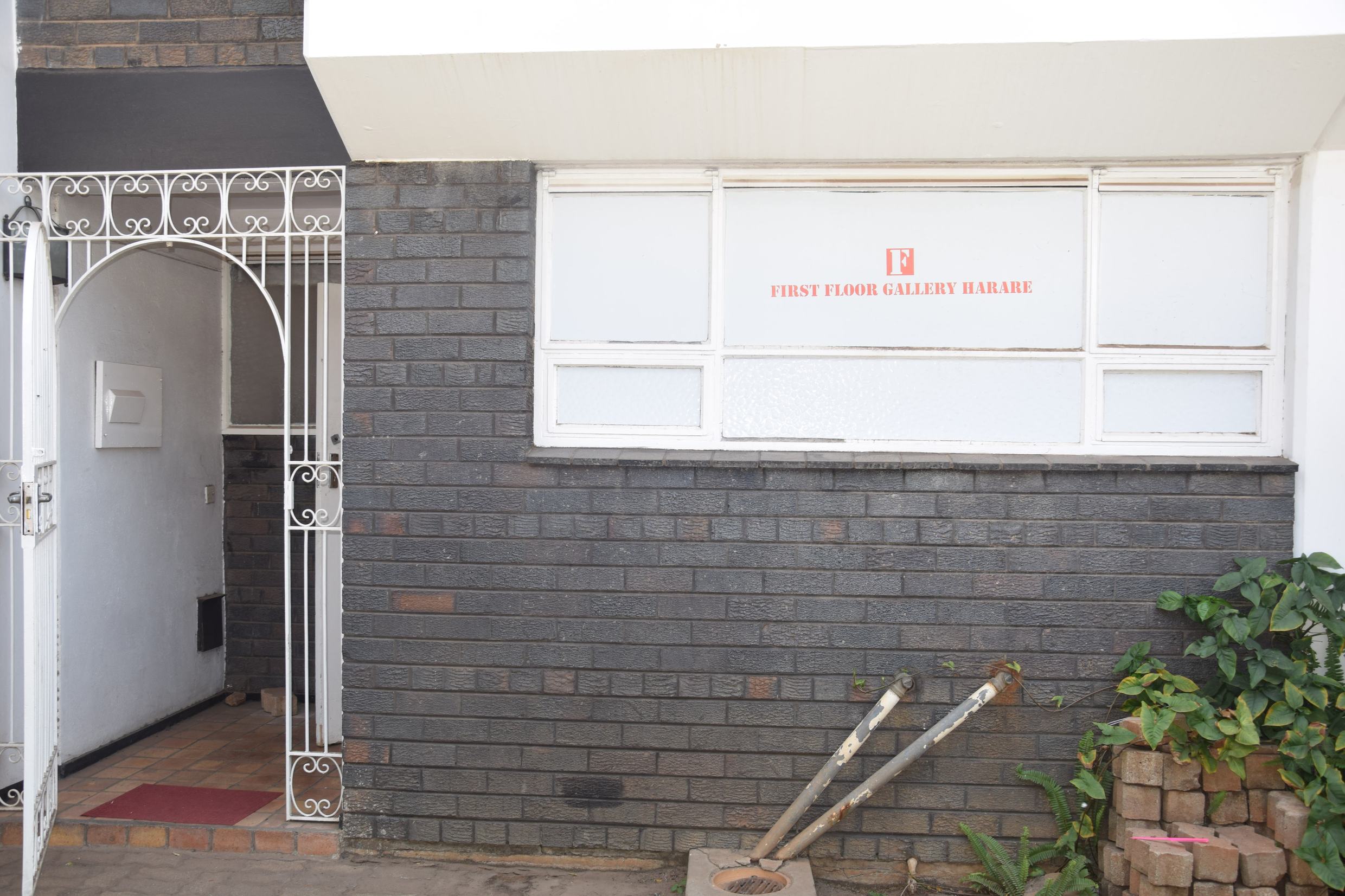
Zimbabwe’s leading contemporary art space with a programme which incorporates artist development and educational and socially engaged cultural initiatives alongside gallery practice, First Floor Gallery Harare has launched numerous international careers of Zimbabwean artists and beyond, and transforming art purchases into investments. It began as an experimental, artist-run initiative created to bypass standard institutional barriers. It specializes in discovered talent development, local artist residency programs, and international market curation to transition young African artists onto global exhibition platforms. The Gallery features artists such as Wycliffe Mundopa, Gresham Tapiwa Nyaude, Troy Makaza, Amanda Shingirai Mushate, Helen Teede, Anne Zanele Mutema, Grace NyahangareAgain Chokuwamba, Shamilla Aasha, Zacharaha Magasa, Takunda Regis Billiat Mavis Tauzeni and Victor Nyakauru.
https://www.firstfloorgalleryharare.com/
Kumba Kwedu (Est 2023)
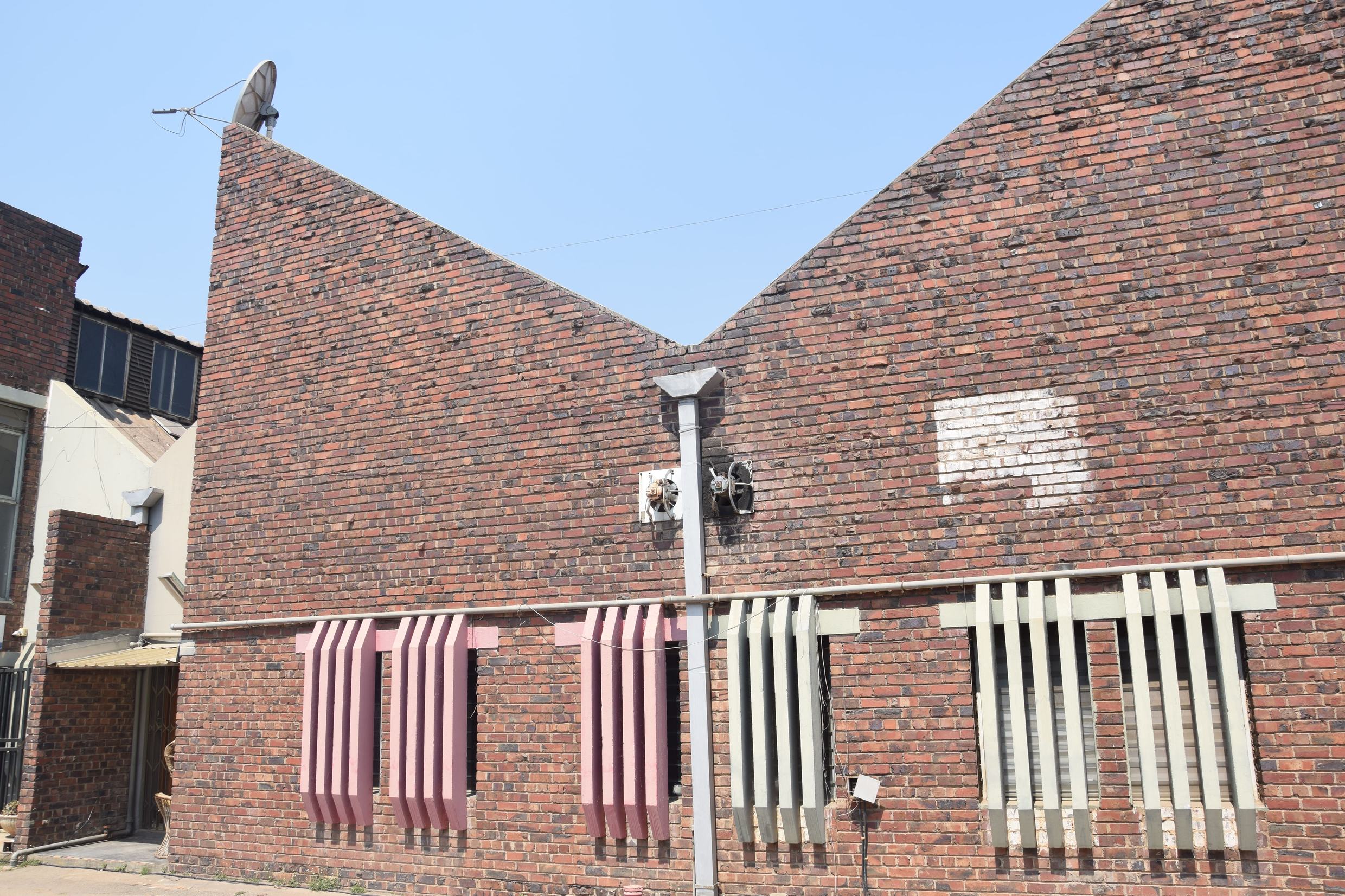
A studio based in the light industrial area of Msasa established by Virginia Chihota, a prominent Zimbabwean contemporary artist born in 1983 in Chitungwiza, known for her deeply introspective works that blend drawing, printmaking, and screen-printing. Her art heavily navigates the complex emotional realities of the female form, addressing deeply personal yet universal themes like childbearing, marriage, kinship, cultural isolation, and spiritual faith. Felix Shumba currently operates from Kumba Kwedu.
Michele Mathison will be the artist in residence at Kumba Kwedu, Harare, during the period of the CIMAM Conference in Harare.
Michele Mathison’s sculptural practice explores how objects and materials acquire meaning through their histories, uses and social contexts. His early work focused on found objects whose significance had been transformed by circumstance. The jerry can, for example, became a charged object during Zimbabwe’s fuel shortages, shifting from an everyday container to something associated with informal trade and survival.
His practice has since expanded into an investigation of material itself, and how its use and appropriation can transform its value and meaning. Form is equally important. Through changes in scale and geometry, familiar materials can move beyond their original function and evoke new associations and memories.
Rather than beginning with a fixed narrative, Mathison allows meaning to emerge through the relationship between material and form. Working with stone, steel, ceramic, wood and bronze, his practice increasingly extends into architecture, landscape and public space, where physical encounter becomes part of the work’s meaning.
https://www.michelemathison.com/
Mbare Art Space (Est 2019)
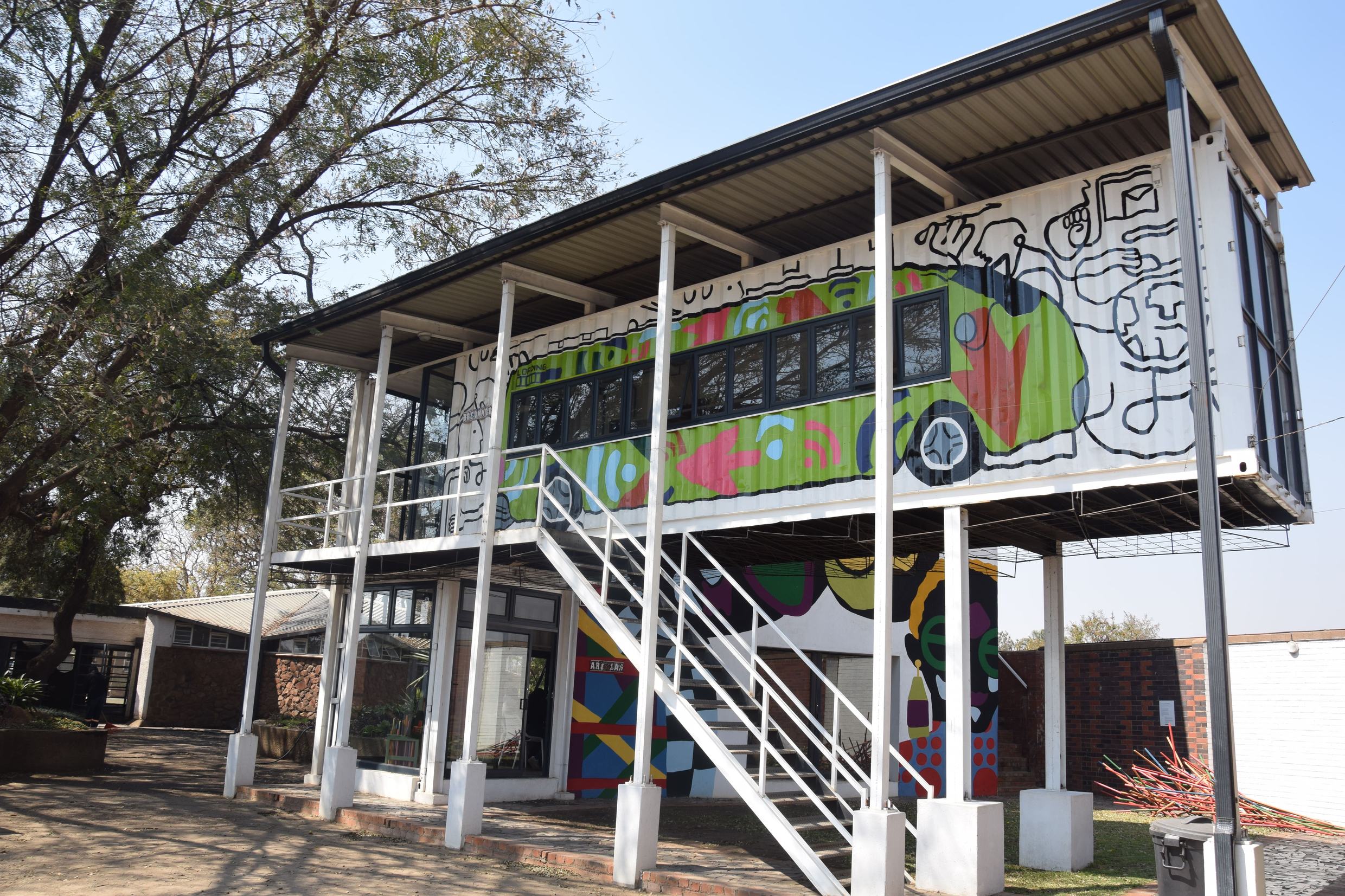
Uses art to re-imagine physical spaces and create opportunity and build community. Mbare Art Space extends beyond the physical place to a network of artists and serves as a platform for connecting local and global art communities. The Urban Culture & Heritage Initiative, a non-profit Zimbabwean trust, was formed to manage the creation of Mbare Art Space, a major urban renewal project in the oldest, most densely populated community of Harare, Zimbabwe. Their primary objective is to establish a beautiful, functional and sustainable arts community and studio space. We are responsible for overseeing the transformation of the existing property, operating the arts center and facilitating community outreach. We are partnering with leading architecture programs in Germany and the US, local and international artists, private citizens and corporate sponsors to bring this vision to life and sustain it long term. Takunda Regis Billiat, Kimberly Tatenda Gakanje, William Joseph Kachinjika, Nkosiyabo Frank Nyoni, Tafadzwa Benson Chataika, Lomedy MhakoMarcus Zvinavashe and CaliGraph Collective operate from this site.
National Gallery of Zimbabwe (Est 1957)
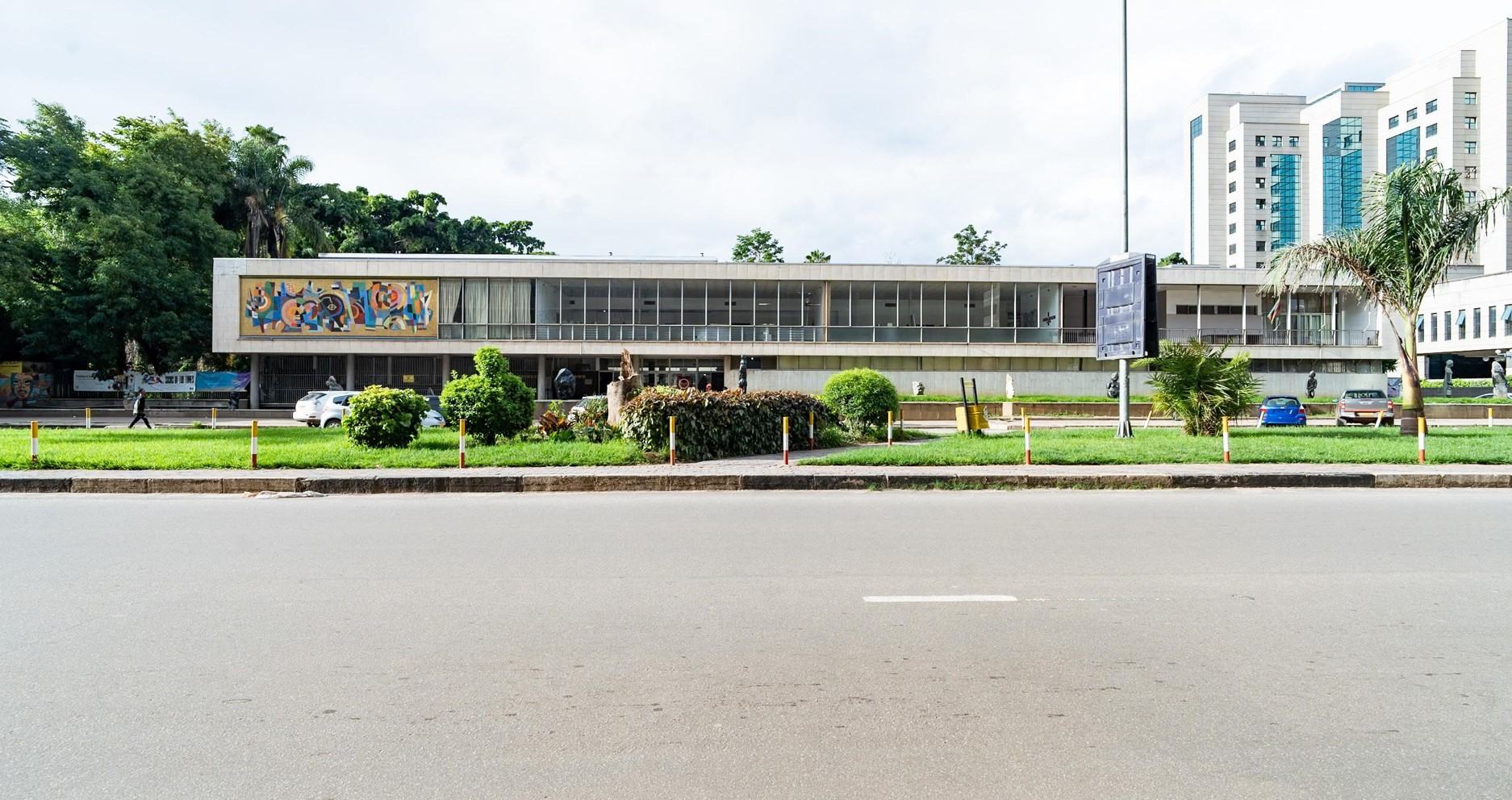
The country's premier institution for the presentation, preservation, and conservation of Zimbabwe's contemporary art and visual heritage. Officially opened on July 16, 1957, by Queen Elizabeth The Queen Mother, the institution has played a central role in launching Zimbabwean contemporary art and Shona stone sculpture onto the global stage. The gallery houses a permanent repository of close to 6,000 artworks. This diverse collection spans master Shona stone sculptures, contemporary avant-garde paintings, multi-disciplinary installations, and traditional cultural artifacts like textiles and basketry. Headquartered in Harare, the institution operates a national network that includes regional galleries in Bulawayo (Douslin House), Victoria Falls, and an art community center in Tengenenge. The institution has had seven directors; Fran McEwen, Brian Bradshaw, Christopher Till, Cyril Rogers, George Kahari, Doreen Sibanda and Raphael Chikukwa.
http://www.nationalgallery.co.zw
National Museum of Human Sciences (Est 1903)
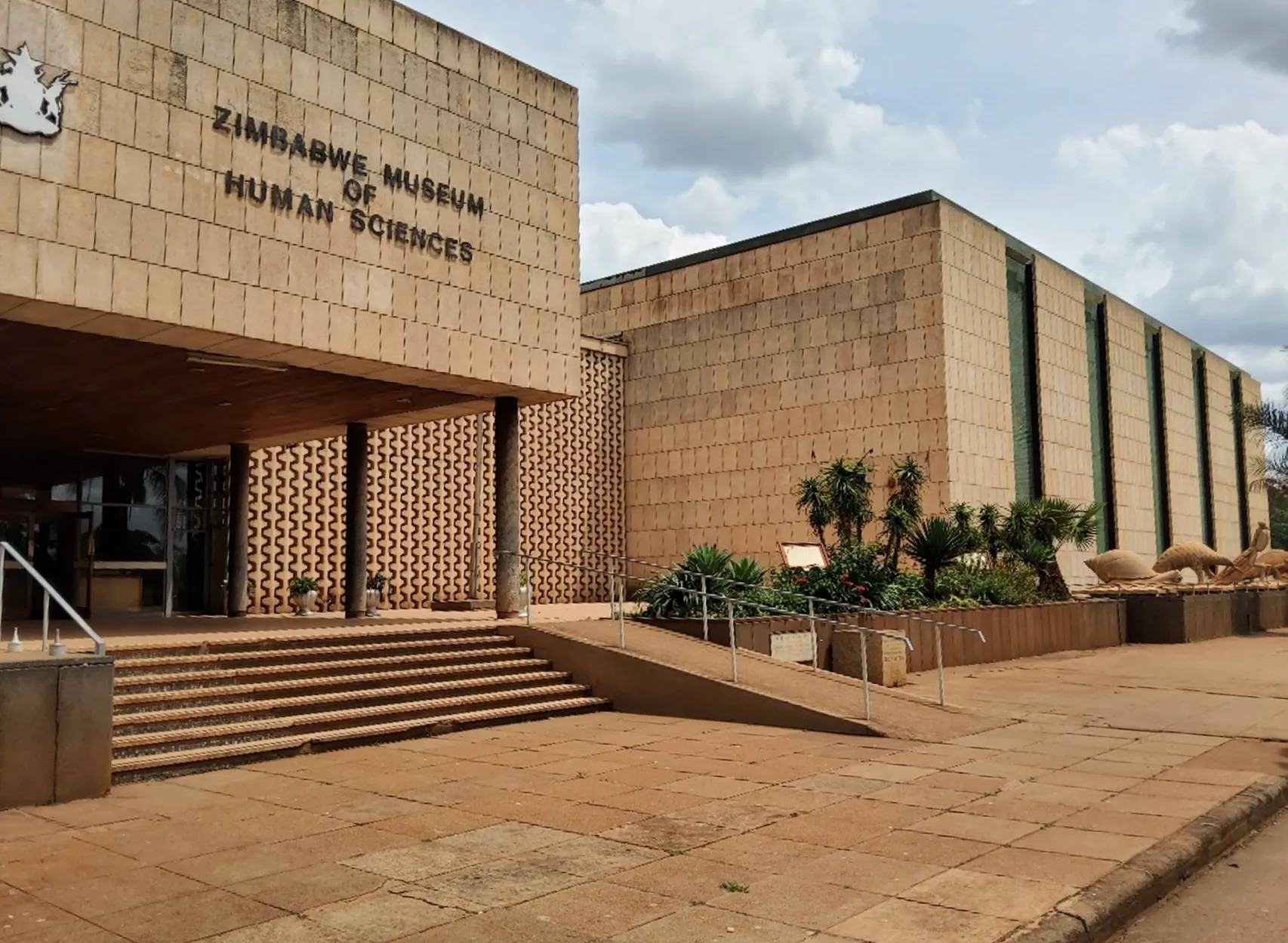
The Zimbabwe Museum of Human Sciences is located in the Civic Centre on Burnett Way (Rotten Row) in Harare. It features archaeological treasures like the 700-year-old Ngoma Lungundu drum, a life-sized traditional Shona village replica, and extensive human evolution galleries.
NGSVAD (Est 1980)
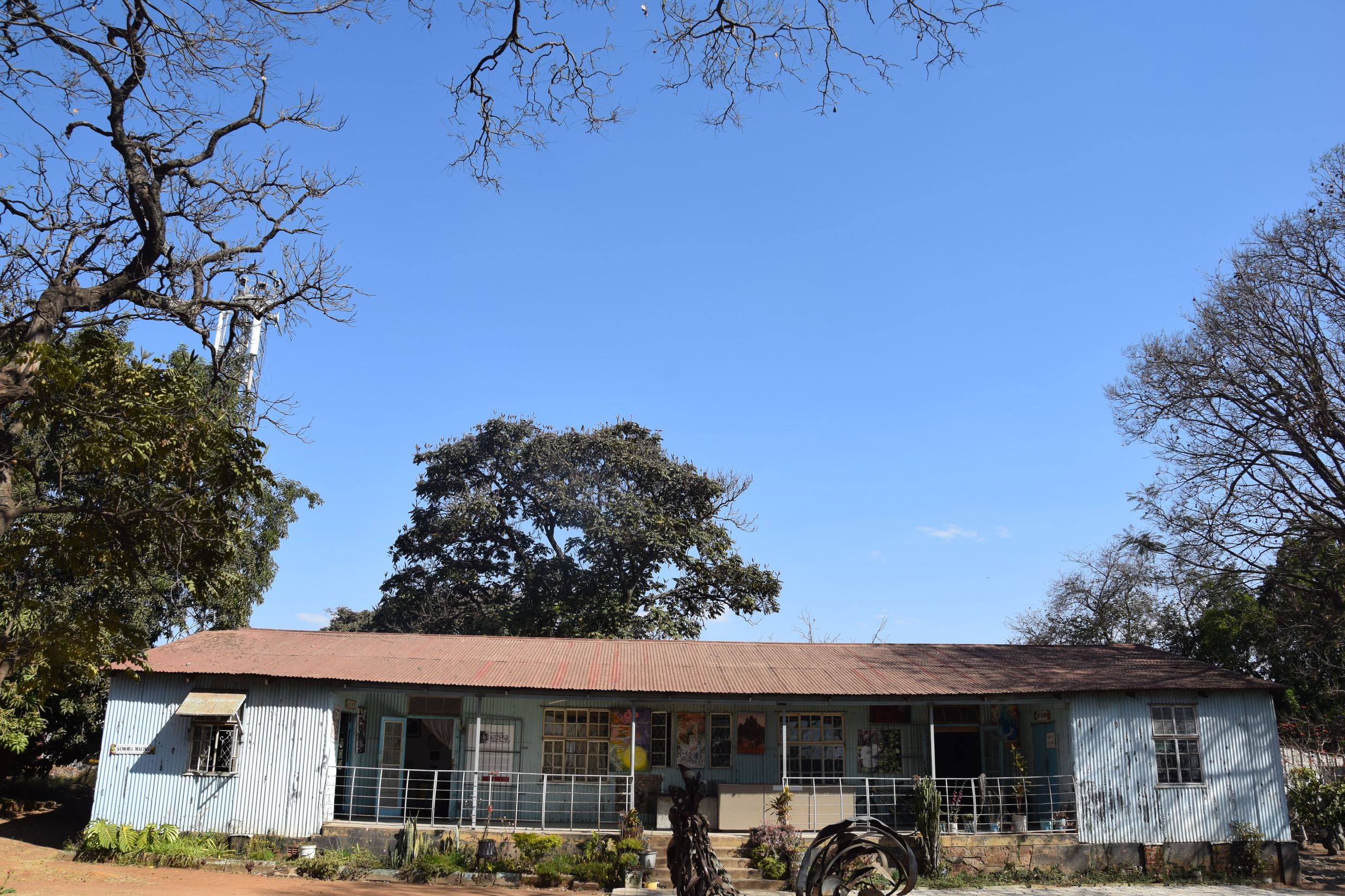
NGSVAD (National Gallery School of Visual Art and Design)
The National Gallery School of Visual Art and Design (NGSVAD) is NGZ's own training ground, based at the Beatrice Cottages campus in Mbare and historically known as BAT (Bulawayo Art Trust) and Visual Art Studios before its formal registration in 2012 under Ministry of Higher and Tertiary Education approval, offering two certificate levels in visual arts and design awarded jointly with Harare Polytechnic. Its roots trace back to the earlier Workshop School tradition that predates independence, and it has functioned as the country's closest thing to a dedicated tertiary fine-art institution. NGSVAD's alumni list reads as a roll call of Zimbabwe's most internationally visible contemporary artists — Virginia Chihota and Portia Zvavahera trained at the BAT Visual Art Studios before completing a diploma at Harare Polytechnic, while Troy Makaza and other Zeitz MOCAA-featured artists studied painting and sculpture there. For the Platinum Jubilee narrative, NGSVAD is best framed as NGZ's pipeline institution — the place where the Gallery's mandate to nurture, and not just exhibit, is made concrete.
Notable alumni include Portia Zvavahera, Virginia Chihota, Wallen Mapondera Admire Kamudzengerere Chikonzero (Chiko) Chazunguza, the late Munyaradzi Mazarire, Mercy MoyoKresia Mkwazhi Evans Tinashe Mutenga, the late Locadia Ndandarika, the late Joseph Ndandarika, Terence Musekiwa, Troy Makaza, Shalom Kufakwatenzi and Nothando Chiwanga.
https://nationalgallery.co.zw/national-gallery-school-of-arts-and-design/
Nhaka Gallery (Est 2021)
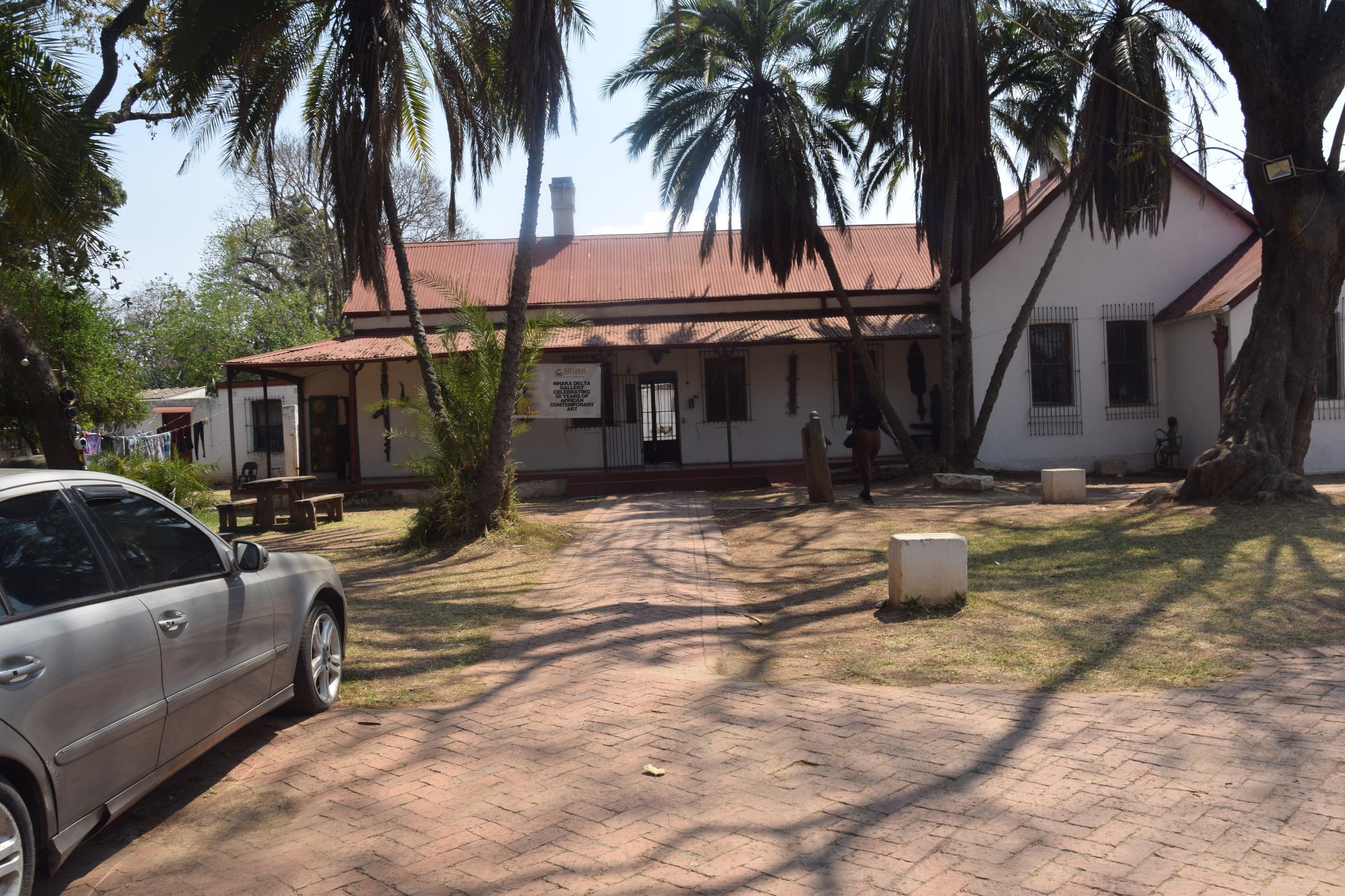
Established in 1975 by Helen Lieros and Derek Huggins as Gallery Delta, with the founding vision to promote and showcase Zimbabwean art across painting, graphics, mixed media, sculpture, and ceramics, the space transitioned to Delta Gallery Nhaka in 2021 following the passing of both founders, now directed by art-business figures, investors, artists, and curators. It operates under the Women's Gallery Arts and Research Trust, with the stated aim of building a creative, safe, dynamic space for nurturing Zimbabwe's next generation of artists. Recent programming has leaned into gender-forward curation, including a 2023 exhibition, "Women, Power & Mobility," produced with Mobility for Africa and supported by the Swiss and Australian embassies and UN Women, and it continues to run a formal Helen Lieros legacy art programme honouring its founder's six-decade career. Nhaka is one of the clearest through-lines from NGZ's own founding generation into present-day Harare gallery practice. The gallery works with Collins Nyaningwe, Keith Zenda, Lilian Magodi, Webster Mubaireni and Brave Gavaza
Nherera Hub (Est 2022)
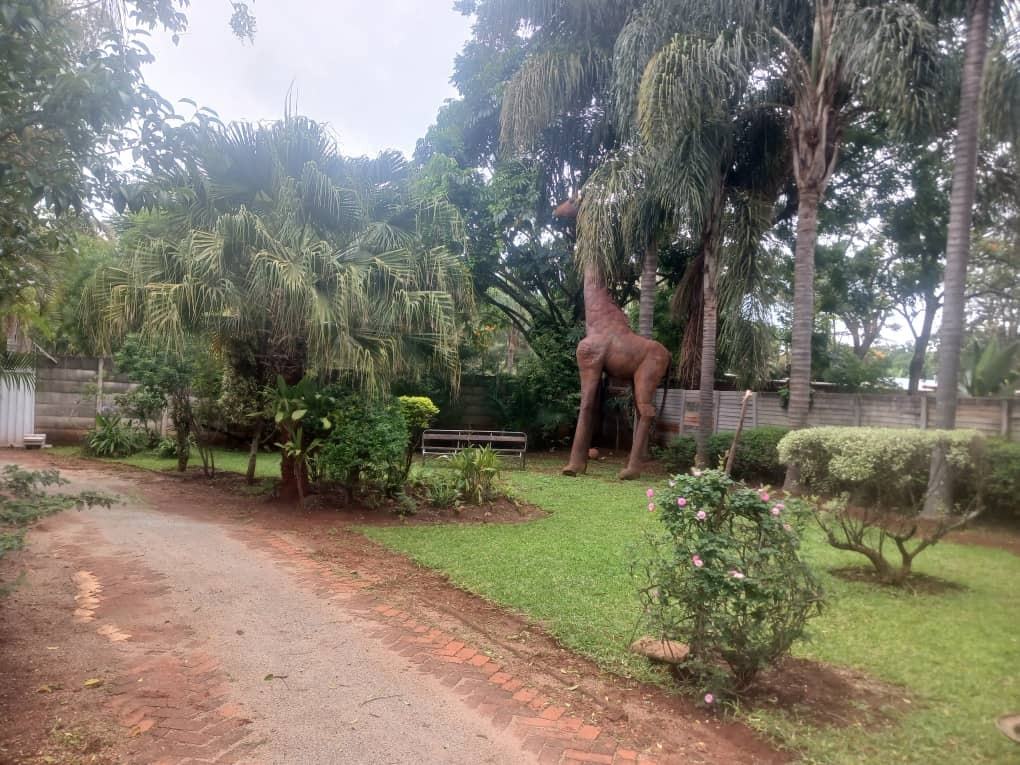
A female-run cultural space in Zimbabwe that offers all creative people a safe place to come together to explore aesthetic processes of thinking accessed with and through the body. Finding intellectual space within our individual and collective movements, the HUB provides a platform for generative thought to develop as both creative practice and communal ritual.
Nherera HUB seeks to provide access to residency space, library archives, and a state-of-the-art sound studio for creators and thinkers coming from near and far to advance projects that take their form from within the global south. The compound also features productive gardens and a wood-fire kitchen, offering the opportunity to participate in a return to culinary arts that is informed by local and traditional practices. Some of the hhubs creative engagements have come through McIntosh Pedzisai, Vusa Moyo, Fatima and Beauty Katiji, Company Chabarwa and vaMajeza.
Tarisa Visual Art Studios (Est 2013)
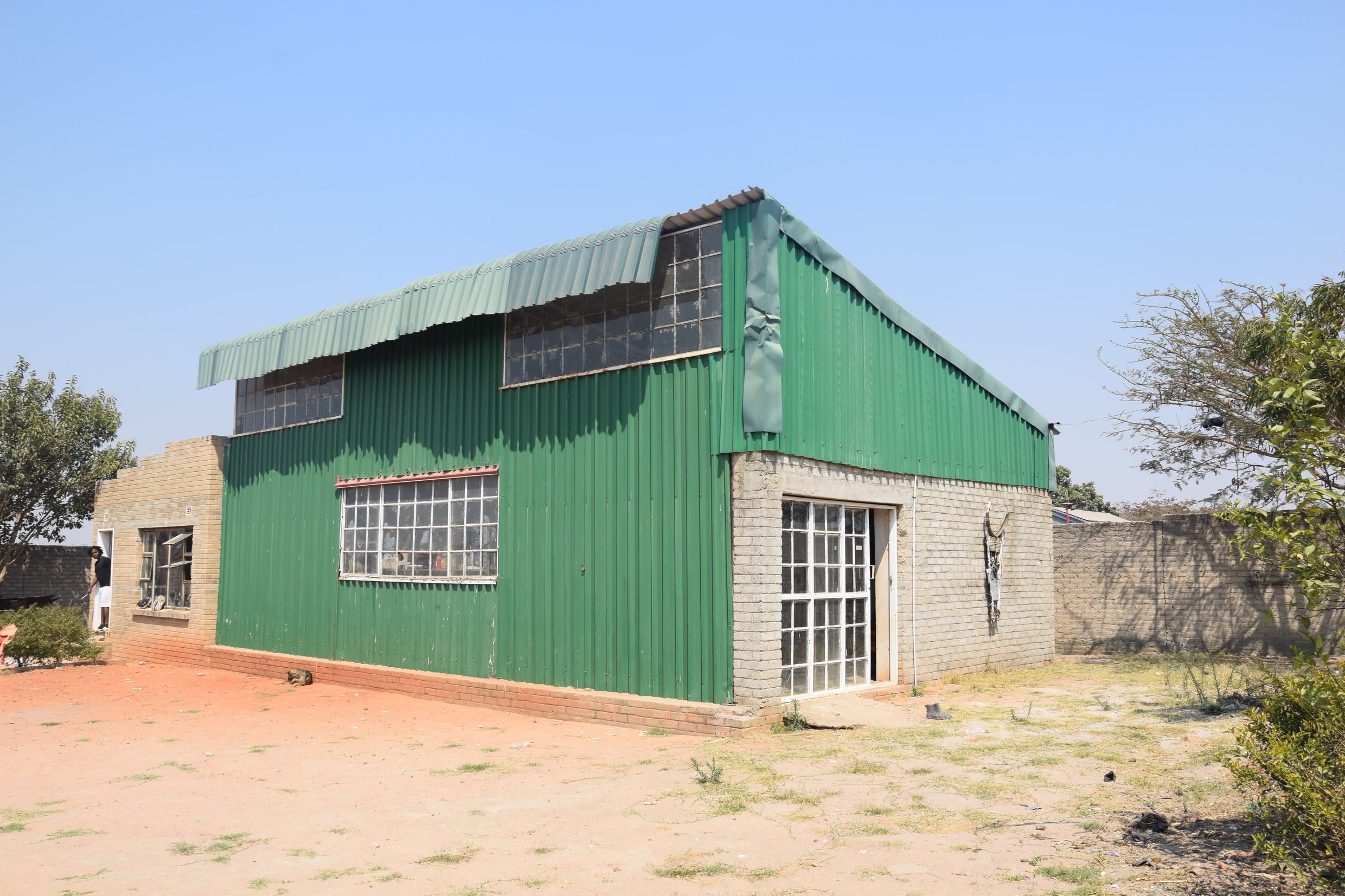
Tarisa Visual Art Studio was founded by Gareth Nyandoro, born in 1982 in Bikita, Zimbabwe, who trained at Harare Polytechnic (National Diploma in Fine Art, 2003) and Chinhoyi University of Technology (Bachelor of Technology in Creative Art and Design, 2008). The studio operates out of Damofalls, Ruwa, where Nyandoro develops his signature "kucheka cheka" technique — named after the Shona verb "cheka," meaning "to cut," and involving cutting directly into paper before inking and lifting the top layer to leave ink in the incisions. Nyandoro represented Zimbabwe at the 56th Venice Biennale in 2015 and has since shown at the Palais de Tokyo, Van Doren Waxter, and Tiwani Contemporary. As one of the four collectives (alongside Animal Farm, Village Unhu, and Post Studio) featured in NGZ's landmark "A Gathering" exhibition, Tarisa exemplifies the same DACIT-to-independent-studio lineage as Animal Farm, reinforcing how much of Harare's most visible contemporary practice threads back through Chazunguza's mentorship. Wilfred Timire, Clarence Murenza and Tafadzwa Dzuda are some of the artists working at the studio.
Village Unhu (Est 2009)
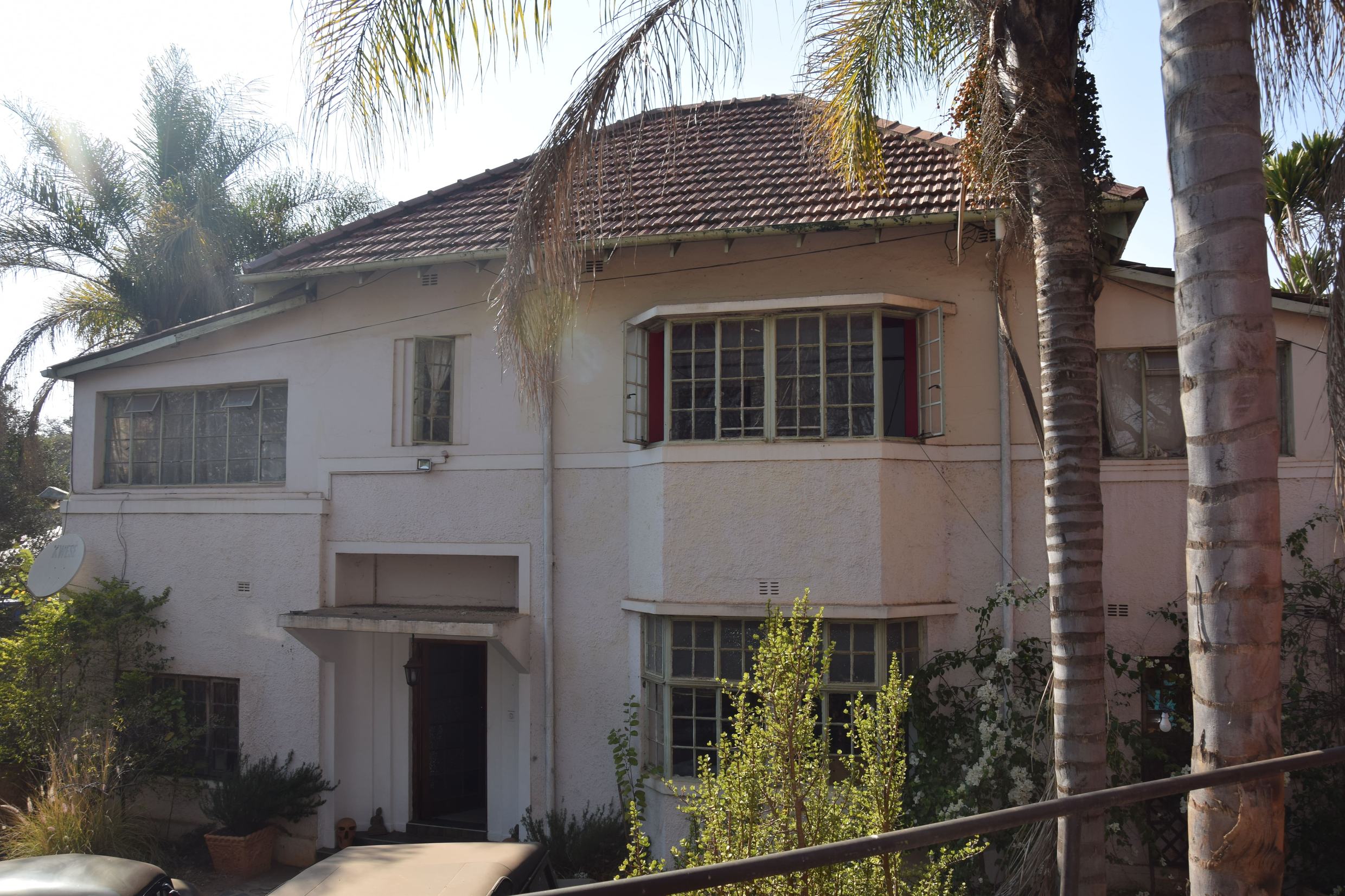
An artist-led creative space and community hub founded in 2009 in Harare, Zimbabwe, it operates on the philosophy of unhu (Ubuntu), functioning as an extended family to support local contemporary art. Studio Spaces: Affordable working areas for local and upcoming visual artists to create and experiment. Local and international artist-in-residence exchanges fostering cross-cultural dialogue: Educational programs covering drawing, painting, multimedia sculpture, and critical thinking all while showcasing under-represented contemporary Zimbabwean artists such as Epheas Maposa, Gideon Gomo, Evans Tinashe Mutenga, Tawanda Takura, Nyasha Marovatsanga, Kenny Maruta and Lawrence Duri
Wallen Mapondera Studio (Est 2025)
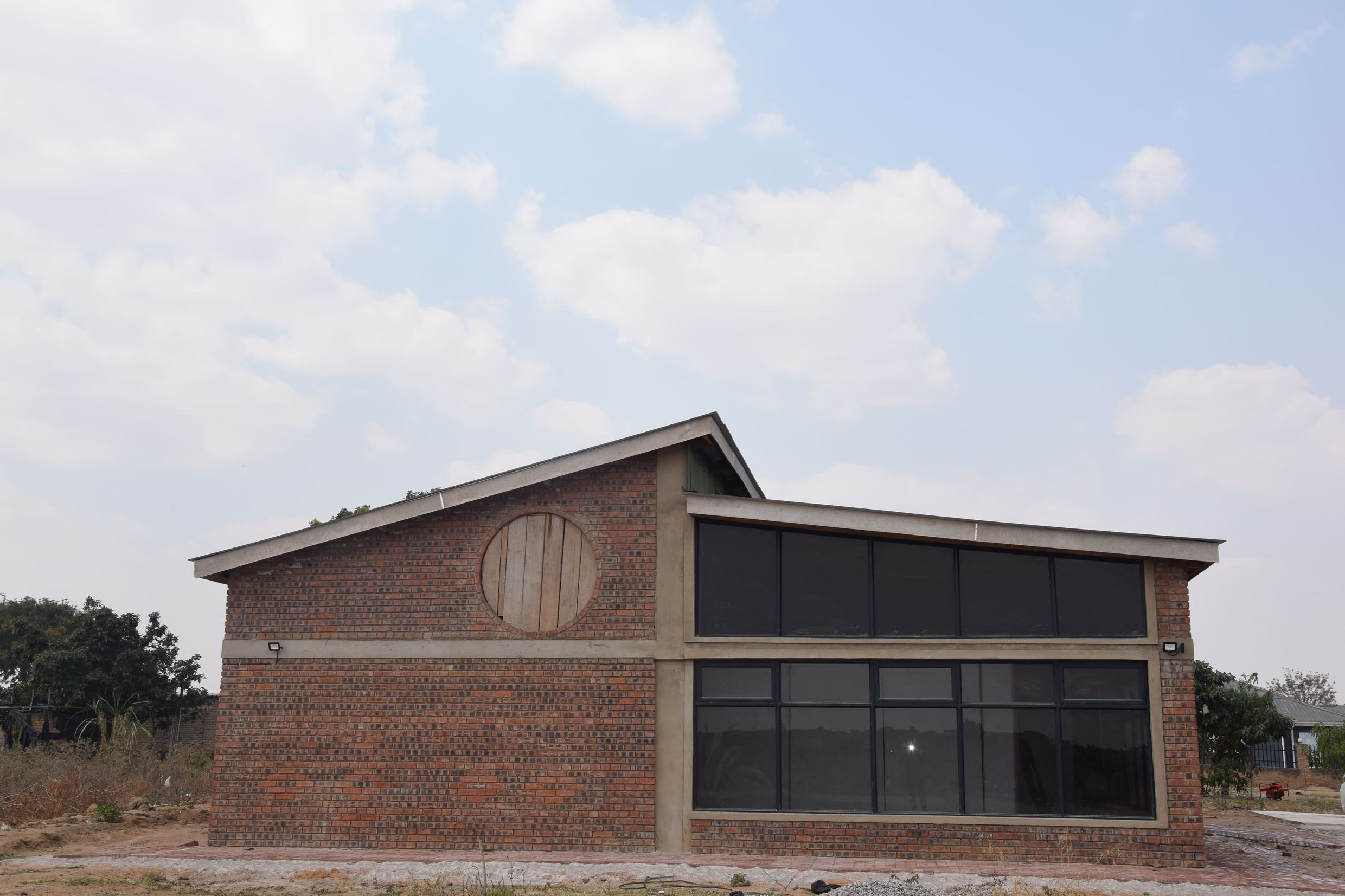
WMS emerged from a recognised gap: despite large numbers of artists graduating from the National Gallery Visual Art Studio and Harare Polytechnic, many lacked grounding in self-promotion and professional practice. It has since become an establishment set up for the advancement of contemporary visual art practice and education in Zimbabwe, playing a role in shaping the future of visual art through sharing expertise, education, and promotion of artists. The studio has hosted formal residencies (Takudzwa Guzha's migration-themed body of work among them) and remains a fixture of Harare's art-fair circuit, including recent participation in the Cheuka Harare Art Fair.
ZUVVA (Est 1995)
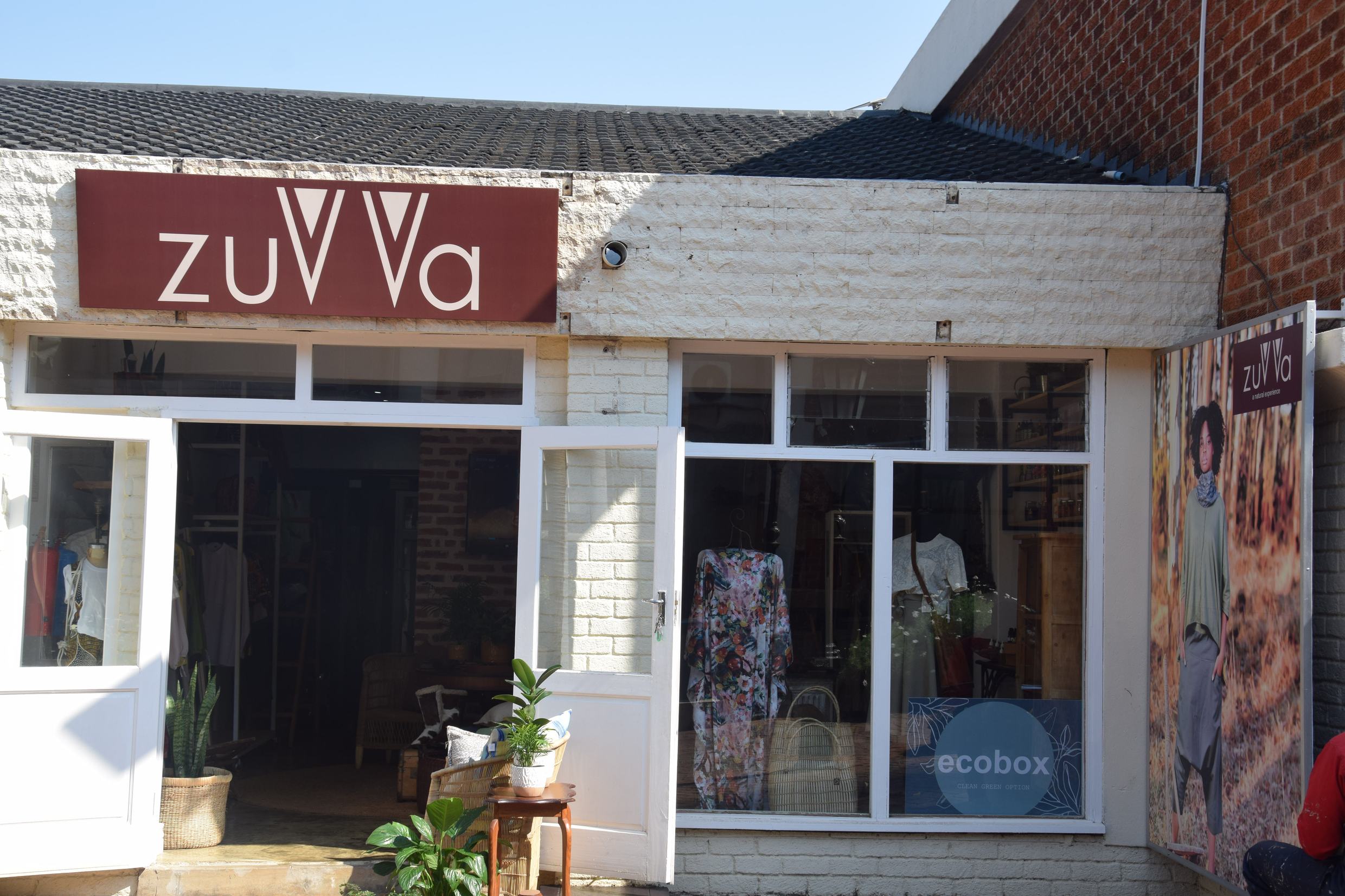
Zuvva is a Contemporary, Ready To Wear, Eco Friendly, Slow Fashion and Lifestyle Brand that is inspired by Africa, designed and manufactured in Zimbabwe. The fashion studio and lifestyle brand have spent decades weaving local heritage, sustainable slow fashion, and African- inspired aesthetics into contemporary ready to wear garments. Hosi Wellness Range: Beyond apparel, the studio promotes a holistic African lifestyle, incorporating the Hosi wellness and beauty range into their physical retail experience.
Zvavahera Gomo Studio
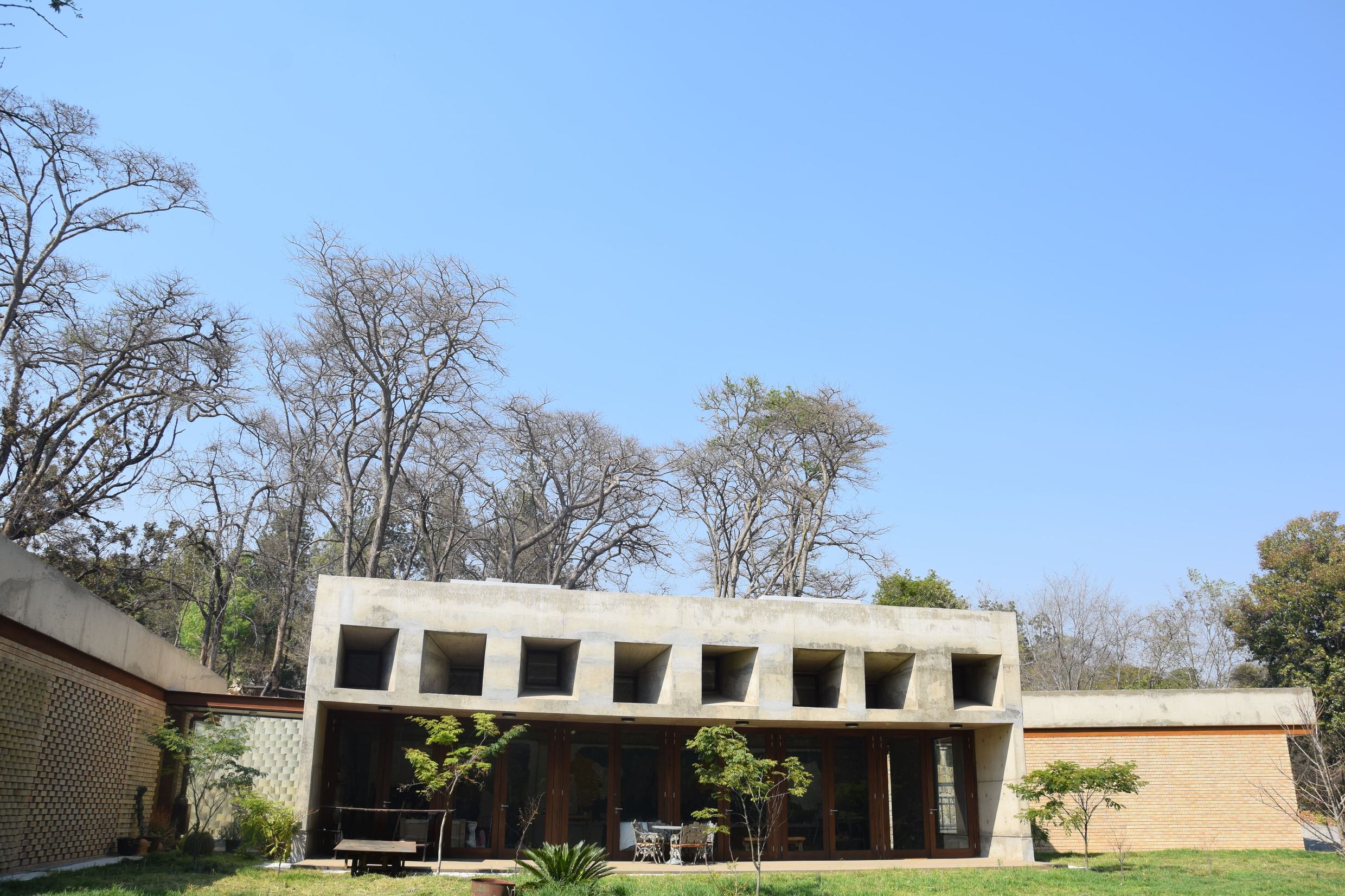
Zvavahera studied at the BAT Visual Art Studios at NGZ from 2003–2004 before completing a diploma in visual arts at Harare Polytechnic in 2006, going on to represent Zimbabwe at the 55th Venice Biennale in 2013 and win South Africa's Tollman Award and FNB Art Prize; she is now one of the country's most internationally collected painters, known for dream-derived, block-printed compositions. Gomo, trained at the same NGSVAD institution in the 1990s, works as a sculptor and assemblage artist whose practice centres on springstone, which he manipulates and brings into conversation with metal, copper sheets, wood, and found objects, producing work infused with ritual, fantasy, and dreamlike qualities that reveal the hidden and ignored voices of society. Gomo has been selected, alongside four other artists, to represent Zimbabwe at the 61st Venice Biennale in 2026 — a fitting pairing with Zvavahera as two generations of the same NGSVAD-to-Venice trajectory.