May Lyn Cruz
Conference Report. December 2025
Pre-Conference Activities for Getty Fellows
The pre-conference activity for Getty Fellows consisted of a welcome dinner on November 26th, and a walking tour of different contemporary art venues in Turin on November 27th. I appreciate these pre-conference activities very much because these provided the most opportunities to get to know my fellow travel grantees from different parts of the world. As a result, I felt more intimately connected to our cohort, in contrast to being an anonymous member of an group that is also anonymous to me.
I would also say that my networking opportunities came from this group the most, which I also appreciated since our commonalities as museum professionals from the Global South connect us more closely than others.
The pre-conference walking tour of different venues in Turin was a great introduction to the city of Turin and its contemporary arts scene. The activity, however, did feel quite packed, considering it started around 9:30 in the morning and lasted until evening (I was not able to join the last two stops due to exhaustion). Trimming down the number of site visits to make the activity a bit shorter would have been generally more beneficial and less tiring for the delegates, especially those coming from long haul flights.
Conference Program, Sessions, and Speakers
The 2025 CIMAM conference theme was “Expanding New Models of Museum Making.” This theme connected all the programs in the conference, which included keynote speeches, breakout sessions, and afternoon tours.
There were three keynote speakers in the conference, and I appreciated those delivered by Francoise Verges and Mariana Mazzucato the most. Francoise’s speech was very powerful for its direct, frank, and courageous declarations. Peace and justice aren’t just “themes” in contemporary art and museums. These are pressing issues, especially of our times, that we need to actively participate in defending and strengthening. On one hand, it feels like a tall order for the arts and museums, and on the other hand, it is a welcome opportunity to assert the museum’s concrete participation in our embattled society. As a museum professional and academic from the Philippines, a nation constantly reeling from the unending cycle of corruption, poverty, and climate change, Francoise’s speech, and challenge, was inspirational. I felt that there is so much that the museum and the arts can do, and it feels great and empowering to be reminded of this potential and responsibility.
I also appreciated the keynote speech of Mariana, who I felt woke everyone in the conference from the stupor of “peripherality” and “extraneousness.” We have to be confident of our space, role, and contribution to society, including asserting our important value in economic aspects. Ironic though likely true, this shift in appreciating the value of the arts must come from the arts sector itself. As someone from the Global South where funding for the arts is already at the minimum, and yet is still being continuously reduced, the points raised by Mariana were easily relatable.
The conference program also included breakout sessions which were very informative. These sessions actively engaged the attendees. I ended up in the group with the assigned topic on museum ethics, what it means to be human, to be together, and how museums can intervene and facilitate this. We extended the discussion to issues on inclusion, accessibility, tropes of community outreach, politics, and power relations.
Even without pre-planning the groupings for these sessions, a great variety of perspectives and contributions could be expected since the conference has a diverse, international profile. The breakout sessions were really informative, and I suggest that the organizers consider increasing the number of this type of sessions in the future conferences.
I found profound inspiration too from the Outstanding Museum Practices Awardees that were recognized during the conference. Challenges will always be part of museum operations, but the differences and urgencies of these challenges across museums worldwide never quite dawned on me until I learned of the museum awardees and their success stories. The three awardees this year concretized the conference them of “New Models of Museum Making.”
Acknowledgements
I would like to extend my appreciation the CIMAM organizers, trustees, and conference hosts. From our initial contact at the welcome dinner and welcome coffee, to the conference sessions and afternoon tours, I always felt well taken care of and warmly welcomed as a travel grantee. Thank you very much for this most valuable opportunity!
Biography
May Lyn Cruz is an Assistant Professor and Chairperson of the Department of Theory at the College of Fine Arts, University of the Philippines Diliman, where she teaches courses in Philippine art history and art education. She holds undergraduate degrees in Economics and Art History from the same university, and a Master’s degree in Arts Management from the State University of New York – University at Buffalo (SUNY Buffalo), where she studied under a Fulbright scholarship.
Her research interests lie in the intersecting fields of art history, art education, and museum studies. In addition to her academic role, she maintains a professional practice as a museum consultant and curator. She is a respected scholar on the Metropolitan Museum of Manila, one of the major art museums in the Philippines, and has curated numerous major exhibitions for the museum since the 1990s.
In the past two years, she has curated exhibitions drawn from the museum’s collection, which includes Philippine contemporary art as well as American and European modern and contemporary prints. She has several upcoming exhibitions based on the same collection, which aim to continuously highlight its relevance to current and critical discourses in museums, art, and society.
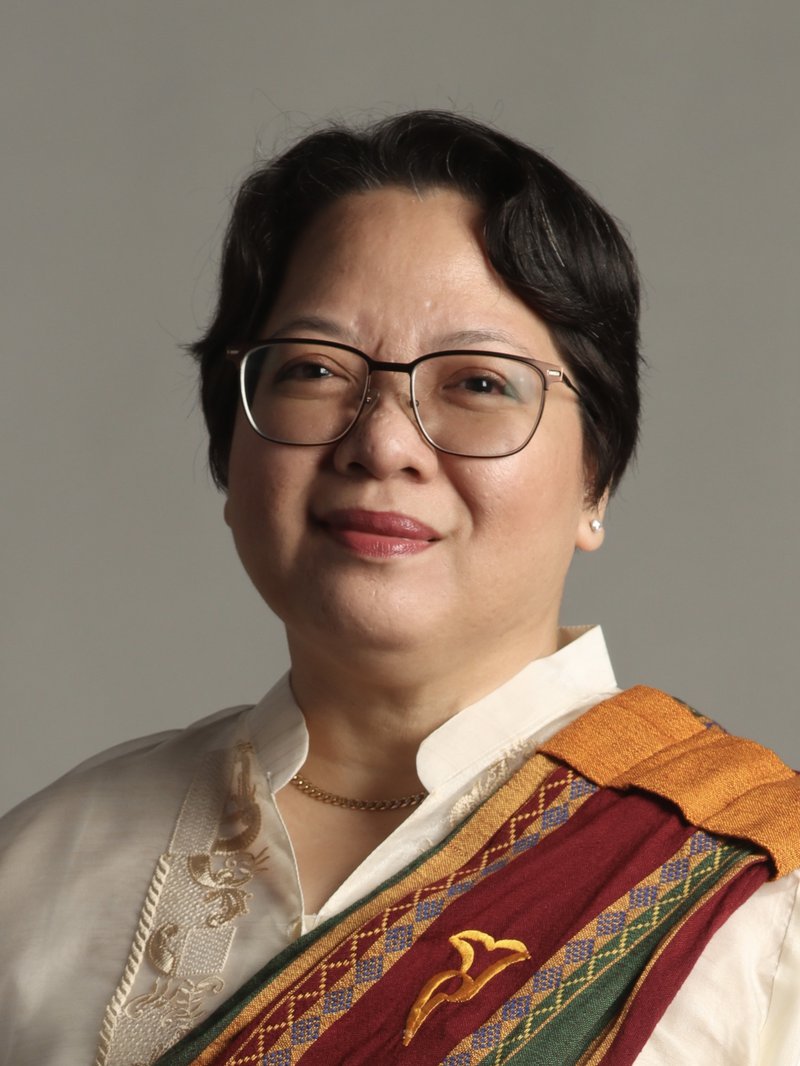
May Lyn Cruz, Professor at the University of the Philippines in Quezon City, Philippines, has been awarded by the Getty Foundation.