Raphael Chikukwa
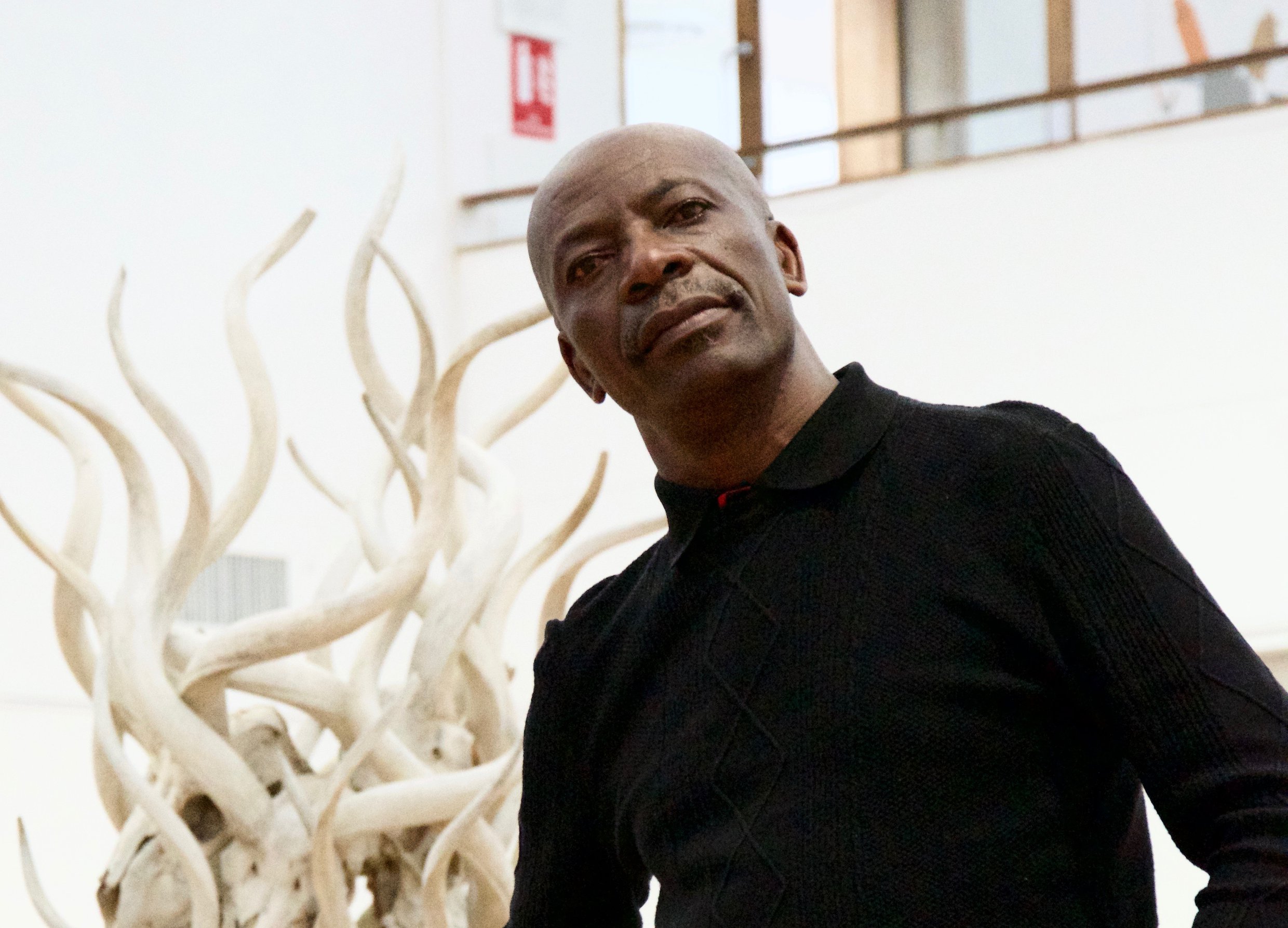
Academic and Professional Background
I have since curated the 1st, 2nd, 3rd, and 4th Zimbabwe Pavilion at the Venice Biennale. In the past five years, I have been running curatorial workshops in Zimbabwe, Namibia, Ethiopia, and Kenya. Founder of the 1st Zimbabwe International Curatorial Workshop in 2013. I also co-curated the Art at Work exhibition with Simon Njami at the National Gallery of Zimbabwe in 2012. My curatorial experience since 1999 to the present day is an added advantage. In the past six years, I have represented Zimbabwe in a number of art forums in Switzerland, France, Italy, Britain, Wales, South Africa, and Senegal. I am also a Museum of Modern Art (MoMA)/International Curatorial Institute Centre for Curatorial Leadership (CCL) 2021 Fellow. Conceived the idea of a National Gallery of Zimbabwe in the City of Victoria Falls, which will be the fourth branch of the gallery in Zimbabwe. 2022–2023 Arte Laguna Jury member.
Educational Background
- A Chevening Scholar award winner / MA Curating Contemporary Design at Kingston University, London, 2006–2007
- 1997 Postgraduate Certificate in Arts and Culture Management (Witwatersrand University, South Africa)
- 1986–1987 Diploma in Fine Art (Harare Art Centre, Zimbabwe)
Motivation statement explaining what encourages you to join the Board of CIMAM
Why join the CIMAM Board? Chikukwa is the right candidate for the CIMAM Board given his over ten years’ experience, working for the National Gallery of Zimbabwe as its curator and now its Executive Director and Chief Curator. Raphael Chikukwa could be a powerful candidate for the (International Committee for Museums and Collections of Modern Art) Board for several reasons. Here’s why Chikukwa feels he is a strong candidate for this international cultural organisation: He recently raised over half a million United States Dollars towards the refurbishment of the National Gallery of Zimbabwe head office in Harare. He is a visionary leader for the Zimbabwean art ecosystem, seen by his advocating of the Zimbabwe Pavilion at the Venice Biennale, and he has secured the funding and support for the National Gallery of Zimbabwe to be the host of the CIMAM 2026 Annual Conference, the first one in Africa in the history of CIMAM.
As the current Executive Director of the National Gallery of Zimbabwe, Chikukwa will bring a rich professional experience to the CIMAM Board. Raphael Chikukwa has a proven track record of leadership in the museum and cultural sector since the 1990s to the present. Over the past fifteen years at the National Gallery of Zimbabwe, first as its curator and now as its Executive Director and Chief Curator, Chikukwa has vast experience in curating exhibitions, managing collections, and overseeing the strategic direction of the National Gallery of Zimbabwe.
Explain how you see the role of CIMAM in advancing contemporary art museums globally
Chikukwa’s deep understanding of contemporary African art has come through his exposure to a number of high-profile exhibitions in and outside Africa. He has worked closely with African contemporary artists and is passionate about showcasing African narratives within the global art community. This expertise would be an added advantage to CIMAM’s discussions on how museums can address issues of representation, decolonization, and the inclusion of underrepresented voices to the CIMAM family. He is a living example; his ideas of taking Zimbabwe to the Venice Biennale since 2011 to date show pure dedication towards the representation of non-Western art at this Olympics of visual art.
Throughout his career, he has championed the inclusion of African art and artists on the global stage. He is deeply committed to making museums spaces that reflect the diverse voices of their communities and the world at large. As a member of the CIMAM Board, his advocacy for greater diversity in museum programming would be a significant asset in CIMAM’s mission to promote inclusive practices in modern and contemporary art museums. Chikukwa is not only limited to the African perspective; his global perspective will also impact local practice. He has worked both locally and internationally, giving him a unique perspective on the global art scene. His extensive international experience, alongside his understanding of African art and culture, means he would bring a balanced, inclusive, and culturally aware viewpoint to the Board.
How would you help CIMAM advocate for museums in areas such as funding, membership engagement, and strategic initiatives to achieve its mission?
As a curator and visionary leader, Chikukwa has shown a forward-thinking approach, emphasizing innovation in art curation and engaging diverse audiences. His leadership would be key in helping CIMAM adapt to emerging trends, including digital transformation, new ways of engaging previously disadvantaged audiences, old and new audiences, and integrating technology into museum practices. With his network across Africa and abroad, Chikukwa will play an important role in fundraising by bringing his network with him. This will expand into growing the membership drive beyond the African continent through his international projects, like the Zimbabwe Pavilion at the Venice Biennale, etc. Arguably, Africa has been a blind spot for CIMAM, and his involvement will allow CIMAM to break into a new territory. Given a number of African museum professionals, this will also bring diversity into the CIMAM Board. He understands the importance of sustainable and collaborative museum practices that prioritize long-term relationships with artists, institutions, and communities. His focus on sustainable development within museums aligns with CIMAM’s goals of advocating for best practices in modern and contemporary art museums.
If elected as a Board Member, what would be your main objectives or areas of action for the next three years for CIMAM to contribute to the sustainable development of the modern and contemporary art museum sector?
Expand the reach of CIMAM by tapping into the organisation’s blind spot, increase CIMAM awareness, work with other board members towards a sustainable way to develop the sector of modern and contemporary art. Lobby new patrons to support the work of CIMAM across the world. Chikukwa’s work has contributed to the development and recognition of African contemporary art, which is vital in the global conversation about diversity and representation in museums. An advocacy for sustainable and collaborative practice, Chikukwa’s projects that include Basket Case II, ICAC 2017 and 2021 are living testimony to his work. Chikukwa has consistently worked to create platforms for collaboration, not only within Zimbabwe but across Africa and globally.