Zeyrek Çinili Hamam Museum
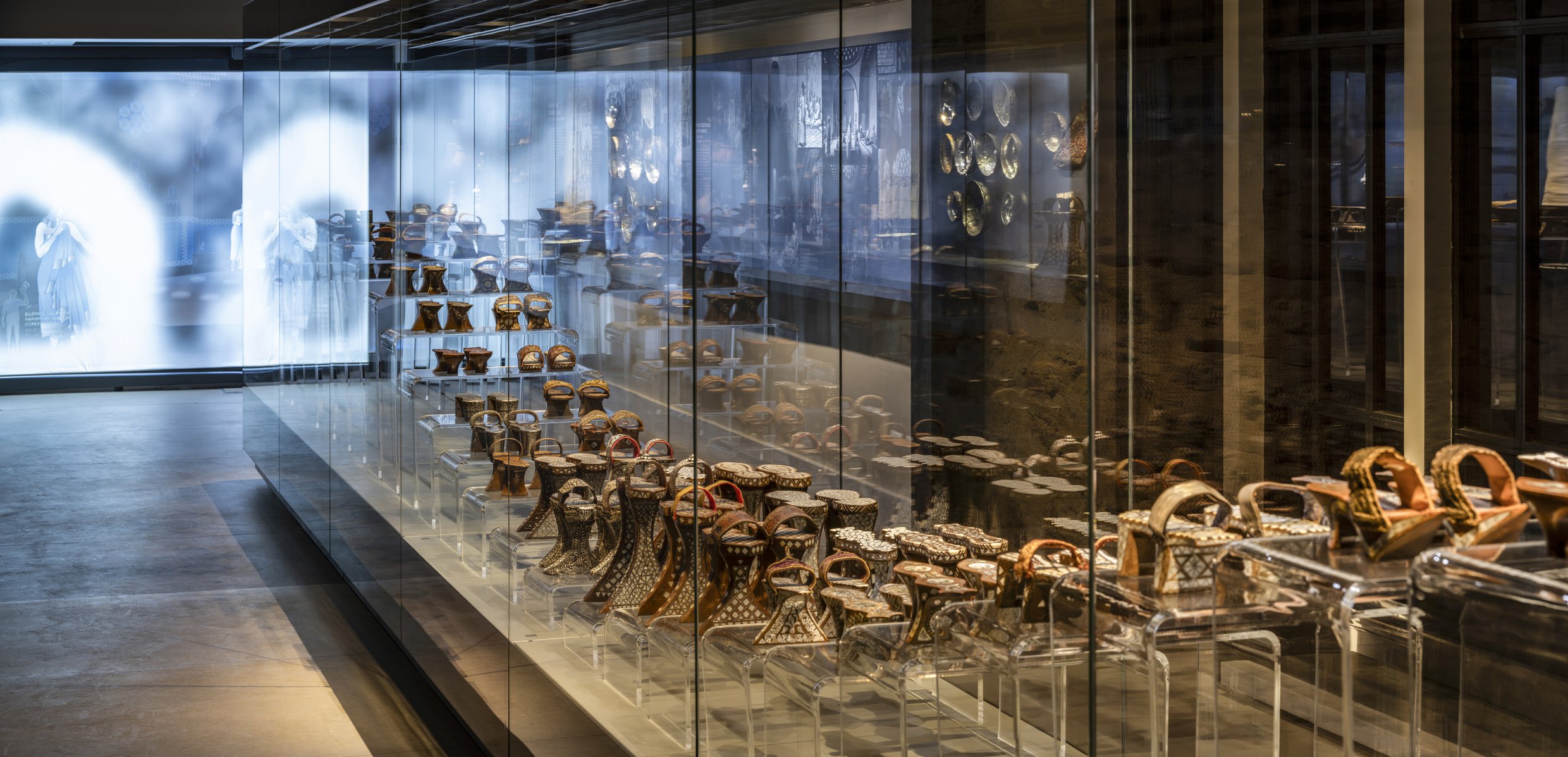
Excavations carried out during the restoration of Zeyrek Çinili Hamam have revealed thousands of tile fragments and archaeological artifacts, all surprising findings. Thus, was born the Zeyrek Çinili Hamam Museum, as a result of the desire to share the fifteen-century-old cultural heritage of the district together with the hammam. Featuring a contemporary design complementing the architecture of the hammam, artifacts and objects in the museum’s collection date back to the 5th century and can be traced step by step until the 20th century.
Istanbul, Turkey.
Name of the practice nominated: Roots and Routes: Exploring Our Neighborhood Heritage
Describe the practice, program, or project, what innovative approach is proposed, and in which core museum activities it applies:
As part of the educational programming at the Zeyrek Çinili Hamam Museum, we have developed a unique and socially responsive workshop model: for every paid children’s workshop we offer, we organize a corresponding free workshop for students from both public schools located in our immediate neighborhood. While the paid workshops are designed to be cost-covering rather than profit-generating, they help sustain a program that ensures equitable access to cultural learning experiences for all children in the area.
Zeyrek Çinili Hamam is a rare example of a historical bathhouse restored not only to its original function but also reimagined as a contemporary cultural institution. Following a 13-year restoration process, the site now functions both as a working hamam and as a museum featuring exhibitions, contemporary art, and a specialized library. Throughout this long period of restoration, local residents observed with curiosity how the space, so integral to the neighborhood’s memory, would transform.
This context makes our work with local children especially meaningful. Our workshops invite them to explore the site they’ve grown up around, fostering a personal connection with its layered histories. Each activity focuses on the architecture and culture of the hammam, the surrounding historic neighborhood, and nearby water heritage structures. Through storytelling, tactile exploration, hands-on model-making, and creative expression, children are encouraged to engage deeply with their tangible and intangible heritage.
The program aligns with several core museum functions: education, accessibility, and communication are central; and it promotes sustainability by cultivating a sense of ownership and cultural stewardship among the youngest members of our community.
Explain in one sentence why you think the project you nominate is outstanding and could serve as an example for the entire community of modern and contemporary art museums.
By uncovering and sharing new knowledge through the 13-year restoration of a historic site and designing heritage-based learning experiences specifically for local children, regardless of economic background, this project exemplifies how modern museums can activate cultural heritage sites to bridge conservation, education, and community engagement in inclusive and sustainable ways.
Explain why this practice or program is relevant and sustainable in creating meaningful and lasting connections with people, communities, and the museum context with a medium to long-term vision.
This program is rooted in the belief that cultural heritage becomes meaningful when it is actively shared with and shaped by the communities that surround it. By engaging local children, many of whom watched the 13-year transformation of the hammam with curiosity, as active participants in workshops centered on their own neighborhood and built environment, the museum fosters a strong, lasting sense of place, memory, and belonging. These free workshops not only increase accessibility, but also build trust and emotional connection between the museum and its immediate community. The approach is sustainable because it links content directly to the lived experiences of participants and treats heritage as a living, evolving practice. Over time, this model cultivates a generation that values and protects cultural heritage, ensuring that the museum remains relevant not just as a place of display, but as a vital, responsive space for civic and cultural engagement.
What are the outcomes of the practice you are most proud of?
One of the most meaningful outcomes has been witnessing how local children begin to see the Zeyrek Çinili Hamam not as a distant historical monument, but as a place they belong to. Through the workshops, they have come to view the site not as something inaccessible, but as part of their own story. We’ve seen children return with family members, act as informal guides, or proudly point out features they learned about. Teachers from neighborhood schools now reach out proactively to collaborate, and local families have expressed how special it is for their children to be welcomed in such an institution.
We are also proud of how this model balances respect for historical conservation with creative learning, and how it has opened a pathway for a heritage site to become a living, evolving part of daily life in the neighborhood.
How has the nominated practice changed your methods and ways of working?
This practice has fundamentally shifted our approach from traditional, content-driven programming to one that is more dialogic, community-responsive, and process-oriented. Designing workshops specifically for local children has required us to listen more actively, simplify language and make space for multiple forms of expression, including drawing, building, and storytelling. It has also changed how we define impact: rather than focusing on attendance numbers or visibility, we now prioritize depth of engagement and continuity of relationships.
The experience has shown us that educational programming can be a form of co-creation, where the museum becomes a space not just for transmitting knowledge, but for building connections. This shift has inspired a broader internal reflection on how we can apply similar principles of inclusivity and responsiveness to other areas of museum work, from exhibition design to communication strategies.