museu A CASA do Objeto Brasileiro
The A CASA do Objeto Brasileiro Museum is a reference space for craft knowledge, created to protect, disseminate and value its traditions and techniques, and which seeks to update them in the context of contemporaneity, making a constant dialog between the past, present and future of this knowledge.
Pinheiros, São Paulo, Brazil.
Name of the practice nominated: artesanía warao
Describe the practice, program, or project, what innovative approach is proposed, and in which core museum activities it applies:
Since its founding in May 1997, Museu A CASA do Objeto Brasileiro has been committed to valuing and promoting Brazilian artisanal production and design. In 2019, the museum partnered with the United Nations High Commissioner for Refugees (UNHCR) to develop a project with indigenous Warao refugees from Venezuela, living in Manaus (Amazonas), Boa Vista, and Pacaraima (Roraima).
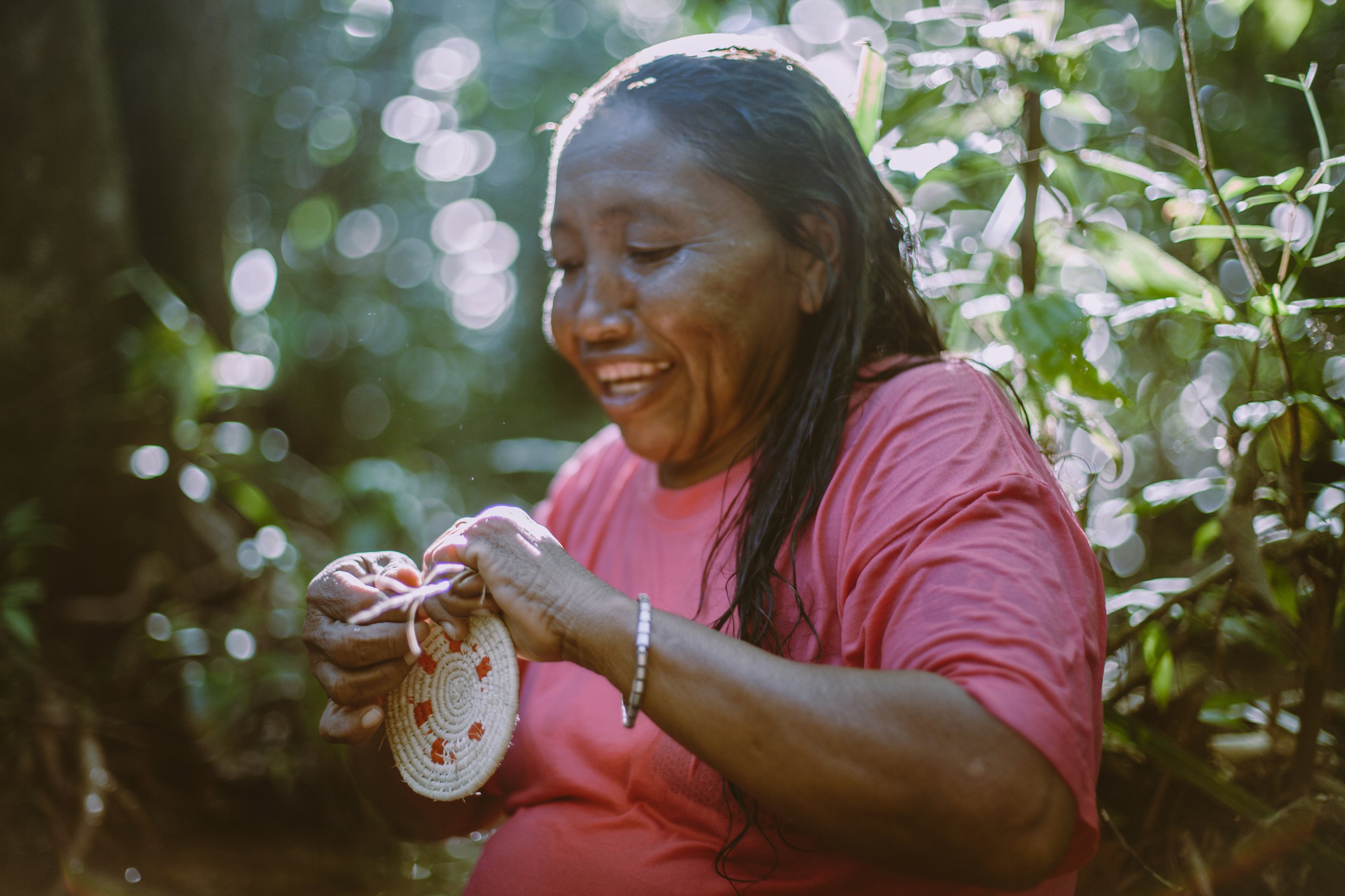
This project’s innovative approach centers on supporting cultural identity and sustainable income generation through traditional artisanal practices. The Warao people, an ethnic group established over eight thousand years ago in the Orinoco River delta, have ancestral expertise in working with the buriti palm, a plant they regard as a “mother” that provides essential materials for food, housing, and crafts. The museum works directly with Warao artisans, promoting the conservation of intangible cultural heritage by encouraging the practice and transmission of their traditional weaving and basketry techniques using natural buriti fibers.
The project includes educational workshops facilitated by the museum and designer Sérgio J. Matos, an expert in Amazonian fiber crafts, who collaborates with the artisans in a co-creative process to produce baskets and vessels. This collaborative method fosters mutual learning, empowering artisans and designers while respecting indigenous knowledge and craftsmanship.
The initiative integrates several core museum activities: conservation (preserving intangible cultural heritage), education (workshops and skill development), collection (documenting and valuing indigenous crafts), communication (raising awareness about indigenous culture), and sustainability (promoting environmentally responsible livelihoods and social inclusion). By combining traditional knowledge with contemporary design dialogue, the project reinforces the museum’s mission to nurture Brazilian cultural diversity while creating lasting, meaningful connections between communities and cultural heritage.
This innovative practice highlights the role museums can play in cultural preservation, social empowerment, and sustainable development.
Explain in one sentence why you think the project you nominate is outstanding and could serve as an example for the entire community of modern and contemporary art museums.
This project is outstanding because it successfully combines cultural preservation, social inclusion, and sustainable economic empowerment through a collaborative partnership between indigenous artisans and contemporary designers, serving as a powerful model for modern and contemporary art museums worldwide.
Explain why this practice or program is relevant and sustainable in creating meaningful and lasting connections with people, communities, and the museum context with a medium to long-term vision.
This practice is relevant and sustainable because it fosters deep, respectful relationships between the museum and indigenous communities by valuing and preserving ancestral knowledge and artisanal traditions. By engaging Warao refugees in co-creative workshops and production, the project promotes social inclusion and economic independence, addressing immediate needs while building long-term cultural resilience. The collaborative process empowers artisans by recognizing their skills and cultural identity, which strengthens community pride and continuity.
Moreover, by integrating traditional craft techniques with contemporary design, the museum creates ongoing dialogue and mutual learning, ensuring that these practices remain vibrant and adaptable. This approach supports sustainability not only environmentally—through use of natural materials like buriti palm fibers—but also socially and culturally, fostering enduring connections that benefit both the museum and the communities it serves for years to come.
What are the outcomes of the practice you are most proud of?
The outcomes we are most proud of include the successful preservation and revitalization of the Warao’s traditional artisanal techniques, particularly their weaving and basketry with buriti palm fibers. The project has empowered indigenous artisans by providing them with new opportunities for sustainable income while fostering cultural pride and identity.
Through collaborative workshops with designer Sérgio J. Matos, artisans have co-created unique pieces that blend ancestral knowledge with contemporary design, expanding their creative horizons and market reach. Additionally, the project has strengthened the museum’s role as a space for social inclusion and intercultural dialogue, deepening its connections with marginalized communities. The documentation and dissemination of this practice have raised broader awareness about indigenous culture and the importance of preserving intangible heritage.
Overall, the project demonstrates how museums can actively contribute to cultural sustainability and social empowerment.
How has the nominated practice changed your methods and ways of working?
The nominated practice has profoundly transformed our methods by emphasizing collaboration and co-creation with indigenous communities rather than a top-down approach. It has shifted our perspective to prioritize cultural sensitivity, active listening, and mutual respect in all stages of project development.
Working directly with Warao artisans encouraged us to integrate traditional knowledge and craftsmanship into contemporary design processes, enriching our curatorial and educational strategies. This approach fostered stronger community engagement and reinforced the museum’s commitment to social inclusion and sustainability.
Additionally, it inspired us to develop more participatory programs that support not only the preservation of tangible and intangible heritage but also economic empowerment. The experience has broadened our institutional vision to see the museum as a dynamic space of dialogue, learning, and cultural exchange, which continually adapts to the needs and voices of the communities we serve.
https://www.acasa.org.br/projetos-comunidade/projeto-artesan%C3%ADa-warao-(2019)