MUNCH
MUNCH is home to the world's largest collection of world-renowned Norwegian artist Edvard Munch (1863–1944).
Oslo, Norway.
Name of the practice nominated: SOLO OSLO
Describe the practice, program, or project, what innovative approach is proposed, and in which core museum activities it applies:
SOLO OSLO is a project that traverses the Exhibition and Learning departments at MUNCH. Starting in 2019, it is now in its fifth edition, and aims to support artist and mediators at the early stages of their careers. A jury composed of internal and external members selects an Oslo-based artist and a mediator (formidler) to spend a year developing parallel yet separate projects.
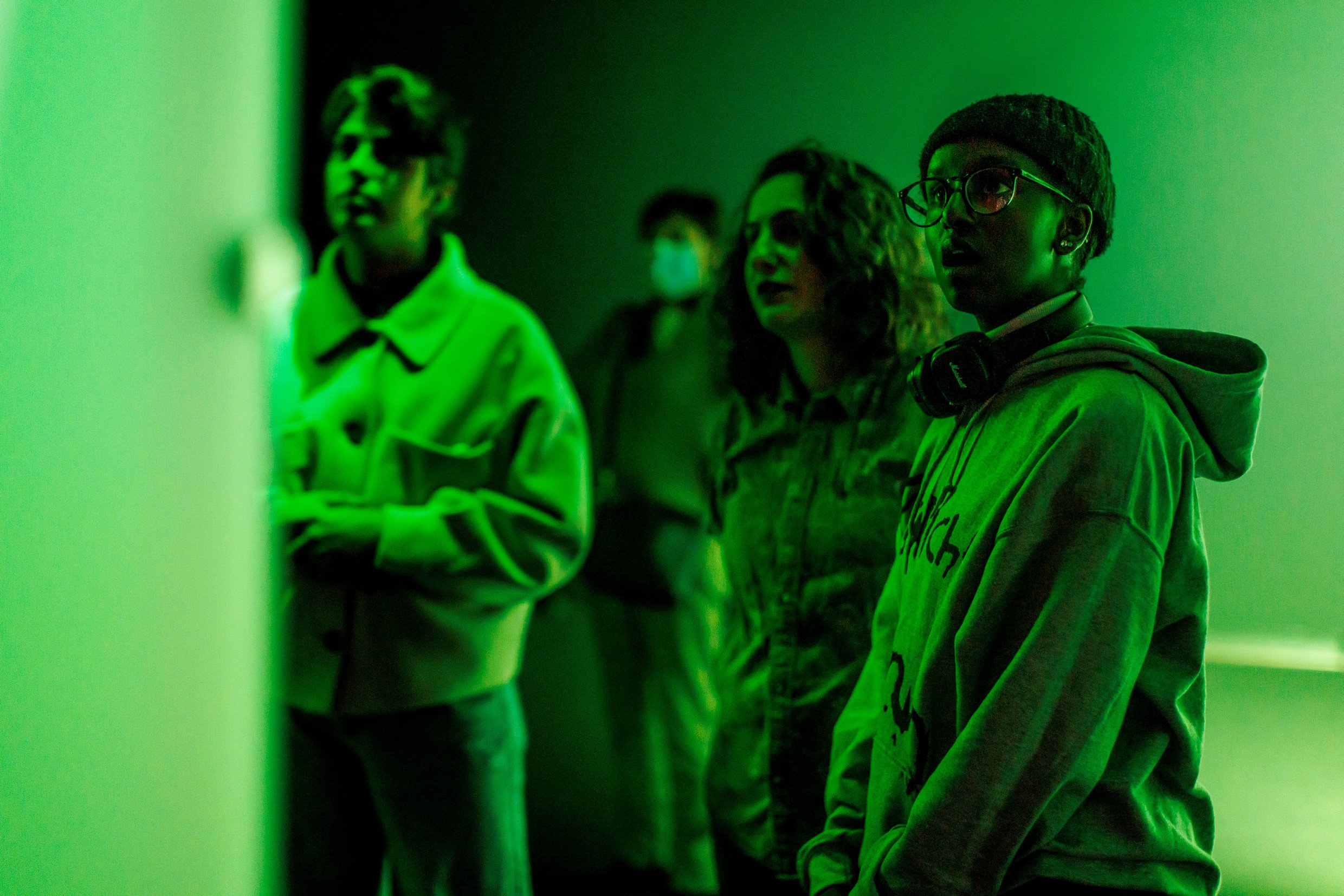
The artist creates a new installation for the characteristic 10th floor of the museum, in the kink of the building. The artists include Sandra Mujinga, Apichaya Wanthiang, Admir Batlak, Constance Tenvik and Kim Hankyul.
The mediator selects a group that is underrepresented among the museum’s visitors. Through long-term dialogue, the group and the mediator work out what the barriers to participation have been and seek to address them. These have included Zeenat Amiri Waaler’s work with members from Salam Norge, a group for LGBTQI+ Muslims; Frida Rusnak’s work with members of the youth branch of the Norwegian association for blind and visually impaired people (Norges Blindeforbunds Ungdom); Elisabeth Jørgensen’s work with members of Garmeres, the group for queer Sámi people; Ifrah Osman’s conversations around art in Urdu, Farsi and Somali; and Stephanie Serrano Sundby’s on-going work with neurodivergent young people (18–30).
Digital production and communication via social media have been invaluable for raising awareness of the projects, and both the artist and the mediator have their own short films. For example, Ifrah Osman’s film on dialogue with her Somali-speaking mother as the motivating factor around her mediation project on Recognising yourself in art, through language went viral.
The project is supported by Talent Norway and Canica. It is in its final year of financing, and external recognition of the project would be invaluable in securing its continuation.
Explain in one sentence why you think the project you nominate is outstanding and could serve as an example for the entire community of modern and contemporary art museums.
It is by engaging in long-term dialogue with different communities that we can understand their specific needs and shift the practices of the museum to meet them.
Explain why this practice or program is relevant and sustainable in creating meaningful and lasting connections with people, communities, and the museum context with a medium to long-term vision.
SOLO OSLO has several benefits: firstly, it gives the artists and mediators the opportunity to develop their practices, and is often the first time they work with a larger museum. Secondly, it benefits audiences and the communities the mediator decides to work with, which the museum seeks to maintain relationships with. Thirdly, it provides invaluable insights for the museum and in many cases is an eye-opener to barriers that we were not aware were operating for our audiences – and for the artists we work with.
The programme has also contributed to a change in personnel with Zeenat Amiri Waaler being employed in the Learning department on a permanent contract as a result of her work with SOLO OSLO, and Liisa-Rávná Finbog being employed in a permanent position as a curator and researcher with an emphasis on indigenous perspectives as a result of on-going indigenizing of a museum situated in Norway/Sápmi.
What are the outcomes of the practice you are most proud of?
The exhibitions have been great, but the main outcome I am most proud of, is the implementation of insights from SOLO OSLO in the museum in general. These include accessibility pages for exhibitions where key questions for visually or otherwise impaired visitors are addressed (from Frida Rusnak’s project); use of wall texts in Northern Sámi (from Elisabeth Jørgensen’s project); continued intersectional queer and BIPOC programming (from Zeenat Amiri Waaler’s project); and language training for front of house staff – including sign language (from both Ifrah Osman and Frida Rusnak).
It has also been rewarding to see how these mediators have implanted their learning in their own practices, and how SOLO OSLO has helped to further their careers. We are helping to develop incredibly thoughtful curatorial and educational practitioners for the future, and that feels rewarding, especially at a time when curatorial educational programmes are being shut down in Norway and elsewhere.
How has the nominated practice changed your methods and ways of working?
SOLO OSLO has strengthened ties between Exhibitions and Learning at MUNCH. It has brought to the fore the value of in-depth dialogue with a small group of people as a way of gaining insights that can benefit many more – over time. The method goes against the tendency of the museum sector to reach "as many as possible as quickly as possible". It is a necessary step towards audience development which is diverse and caring of communities that do not feel included in general marketing and mediation drives. It is a substantial investment that takes time to pay off.
SOLO OSLO has also changed how we work with artists, building trusting environments where our practices can shift to be even more attentive to the needs of practitioners in the early stages of their careers, often without the support structures that more established artists have.