Lönnström Art Museum
Lönnström Art Museum is a foundation established in 1987 in accordance with the will of honorary councillor Teresia Lönnström (1895–1986). Its purpose is to promote knowledge and appreciation of the visual arts and to support the visual arts in other ways. Since 2015 the Lönnström Art Museum has conducted contemporary art projects in close cooperation with commissioned artists. The foundation also operates the Teresia and Rafael Lönnström Home Museum and manages and augments the foundation’s art collection.
Name of the practice nominated: Lönnström Projects of Contemporary Art.
Describe the practice, program, or project, what innovative approach is proposed, and in which core museum activities it applies:
Lönnström Art Museum is a small, privately run museum in Rauma, on the west coast of Finland. In 2015, the museum made a significant change to its activities. The museum gave up its exhibition space and regularly changing exhibitions. It started funding major productions of contemporary art that may take place in any place and in any form. A new Lönnström project is selected every one to two years via an open call. Each selected artist is given sufficient time and budget to produce an ambitious and unique project.
A Lönnström Project can be a permanent work of art, or something evolving or ephemeral. The process itself or the community born in the process may be as important as the result. The long-term projects allow the creativity and drive for change inherent in artistic work to become visible many times and for many audiences.
So far, six projects have been completed, with the seventh coming up in autumn 2025. Lönnström Projects have brought to Rauma a huge number of perspectives on the essence of contemporary art and what can be communicated when encountering such works. Lönnström Projects have included, among others, a community park, a conceptual work with a time horizon of 1000 years, an experimental film and a public sculpture anchored in the sea. The aim is to support the work of artists, but also to create strong encounters between art, artists, and the inhabitants of Rauma. Audience engagement is central to the museum’s work. As there is no museum building for such activities, we have explored innovative ways to bring the projects and audiences together. Our bold, experimental and inclusive approach to public engagement has reached thousands of Rauma residents from infants to seniors to learn, experience and understand.
Explain in one sentence why you think the project you nominate is outstanding and could serve as an example for the entire community of modern and contemporary art museums.
By producing unique and unforgettable works of contemporary art into new environments and contexts, Lönnström Projects are open to all, creating authentic, direct and memorable encounters with art.
Explain why this practice or program is relevant and sustainable in creating meaningful and lasting connections with people, communities, and the museum context with a medium to long-term vision.
Rauma is far from the Finnish capital, where the country's major contemporary art events are concentrated. The purpose of the foundation running the Lönnström Art Museum is to support and promote the visual arts. The museum fulfils this mission by producing exceptional works of contemporary art in the city, connecting with the residents widely through the museum's outreach activities.
Each Lönnström Project is created in a new environment and context. Therefore, possibilities for mediation and engagement are assessed individually every time to ensure that the widest possible audience can interact with it. All age groups are taken into account and communities involved. In many of the works, a community is already involved in the process of their creation playing a central role in it.
Lönnström Art Museum’s mission is to further develop ways for audience engagement and participation when producing artworks that cannot be displayed in traditional museum spaces.
What are the outcomes of the practice you are most proud of?
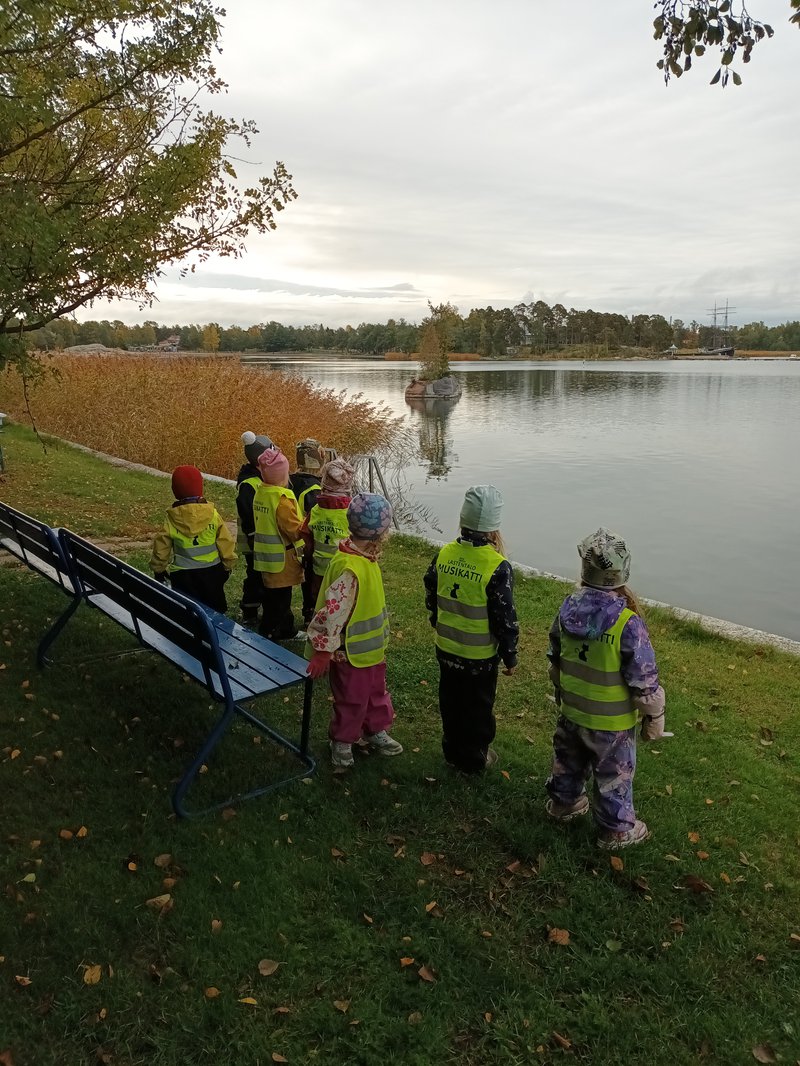
Our exceptional way of working with contemporary art in the museum field has required a new perspective towards audience engagement work. We are proud that our small team has dared to experiment with ways of communicating the museum’s art projects to audiences and that we have been successful in our experimental approach. To demonstrate, two delightful examples of our innovative public engagement: The 4th Lönnström project, Raimo Saarinen's Floating Island, is a sculpture located in the sea. Special guided tours have been organised, where the work was introduced to the participants when swimming around it. The 6th Lönnström project, Milja Viita's film Skönärit, deals with the history of seafaring. A realistic looking miniature portable sea container was crafted to travel around with our producer of audience engagement. The container is packed with workshop material related to the work and it has visited several schools and care homes.
How has the nominated practice changed your methods and ways of working?
Outreach is at the heart of what museums do. Most often it is done inside museum walls. Since the Lönnström Art Museum started to operate without any walls, ceilings or floors, it has had to look for new places, new ways of doing things and new opportunities for engagement.
Lönnström Projects have the potential to activate a wide range of audiences in a wide range of locations and moments. Audiences are at the heart of the museum's work, from the moment a project begins, right to its end and beyond. An encounter with a Lönnström Project can be momentary, even incidental, or long-term and engaging. The process leading to the final result can involve a large number of people. Our projects have provided countless opportunities to communicate contemporary art and its transformative power to diverse audiences. This work will continue to be developed at the museum.