La Nueva Fábrica
La Nueva Fábrica works to empower diverse communities through art. We are a non-profit contemporary art space committed to:
- Providing a platform for the advancement of the arts in Guatemala
- Supporting artistic experimentation, critical thinking, and social justice
- Respecting Guatemala's linguistic, cultural, and spiritual diversity by defending multiple systems of knowledge
- Catalyzing exchanges between local and international artistic communities
- Creating educational opportunities through art and visual culture
- Generating access to the arts for diverse communities
- Cultivating a space of empathy for all
We work toward these goals through exhibitions, public programs, education, residencies, and multidisciplinary workshops at our space in La Antigua Guatemala, and through partnerships with sister institutions internationally.
Name of the practice nominated: Healing Re-existence exhibition cycle (2024–2025)
Describe the practice, program, or project, what innovative approach is proposed, and in which core museum activities it applies:
La Nueva Fábrica’s Healing Re-existence exhibition cycle (2024–2025) reimagined museum practice by placing Indigenous knowledge systems, spiritual reciprocity, and communal care at the center of its curatorial framework. Marking 500 years since the Spanish invasion of Guatemala, the cycle refused to present colonial trauma as content. Instead, it created immersive, participatory environments—like Edgar Calel’s "Ru Raxal Qa Rayb’äl" and the collective exhibition "para curarnos el susto" (To Heal Our Fright)—that invited communities to lead processes of communal reflection and societal healing.
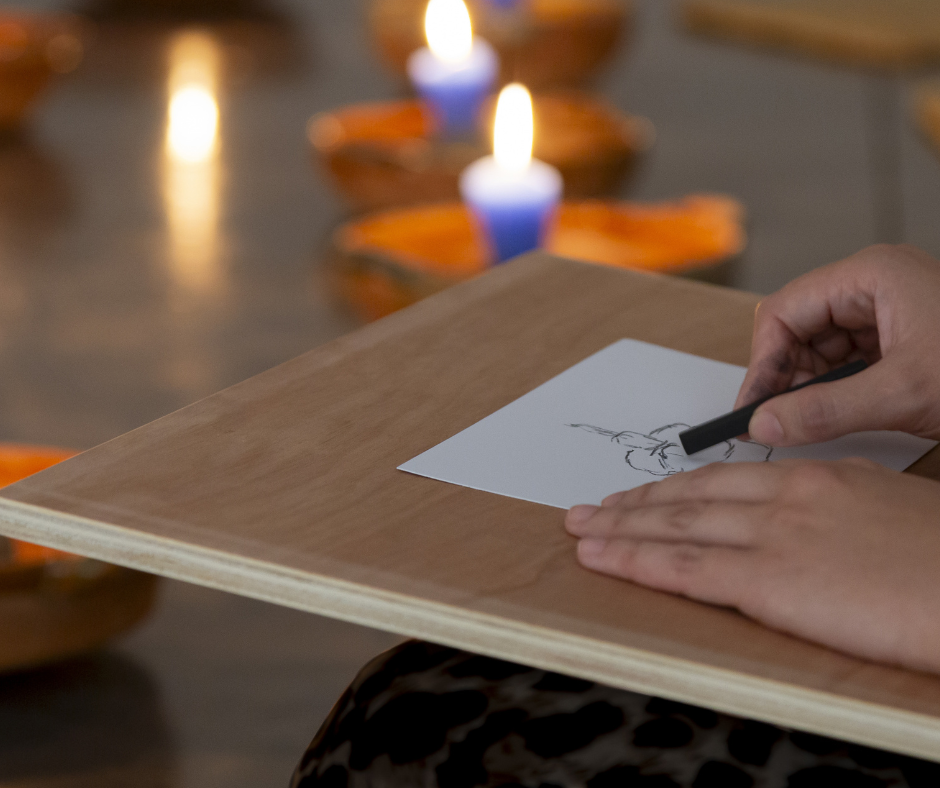
The initiative spanned exhibitions, education, accessibility, and governance through a cocreative, horizontal model. Artists co-curated free, multilingual programs: public rituals, workshops, and spiritual ceremonies rooted in regional traditions. Touch-based and sensory engagements—such as carrying stones, offering food, and drawing constellations—disrupted the visual dominance of traditional art spaces. These practices built an evolving archive of healing grounded in land, language, and lived experience.
Institutionally, the cycle reshaped LNF’s working methods. Governance operated through horizontal conversations and collective decisionmaking that centered Indigenous perspectives, feminist methodologies, and intergenerational dialogue. Sustainability—both material and conceptual—was built through non-extractive practices, local sourcing, and long-term commitments.
This was not a typical exhibition cycle; it was a shift in what a museum can be. It turned art spaces into sanctuaries for care, connection, and radical imagination—places where things that can’t happen elsewhere can happen. Acts of staying, grieving, healing, resisting, and re-existing were not only represented but made real. Inspired by Adolfo Albán Achinte’s concept of “resistance as reexistence,” the cycle moved beyond critique, offering visitors tools for renewal—practices they could experience, embody, and carry home.
Explain in one sentence why you think the project you nominate is outstanding and could serve as an example for the entire community of modern and contemporary art museums.
La Nueva Fábrica’s Healing Re-existence cycle models how a contemporary art museum can become a space for communal healing, spiritual reciprocity, and decolonial transformation, where art is not separate from life but stands in a continuum with it.
Explain why this practice or program is relevant and sustainable in creating meaningful and lasting connections with people, communities, and the museum context with a medium to long-term vision.
This practice is relevant because it confronts the ongoing legacies of colonialism not through symbolic gestures, but through embodied, community-led processes of healing. It is sustainable because it moves away from the traditional focus on the art object as sacred.
Instead, it centers the forms of knowledge, care, and spirituality that inhabit the exhibition space and are activated through reciprocal gestures—like offerings, rituals, and shared experiences among publics. These are not static displays; they are living practices. It doesn’t rely on spectacle or scale but on reciprocal relationships, local materials, and shared authorship. The model relies on trust, on locally grounded relationships, not imported authority.
By centering Indigenous knowledge and creating spaces for ritual, rest, and reflection, it offers a long-term vision of what ethical and epistemically engaged museology can look like. By embedding Indigenous frameworks and communal authorship into every aspect of its work, La Nueva Fábrica has tried to shift from showing art to hosting healing and transformation. The approach isn’t bound to a single exhibition and has reshaped internal operations and programming strategies, ensuring that LNF grows through dialogue, presence, and long-term engagement.
What are the outcomes of the practice you are most proud of?
We are most proud of transforming the museum from a site of display into a space of collective presence, care, and re-existence. "Para curarnos el susto" (To Heal Our Fright) brought together more than 20 Indigenous artists, collectives, healers, and land defenders to co-create a living archive of healing practices—many never before presented in an institutional context. "Ru Raxal Qa Rayb’äl" by Edgar Calel invited visitors into active spiritual and sensory engagement, where every gesture—carrying stones, offering fruit, lighting candles—was a portal to reflection and reciprocity. These were not exhibitions about healing; they were forms of healing. Public participation increased significantly, and many first-time visitors described the space as restorative, safe, and transformative. Most importantly, these projects strengthened long-term relationships with artists and communities, ensuring LNF continues to be shaped by those it serves.
How has the nominated practice changed your methods and ways of working?
This practice reshaped our institution at every level. We moved from a curatorial model of selection and interpretation to one of co-creation and mutual accountability. Artists are invited to work with us from the ground up—to shape not only what is shown, but how LNF functions. We restructured timelines to allow for slower, trustbased development. Public programming is no longer parallel to exhibitions but embedded within them. We redesigned our spaces to hold ceremony, silence, rest, and community. We created advisory mechanisms that center Indigenous and feminist perspectives. We stopped assuming art must speak through objects and instead embraced art as a space of shared knowledge, holistic sensorial practice, and spiritual and societal transformation. This shift has made us a more responsive, transparent, and ethically grounded institution—and opened LNF to new publics who had never before seen themselves reflected in its walls.