Kunstmuseum Luzern
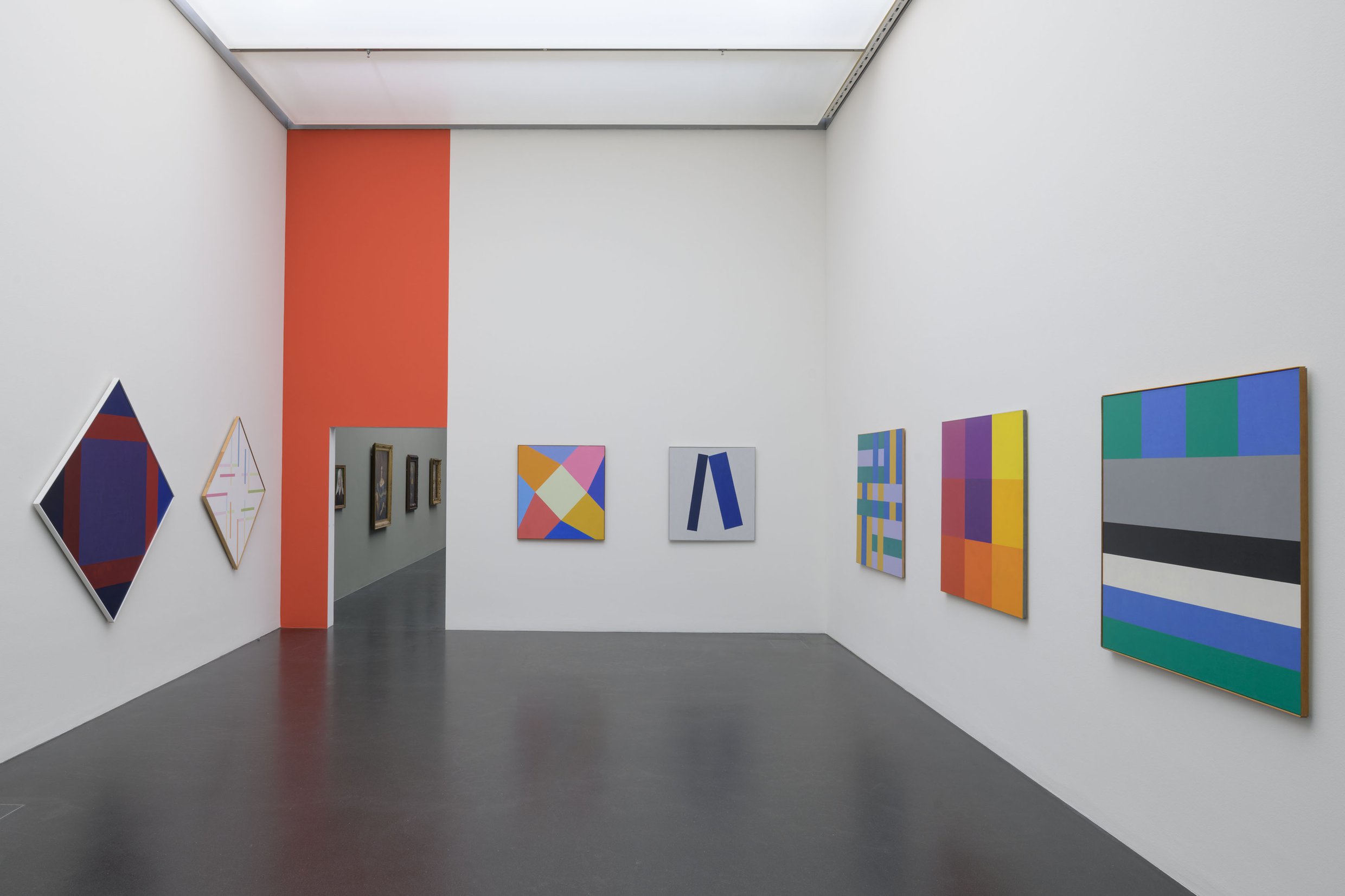
The Lucerne Museum of Art is one of the most important art museums in Switzerland. Interested in current social issues, open to the public, barrier-free and inclusive, the Kunstmuseum Luzern promotes diversity and exchange. For its around ten exhibitions a year, the Lucerne Museum of Art cultivates partnerships in Lucerne and throughout Europe. Dedicated temporary exhibitions of international scope, the annual presentation of the collection or the first solo exhibitions of emerging artists offer a varied program. Three exhibitions are on show at any one time. This enables discoveries beyond the familiar. The wealth of content is reflected in the rich, interesting and enjoyable program offered by the education team.
Luzern, Switzerland.
Name of the practice nominated: Unlearning Beauty
Describe the practice, program, or project, what innovative approach is proposed, and in which core museum activities it applies:
To stimulate, provoke, move, change: Artistic pedagogical practices and approaches contribute to specific social discourses. We understand exhibiting and mediating as an integrated practice and establish these in the Kunstmuseum Luzern. All participants can take part in the social discourse and thus create spaces for democratic negotiation processes. “Why is this art?”, “That's not beautiful, is it?”, “I can do that too!” Such reactions to contemporary art are part of our work. Even if productive conversations arise, we believe it is highly relevant, especially in Central Switzerland, to offer formats that negotiate “beauty” as a term. Art history offers plenty of material for questioning, deconstructing and transforming the concept of “beauty”. As part of the project “Unlearning Beauty”, we want to develop existing mediation formats but also involve visitor groups in a participatory way in the concrete offers and initiate new formats that will also be integrated into the program of the Kunstmuseum Luzern in the long term. Central questions include: Can traditional aesthetic concepts still claim validity at all? What influence do fashion and the media have on aesthetic preferences? What selfperceptions are effective when the body increasingly becomes the object of beauty standards today? What is beauty privilege? The following formats are about unlearning beauty and redefining aesthetic concepts on different levels.
Explain in one sentence why you think the project you nominate is outstanding and could serve as an example for the entire community of modern and contemporary art museums.
The project thrives on critical mediation practice, which understands exhibiting and mediating as integrative action, allowing structures, art history and social discourses to be questioned and relations to be made visible.
Explain why this practice or program is relevant and sustainable in creating meaningful and lasting connections with people, communities, and the museum context with a medium to long-term vision.
Participation builds connectivity and encourages sustainability. When people experience the feeling of being acknowledged and belonging, they experience museum spaces and exhibitions as places that have something to do with their personal lives. Through this project, we can get visitors fascinated by art and exhibitions in the long term but also promote critical and democratic thinking. At the same time, people come to the museum who are not otherwise part of our target groups. This allows us to expand the diversity of our visitors but also to respond to their input. The museum as a social space that shows relevant art but also makes room for social issues and discussions is a first step towards working with different communities in the long term. Curatorial practice is changing in the same way, becoming more visitor-oriented and incorporating their ideas into the process.
What are the outcomes of the practice you are most proud of?
In this project, we are collaborating with a vocational school whose students have never been to a museum before. To unlearn beauty together with the participants and to uncover the structures of beauty ideals, placing them in a social context is such an empowering tool. The artistic works and the museum spaces create a framework in which a lot is possible and shows how important it is to recognize mediating, exhibiting and collecting as an integrative practice.
How has the nominated practice changed your methods and ways of working?
Collaboration between departments has grown stronger and more productive. The museum now welcomes an increasingly diverse audience, many of whom regularly engage with the “Unlearning Beauty” formats.
For people with visual impairments, traditional beauty norms can be especially challenging. Exhibition rules often prohibit touching objects, so we aim to make select items accessible through touch or smell. Crucially, we plan to involve those affected in shaping this initiative.
Children, particularly toddlers, explore the world with all their senses. Their creative process is open-ended, not product focused. Making the museum more accessible to this age group is another project goal. This also requires a joint concept with experts to rethink how museum spaces are designed.
Official Website: https://www.kunstmuseumluzern.ch/ ausstellungen/schoen/