İşbank Museum of Painting-Sculpture
The first nucleus of the Türkiye İş Bankası Art Collection, one of the most comprehensive and richest private collections in Turkey, dates back to 1940. The first three works included in the Collection, Hikmet Onat's Landscape Ortaköy, Şevket Dağ's Inside the Rüstem Pasha Mosque and Hasan Vecih Bereketoğlu's Boats and Houses, were taken from the first State Painting and Sculpture Exhibition held in 1939. These paintings, which bear the signatures of three master artists of Turkish Painting, also define the selectivity of the first steps taken towards collecting.
Name of the practice nominated: İşbank Museum of Painting-Sculpture Learning Programs
Describe the practice, program, or project, what innovative approach is proposed, and in which core museum activities it applies:
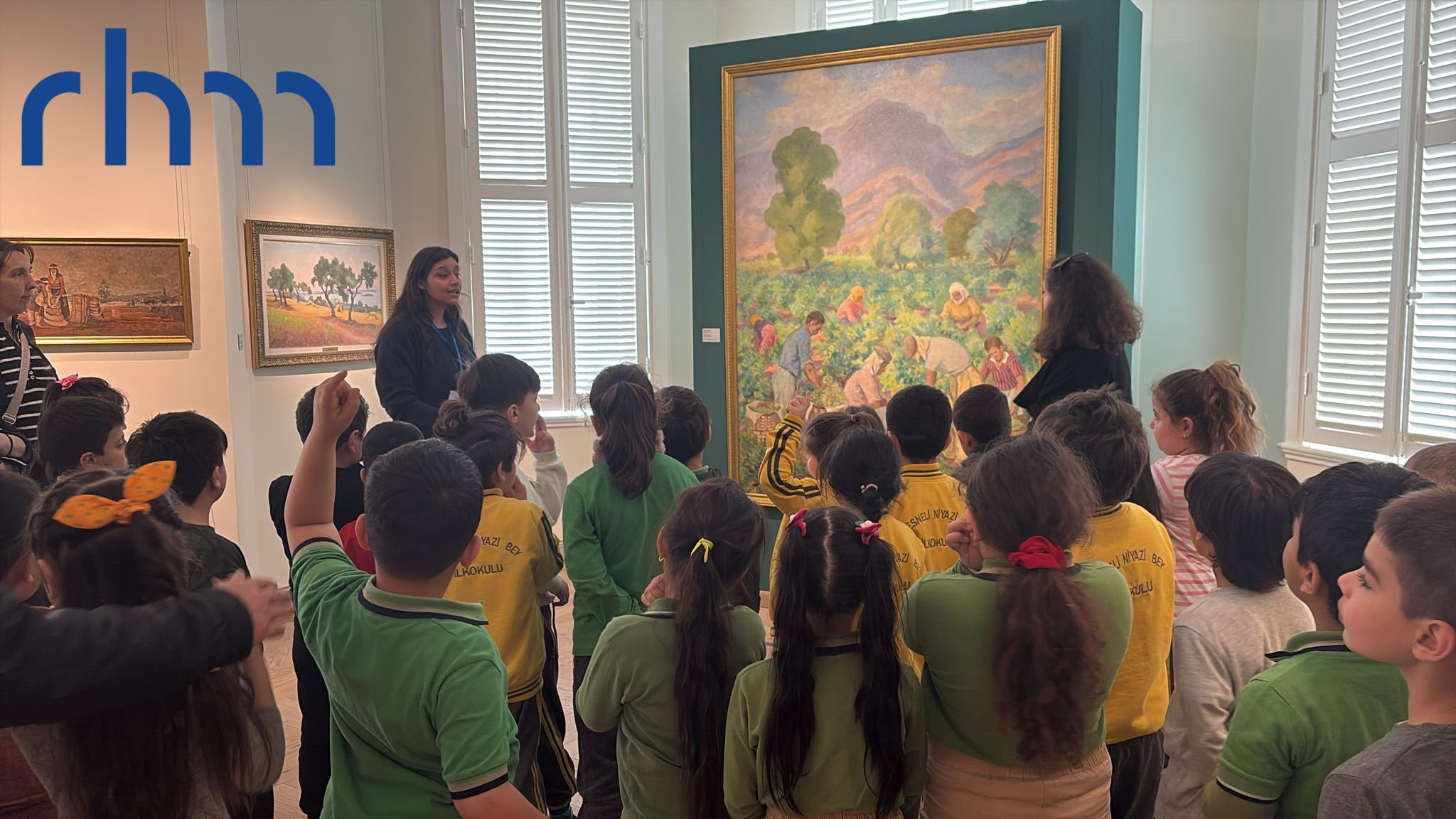
At the İşbank Museum of Painting and Sculpture, we see museums not only as custodians of cultural heritage but also as active spaces for learning, dialogue, creativity, and personal growth. With this in mind, we have launched an innovative series of learning programs that reimagine how museums engage with diverse communities—particularly children and students. To ensure full inclusivity, all workshops and learning programs are offered free of charge. Student groups visiting the museum also benefit from free admission, including accompanying teachers or parents. This removes financial barriers and ensures equitable access to art education.
Our workshops are developed and delivered both by in-house guides—trained in art history and child development—and by external professionals and institutions specializing in museum education. Since our opening in 2023, over 25,000 people have participated in our workshops and guided tours. Today, 1 in every 8 museum visitors benefits from these programs. We place special emphasis on creating meaningful engagement for children and families. In addition to participatory tours, hands-on workshops, and co-creation activities, we publish original children’s books and booklets inspired by our collection and exhibitions, which are distributed free of charge to students and young visitors. Created in collaboration with educators, art critics, and child development experts, these materials serve both as educational companions to the museum visit and as independent learning tools.
By blending in-gallery experiences with takehome publications, we offer young learners continued access to cultural content in familiar and joyful formats. These resources not only demystify art and history but also encourage intergenerational dialogue. Some titles have even been adopted into local school curricula and library programs.
This holistic model of access, learning, and publication contributes to multiple core museum functions: education, accessibility, communication, publication, and sustainability—and reflects our deep commitment to lifelong learning and cultural equity.
Explain in one sentence why you think the project you nominate is outstanding and could serve as an example for the entire community of modern and contemporary art museums.
This project stands out for its fully inclusive, barrier-free approach to museum learning—offering free, expert-led programs and original children’s publications that creatively and sustainably connect diverse young audiences with modern and contemporary art, both inside and beyond the museum space.
Explain why this practice or program is relevant and sustainable in creating meaningful and lasting connections with people, communities, and the museum context with a medium to long-term vision.
This practice is relevant and sustainable as it addresses a critical need for equitable access to cultural and educational resources, especially among children from diverse social backgrounds. By offering all workshops and learning programs completely free of charge—and waiving admission fees for student groups, teachers, and accompanying parents—the museum ensures that financial limitations never stand in the way of meaningful engagement with art. The inclusion of original children’s books and educational materials, developed in collaboration with experts, allows learning to continue beyond the museum walls and creates touchpoints that are integrated into everyday life, classrooms, and community spaces. This holistic, multi-format approach not only deepens the connection between participants and the museum’s collection but also nurtures long-term cultural curiosity and creativity. The museum’s commitment to inclusivity, educational quality, and long-term impact positions the program as a sustainable model for building lasting, community-rooted relationships in the museum context.
What are the outcomes of the practice you are most proud of?
We are most proud of the wide-reaching and transformative impact our programs have achieved in a relatively short time. Since our opening in 2023, over 25,000 participants—including students, teachers, and families—have taken part in our free workshops and tours, demonstrating the strong demand for inclusive and engaging cultural experiences. We take particular pride in the way our programs have reached children from diverse socioeconomic backgrounds, offering them equal opportunities to explore, create, and connect with art. Additionally, our children’s books—developed in collaboration with educators and art experts—have extended the museum experience beyond our physical space, finding their way into schools, libraries, and homes. These outcomes reflect not only strong attendance but also deep educational value and emotional resonance, helping to build a generation of culturally curious and confident young learners. For us, this lasting connection between the museum and its communities is the most meaningful achievement.
How has the nominated practice changed your methods and ways of working?
While our institution has a long-standing commitment to museum education, the nominated practice has deepened and expanded our methods by reinforcing a fully inclusive, audience-first approach. It has strengthened our belief that learning is not just a component of the museum experience, but a driving force behind meaningful public engagement. This perspective has led us to develop more interdisciplinary collaborations—bringing together our in-house team of art history and child development specialists with external experts in education and publishing. The integration of original children’s books into our programs has also encouraged us to think beyond the walls of the museum, embracing formats that allow continued learning at home, in classrooms, and in community settings. Rather than changing our direction, this practice has enriched our educational tradition—making it more accessible, participatory, and sustainable, while reaffirming our role as a museum dedicated to fostering lifelong connections with art and culture.
Official Website: https://issanat.com.tr/resim-heykel-muzesi/