Ajara Art Museum
The Museum of Art is one of the important centers of contemporary Georgian culture. The exhibits, kept in its foundations, create the solid collection, which gives a vivid idea of the main trends of XX century Georgian fine arts.
Name of the practice nominated: "Ceramics – Traditional Craft"
Describe the practice, program, or project, what innovative approach is proposed, and in which core museum activities it applies:
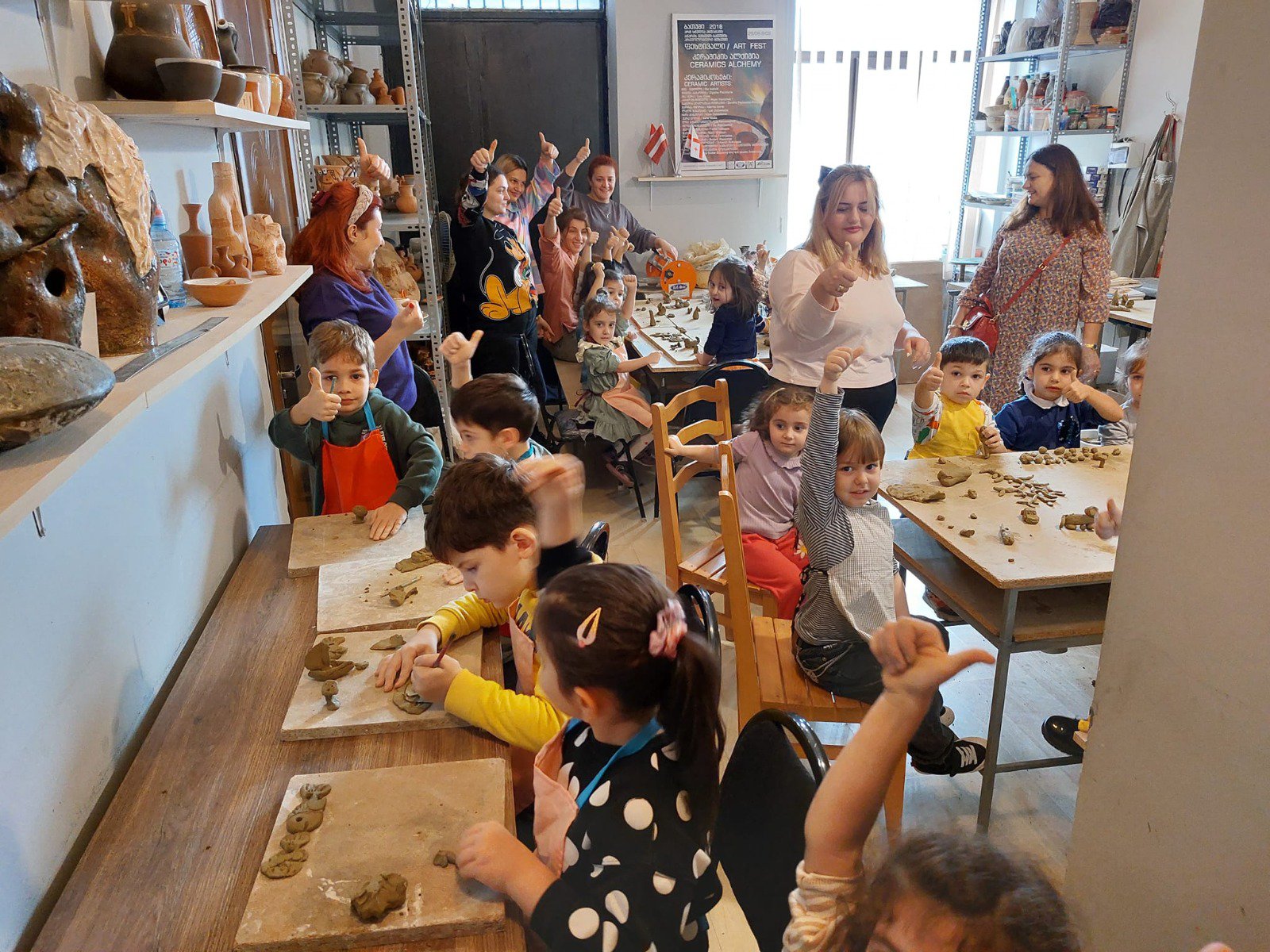
"Ceramics – Traditional Craft" is an inclusive project within the educational program of the Ajara Art Museum, aimed at reviving and preserving the traditional ceramic heritage of the region. The project fosters cultural selfawareness by sharing and practically transmitting ceramic techniques among children and adults from across Ajara, including residents of highmountain villages and people with disabilities. Participants learn skills such as clay processing, modeling, decorating, and firing. Their creations are showcased in exhibitions held at the museum, schools, and galleries, enhancing their engagement with museum activities. The museum’s indoor and outdoor spaces serve as vibrant living workshops and educational platforms, hosting master classes, open-air firings, interactive games, and thematic lectures.
These events bring the museum closer to the public and enliven its cultural atmosphere. This project is closely linked to the internationally recognized festival Alchemy of Ceramics, founded by Liana Kaspelashvili, with the Ajara Art Museum as a permanent institutional partner.
The museum hosts the festival’s final exhibitions and lectures, completing the educational cycle. In parallel, scientific and technological research on local clay is conducted in the mountainous village of Brili, Shuakhevi district, led by Liana Kaspelashvili and her team.
Innovative elements include:
- Research and hands-on training based on local clay resources;
- Inclusion of regional schools and specially adapted ceramic sessions for people with disabilities;
- Active involvement of youth in curating exhibitions and events;
- Strong ties to the international Alchemy of Ceramics festival, enhancing the museum’s educational and global profile.
Overall, the project integrates education, exhibition, research, accessibility, and public engagement, serving as a model for a living, inclusive, and sustainable museum.
Explain in one sentence why you think the project you nominate is outstanding and could serve as an example for the entire community of modern and contemporary art museums.
Ceramics is one of the oldest crafts of mankind, and working with clay is accompanied by the first steps towards civilization. For this reason, ceramics remains a naturally valuable material for humans — it combines art and functionality. In Ajara, this ancient tradition today needs to be re-interpreted, supported and developed so that future generations can not only preserve this heritage, but also transform it into an economically sustainable industry.
The project “Ceramics – Traditional Craft” with the involvement of the museum serves this longterm goal: it strengthens public identity, creates a close connection with cultural roots and transforms the museum into a living educational platform. The experience in this field of craft creates a deep, emotional and social connection with heritage — and the relationship with the museum remains not abstract, but a meaningful and constantly renewed practice.
What are the outcomes of the practice you are most proud of?
The museum proudly highlights the social changes that followed the successful integration of Liana Kaspelashvili’s educational program “Ceramics – Traditional Craft” with the “Alchemy of Ceramics” festival, of which the Ajara Museum is a permanent partner.
This collaboration initiated research on local clay in the mountainous village of Brili, Ajara, leading to its transformation into a cultural and tourist resource. Under Liana Kaspelashvili’s leadership, the “Brili-Art” ceramic workshop was established at the clay quarry, where research, educational, and creative activities are conducted with local children and visitors.
Today, cultural tourism is growing in Brili, with local clay serving as both an economic and identity-strengthening resource for the community. The museum regards this as one of the most valuable and lasting social outcomes of its educational project—demonstrating how the museum’s resources and cooperation genuinely improve community life, renew interest in traditional crafts, and help revive cultural heritage in today’s developmental context.
How has the nominated practice changed your methods and ways of working?
This project has completely changed our perspective and the meaning of our work. While we used to focus mainly on delivering educational material, our priority now is building relationships with people, creating social impact, and bringing culture to life in real spaces.
Our roles as educators, facilitators, and researchers have transformed through practical engagement: we have learned how to apply inclusive approaches, support the selfexpression of highland communities, and turn the museum into a vibrant, open space for all generations.
The project has taught us that art and traditional craftsmanship are not just about aesthetics—they can be powerful tools for empowering people, developing regions, and strengthening social identity.
Today, our work reminds us daily that we are dealing not only with objects (the past and history) but with people and their future.
Official website:https://ajaramuseums.ge/