"Alliances are fundamental to generating change"
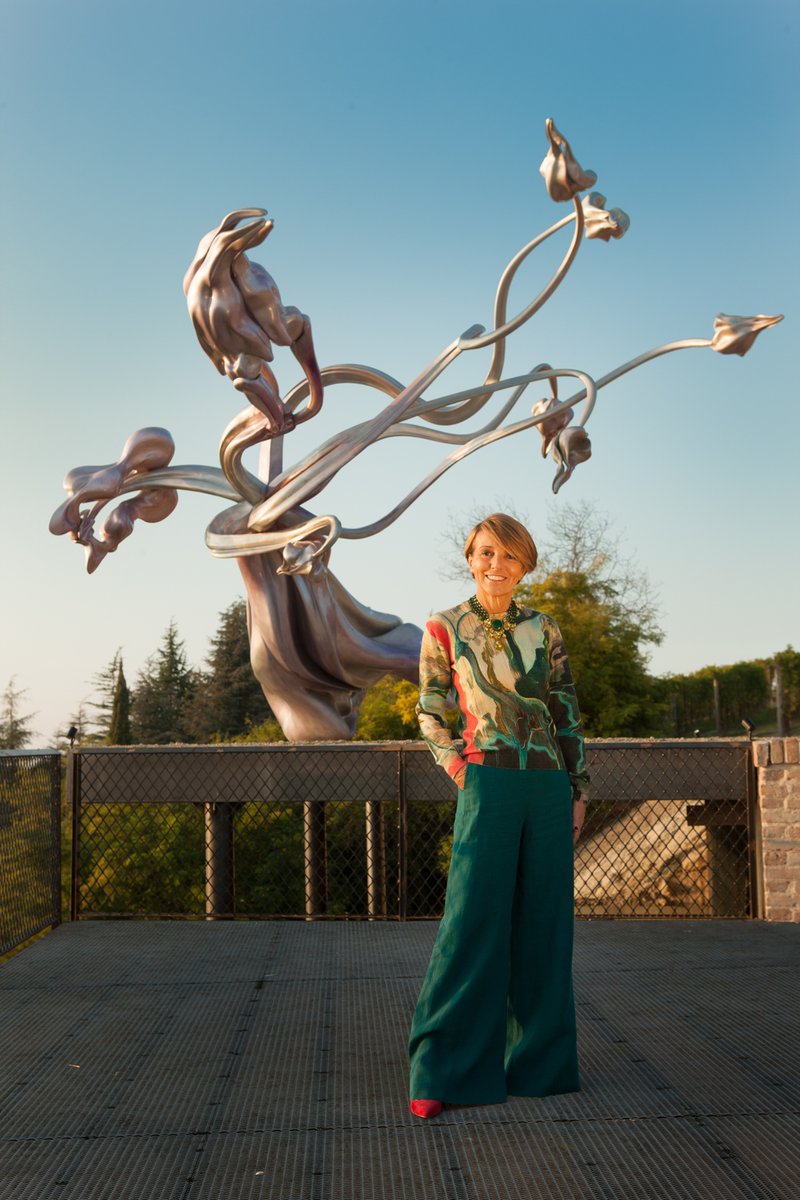
On the occasion of the 30th anniversary of the Fondazione Sandretto Re Rebaudengo and in recognition of her recent commitment to CIMAM as a Benefactor in 2025, CIMAM spoke with Patrizia Sandretto Re Rebaudengo about her long-standing support for contemporary art, her evolving relationship with the organization, and her experience as co-host of the upcoming CIMAM Annual Conference 2025, in Torino.
You joined CIMAM as an individual member in 2002, became a Major Patron in 2023, and a Benefactor in 2025. How has your relationship with CIMAM evolved over the years, and what has led you to support the organization's mission in such a committed and sustained manner?
CIMAM is a non-profit organization and an essential global observatory for contemporary culture. Its international outlook has always resonated with my own mission: to foster and support artistic practices across diverse geographies, and to build meaningful connections through dialogue and collaboration. Over the years, my relationship with CIMAM has evolved naturally, deepening as I have seen how closely its values align with those of the Fondazione Sandretto Re Rebaudengo. It has never been simply about patronage, but about standing behind an organization whose work I deeply believe in — promoting knowledge, exchange, and a shared commitment to cultural progress.
In today’s increasingly complex global context, I believe this openness and connectivity are more important than ever. With the upcoming Annual Conference Enduring Game: Expanding New Models of Museum Making taking place in Torino, we will have a valuable opportunity to reflect together on how museums can continue to respond, adapt, and lead.
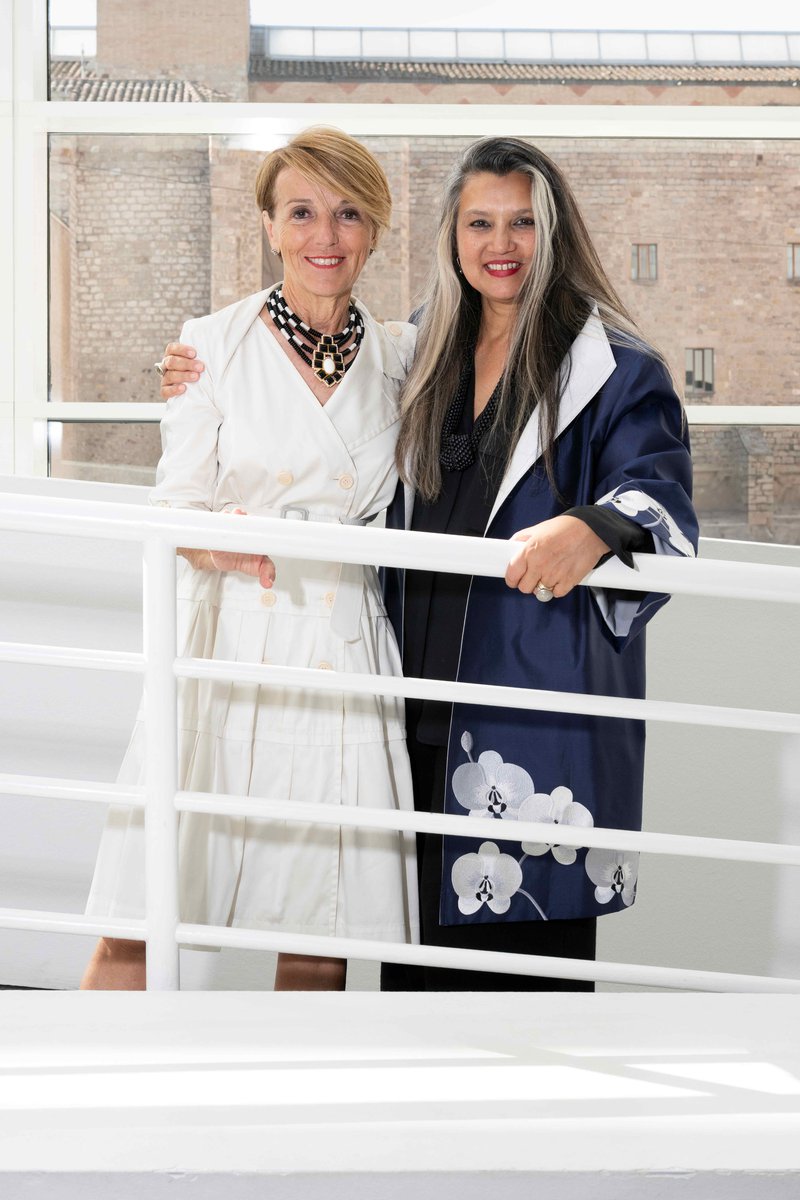
From your perspective as President of the Fondazione Sandretto Re Rebaudengo, how do you think CIMAM, and events like the Annual Conference, help promote critical thinking in today’s contemporary art world, and contribute to your work as an advocate and promoter of contemporary art, especially in terms of professional exchange, access to best practices, and the creation of international networks?
I consider the work of CIMAM — and in particular the central moment of the Annual Conference — essential for fostering and promoting critical thinking in contemporary art on a global scale.
These gatherings are not merely opportunities for exchange, but true laboratories of ideas, where the cultural, ethical, and institutional challenges faced by museums and contemporary curatorial practices are discussed, through reflection and a concrete engagement with the present-day context.
In a rapidly changing world, where political, social, and economic contexts deeply affect the production and reception of art, the spaces created by CIMAM are crucial for building a conscious and shared discourse.
For me, these exchanges are a valuable source of inspiration and ongoing learning. Attending the conferences, engaging in dialogue with colleagues from around the world, discovering new museum realities and experimental projects allows me to continuously enrich the vision and practice of my Fondazione.
Moreover, CIMAM facilitates access to best international practices, helping to raise professional standards and strengthen a network of solidarity and collaboration among institutions and practitioners.
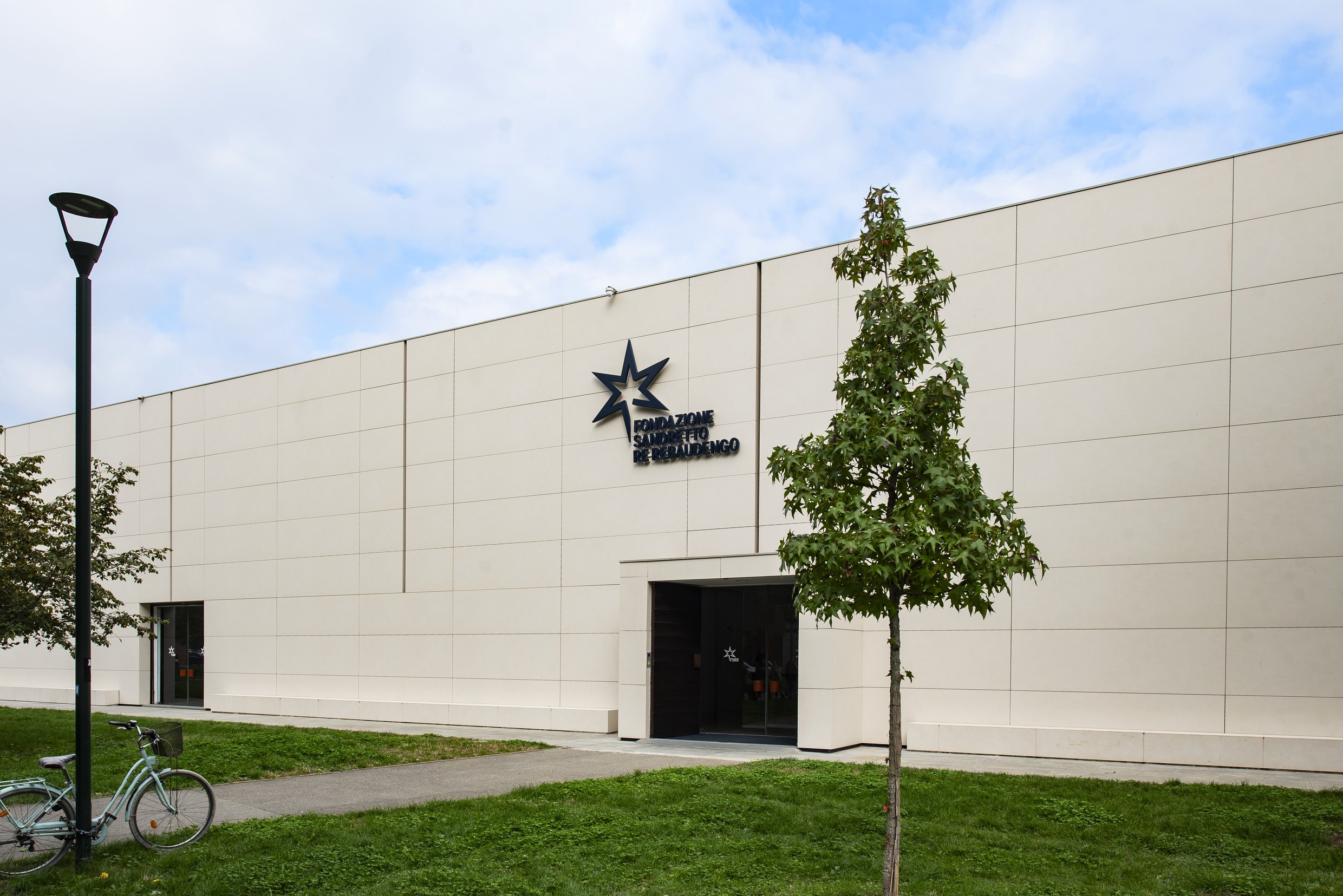
The Foundation celebrates its 30th anniversary this year. What are the main lessons you take from three decades of commitment to contemporary art?
This year we are celebrating with great emotion the 30th anniversary of the Fondazione Sandretto Re Rebaudengo — a milestone that offers us the opportunity to reflect on the journey so far and, at the same time, look to the future with renewed enthusiasm.
Over these thirty years, I have learned a great deal, but if I had to distill the key lessons, I would identify three.
The first is that listening is essential. Contemporary art is, by its nature, a mirror of the present: to truly understand and support it, one must know how to listen — to artists, curators, audiences, and to the signals coming from the world around us. Listening is also the approach that guides the Fondazione’s relationship with its public — the founding principle of our cultural mediation and the educational workshops developed by our Department for each exhibition, aimed at schools, families, and vulnerable individuals. These programs create spaces for dialogue and creativity for children, teenagers, teachers, adults, and the elderly. This approach has enabled us to be an open, dynamic platform, capable of anticipating urgent issues and establishing a meaningful dialogue with society.
The second lesson is the importance of education and support for new generations. From the very beginning, we believed in the educational value of art: in our public programs, in projects with schools, but also in the training of young curators. I believe that investing in the cultural growth of people is one of the most profound and enduring acts an institution can undertake.
The third is that collaboration is a tremendous force. No cultural project can exist in isolation: working within a network, engaging in dialogue with other institutions, with our local community and the wider world, has taught us that alliances are fundamental to generating change. This principle guides all our activities and continues to inspire us every day.
Thirty years on, the passion remains intact — as does the conviction that contemporary art is a powerful tool for imagining and shaping new visions of the world.
Creating spaces for dialogue between artists, curators, and audiences is also a key part of the Foundation's work. What role do you think these types of spaces play today in strengthening critical thinking and building an active cultural community?
I decided to establish the Fondazione Sandretto Re Rebaudengo driven by passion, inspiration, curiosity for the future, attentiveness to the present, and above all, a desire for sharing. I first approached art as a collector in 1992, but after just three years I realized that the personal and private dimension typical of collecting did not provide the ideal space to express what art truly means to me. I therefore felt the need to share my works, and I never envisioned the Fondazione as a home for my collection, but rather as a space to produce new works and new exhibitions.
We imagine the exhibition as an agora — a place to observe, to learn, to reflect, to discuss, and to train our ideas. The commissioning of new works and the support of artists’ careers and research represents, for me, the new spirit of contemporary patronage — a spirit I deeply believe in.
Creating spaces for dialogue between artists, curators, and the public has always been at the heart of the Fondazione’s mission. I strongly believe that these spaces — physical, intellectual, and emotional — are more necessary than ever to foster critical thinking and build an engaged and aware cultural community.
We live in a time marked by complexity, by environmental, social, and political crises, but also by extraordinary creative vitality. In this context, contemporary art cannot be confined to a self-referential dimension: it only makes sense if it sparks debate, raises questions, and challenges certainties. And for that to happen, a context that encourages encounter and exchange is essential.
At the Fondazione, we work to ensure that every exhibition, every curator residency, every educational initiative, and every training program becomes an opportunity to build authentic and horizontal dialogue: between those who create and those who observe, between those who study and those who experiment. This approach has allowed us to cultivate a curious and attentive audience, open to being challenged, while also offering artists and curators a space where ideas can evolve freely.
In this sense, these spaces become places where an active form of citizenship takes shape — one grounded in sensitivity, empathy, and critical awareness. I believe that today, cultural institutions have the responsibility to nurture these processes: not only for the sake of art, but for the sake of the whole society.
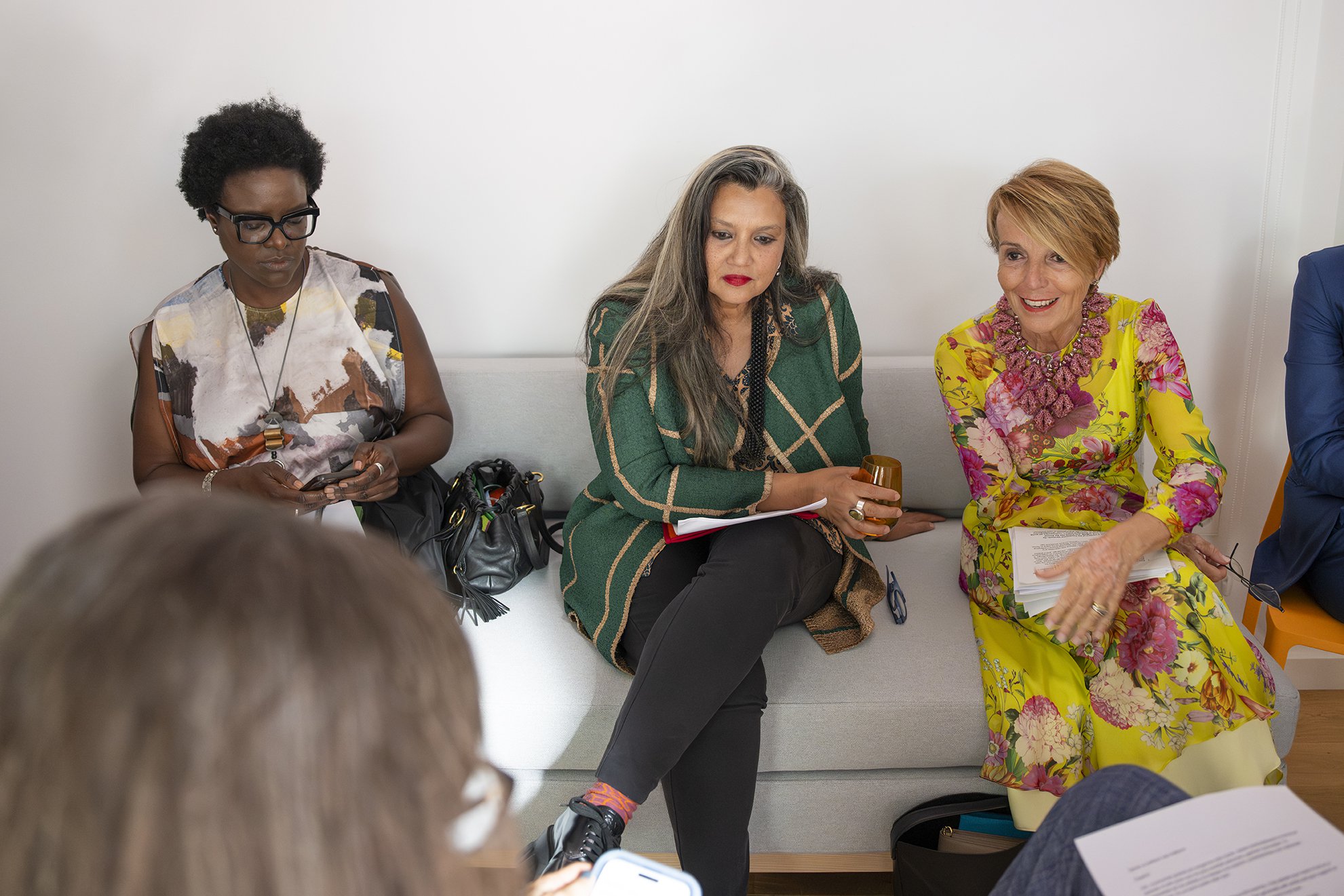
This year you’ll co-host the CIMAM Annual Conference in Turin, which will bring over 300 professionals to the city. What does it mean to host this gathering in Turin, both for you and for the city? What will visitors discover about its art scene, history, and energy? And what role does Turin play in the international art landscape today?
Hosting this year’s CIMAM Annual Conference in Torino is a great source of pride and joy for me, both personally and as President of the Fondazione. It is an important recognition for our city and an extraordinary opportunity to showcase to the world the richness, complexity, and energy of our artistic ecosystem. Torino has a remarkable history in relation to contemporary art: it was one of the first cities in Italy to embrace it, starting in the 1960s with Arte Povera, and has since grown into an international laboratory of experimentation and cultural production. The professionals who will attend the conference will discover a city where public institutions, private foundations, independent spaces, festivals, fairs, and residency programs coexist and operate in a highly coherent and collaborative network. Welcoming CIMAM to Torino also means reinforcing the city’s role as a bridge between the local context and global dynamics — a role Turin has long sought to cultivate. It is an opportunity to highlight the value of artistic and curatorial practices born here, which are in constant dialogue with the rest of the world. I believe the participants will be impressed not only by the quality and vibrancy of Torino’s cultural scene, but also by its welcoming spirit and vision. Today, Torino plays a key role on the international art stage precisely because it has succeeded in building a strong, curious, and open identity — a city where art is an integral part of the urban, social, and educational fabric. The conference will be a chance to share all of this, and I hope it will spark new connections and collaborations that will continue to grow well beyond the event itself.